Tumor-specific CD8+ T cells expressing interleukin-12 eradicate established cancers in lymphodepleted hosts
- PMID: 20647327
- PMCID: PMC2935308
- DOI: 10.1158/0008-5472.CAN-10-0735
Tumor-specific CD8+ T cells expressing interleukin-12 eradicate established cancers in lymphodepleted hosts
Abstract
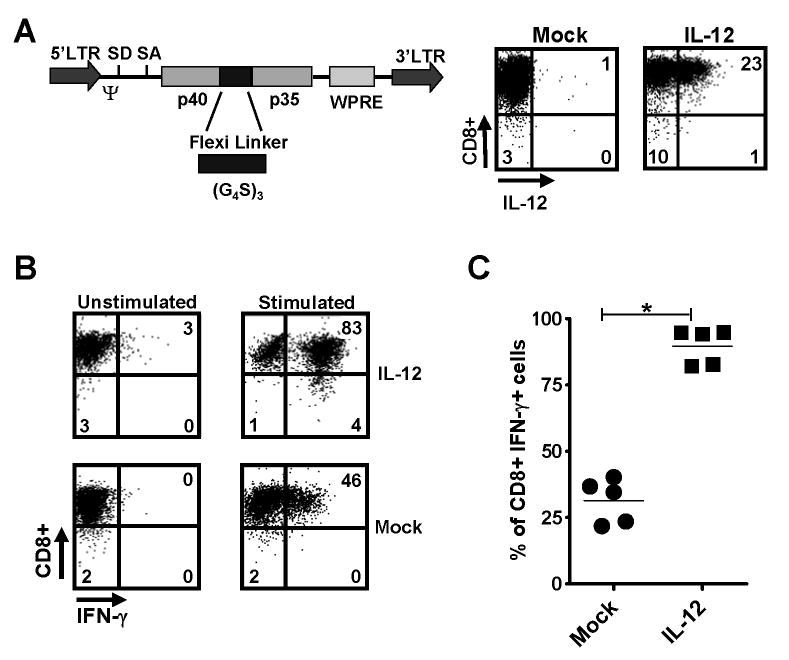
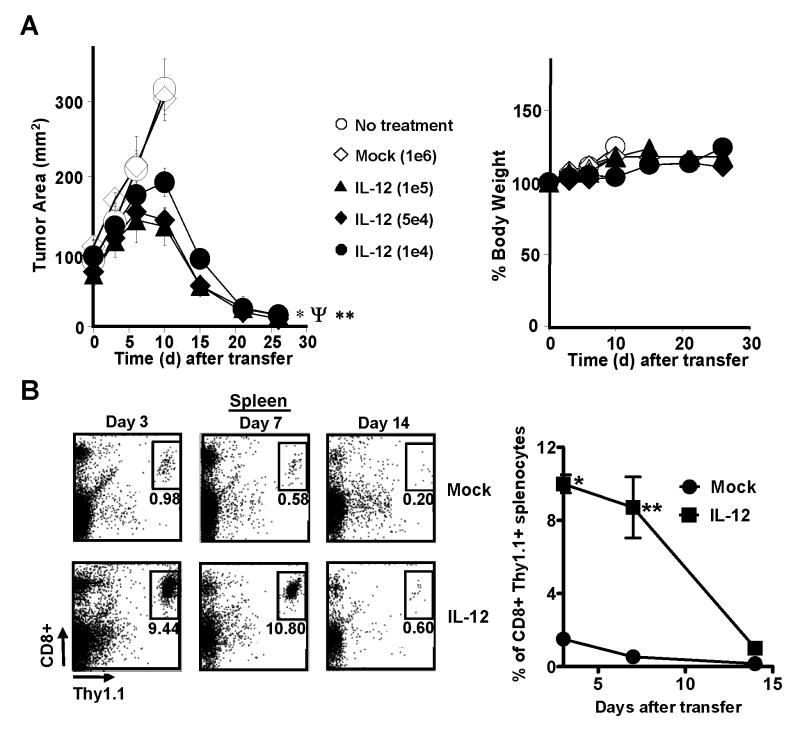
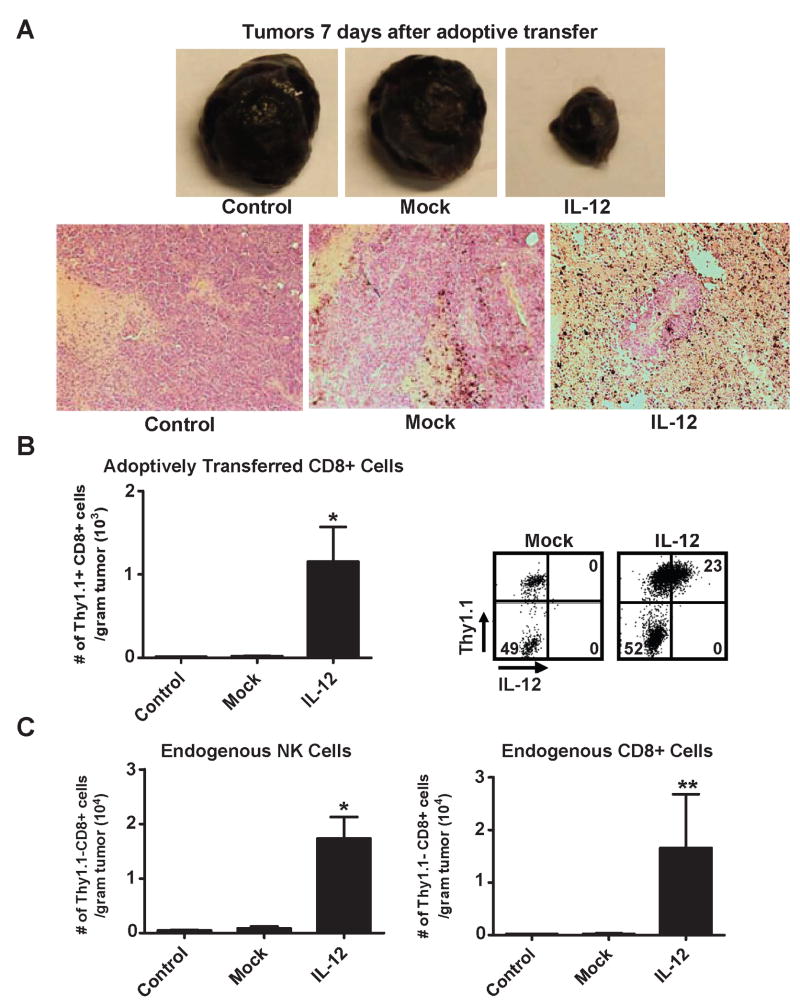
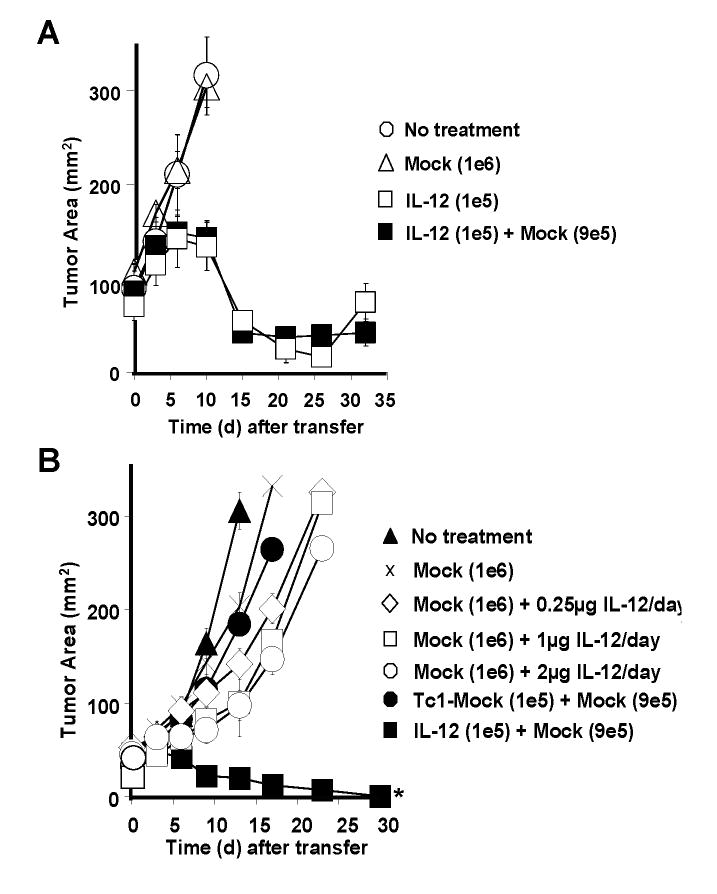
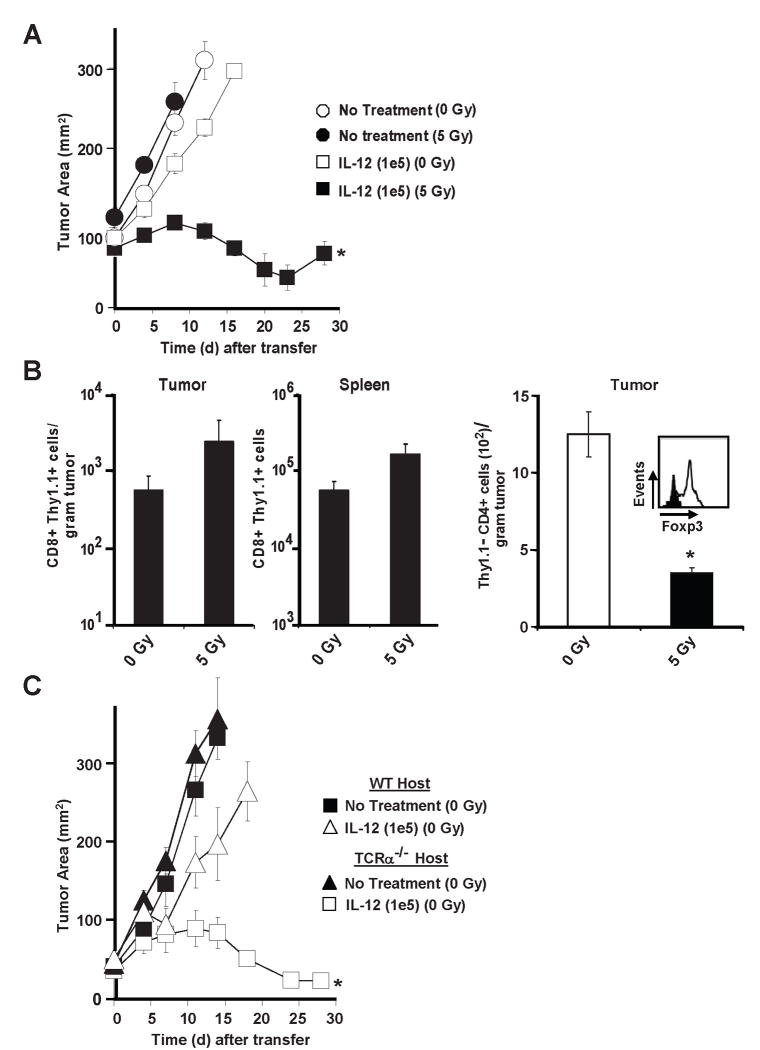
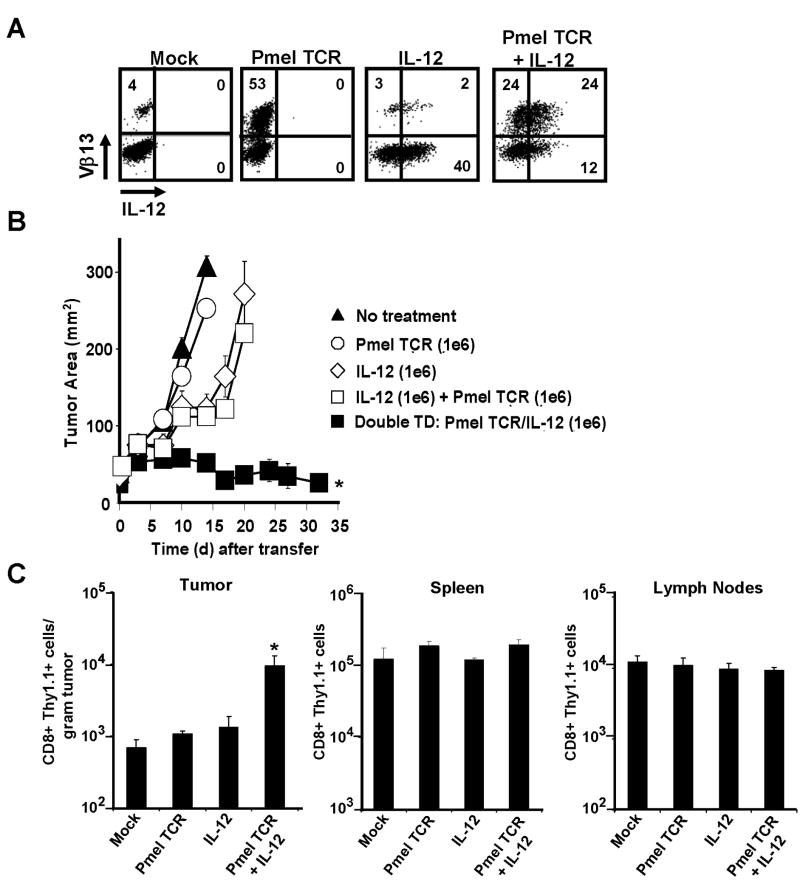
T-cell-based immunotherapies can be effective in the treatment of large vascularized tumors, but they rely on adoptive transfer of substantial numbers ( approximately 20 million) of tumor-specific T cells administered together with vaccination and high-dose interleukin (IL)-2. In this study, we report that approximately 10,000 T cells gene-engineered to express a single-chain IL-12 molecule can be therapeutically effective against established tumors in the absence of exogenous IL-2 and vaccine. Although IL-12-engineered cells did not perist long-term in hosts, they exhibited enhanced functionality and were detected in higher numbers intratumorally along with increased numbers of endogenous natural killer and CD8(+) T cells just before regression. Importantly, transferred T cells isolated from tumors stably overproduced supraphysiologic amounts of IL-12, and the therapeutic effect of IL-12 produced within the tumor microenvironment could not be mimicked with high doses of exogenously provided IL-12. Furthermore, antitumor effects could be recapitulated by engineering wild-type open-repertoire splenocytes to express both the single-chain IL-12 and a recombinant tumor-specific T-cell receptor (TCR), but only when individual cells expressed both the TCR and IL-12, indicating that arrested migration of T cells at the tumor site was required for their activities. Successful tumor eradication was dependent on a lymphodepleting preconditioning regimen that reduced the number of intratumoral CD4(+) Foxp3(+) T regulatory cells. Our findings reveal an approach to genetically modify T cells to reduce the cell number needed, eliminate the need for vaccines or systemic IL-2, and improve immunotherapy efficacy based on adoptive transfer of gene-engineered T cells.
Conflict of interest statement
The authors have no conflicting financial interests.
Figures
References
-
- Marigo I, Dolcetti L, Serafini P, Zanovello P, Bronte V. Tumor-induced tolerance and immune suppression by myeloid derived suppressor cells. Immunol Rev. 2008;222:162–79. - PubMed
-
- Hwu P, Du MX, Lapointe R, Do M, Taylor MW, Young HA. Indoleamine 2,3-dioxygenase production by human dendritic cells results in the inhibition of T cell proliferation. J Immunol. 2000;164(7):3596–9. - PubMed
Publication types
MeSH terms
Substances
Grants and funding
LinkOut - more resources
Full Text Sources
Other Literature Sources
Molecular Biology Databases
Research Materials