2-Phenyl-5-(pyrrolidin-1-yl)-1-(3,4,5-trimethoxybenzyl)-1H-benzimidazole, a benzimidazole derivative, inhibits growth of human prostate cancer cells by affecting tubulin and c-Jun N-terminal kinase
- PMID: 20649571
- PMCID: PMC2936840
- DOI: 10.1111/j.1476-5381.2010.00832.x
2-Phenyl-5-(pyrrolidin-1-yl)-1-(3,4,5-trimethoxybenzyl)-1H-benzimidazole, a benzimidazole derivative, inhibits growth of human prostate cancer cells by affecting tubulin and c-Jun N-terminal kinase
Abstract
Background and purpose: The c-Jun N-terminal kinase (JNK) and tubulin are, frequently, targets for developing anti-cancer drugs. A major obstacle to successful development is P-glycoprotein (P-gp)-mediated resistance. Here, we have assessed a compound that inhibited growth of cancer cells, for effects on JNK and tubulin and as a substrate for P-gp.
Experimental approach: Several pharmacological and biochemical assays were used to characterize signalling pathways of 2-phenyl-5-(pyrrolidin-1-yl)-1-(3,4,5-trimethoxybenzyl)-1H-benzimidazole (PPTMB), a benzimidazole analogue, in prostate cancer cells.
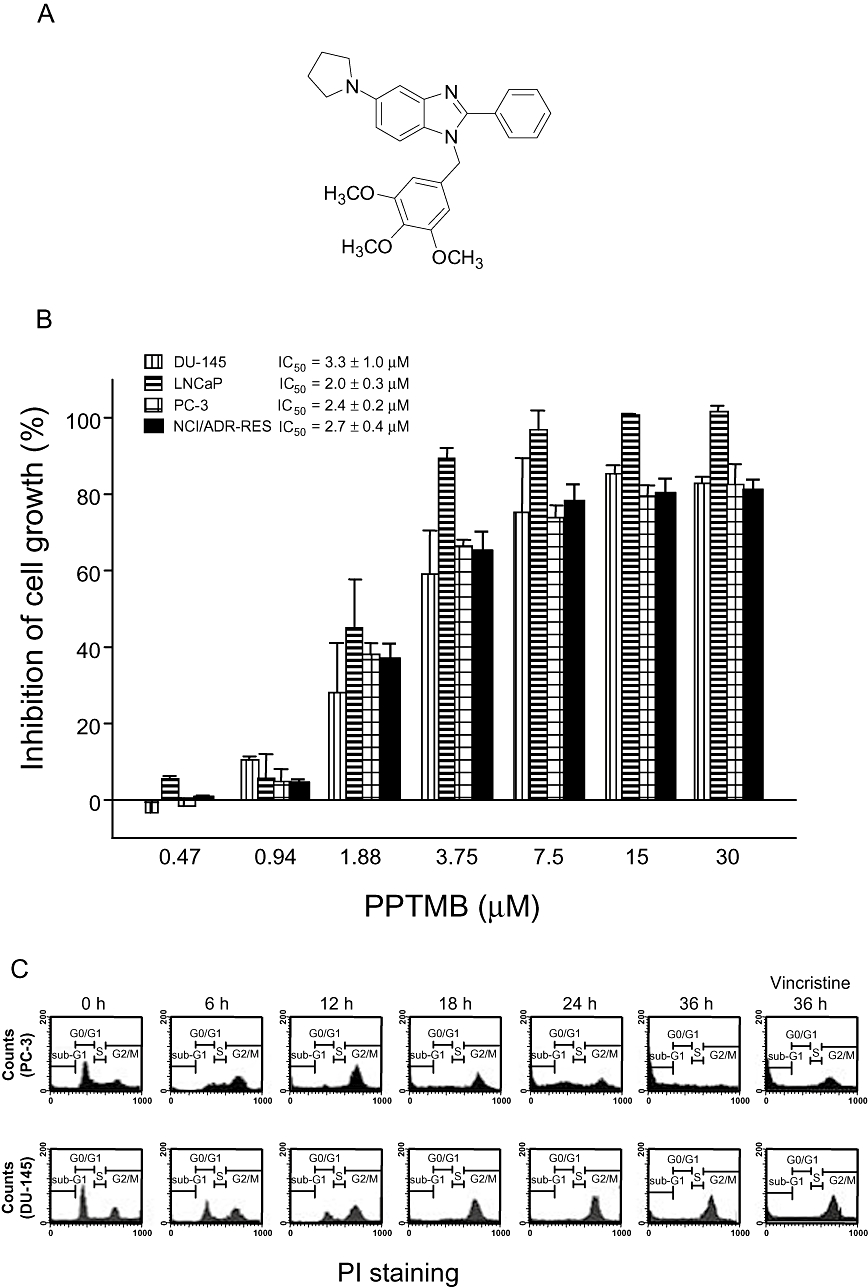
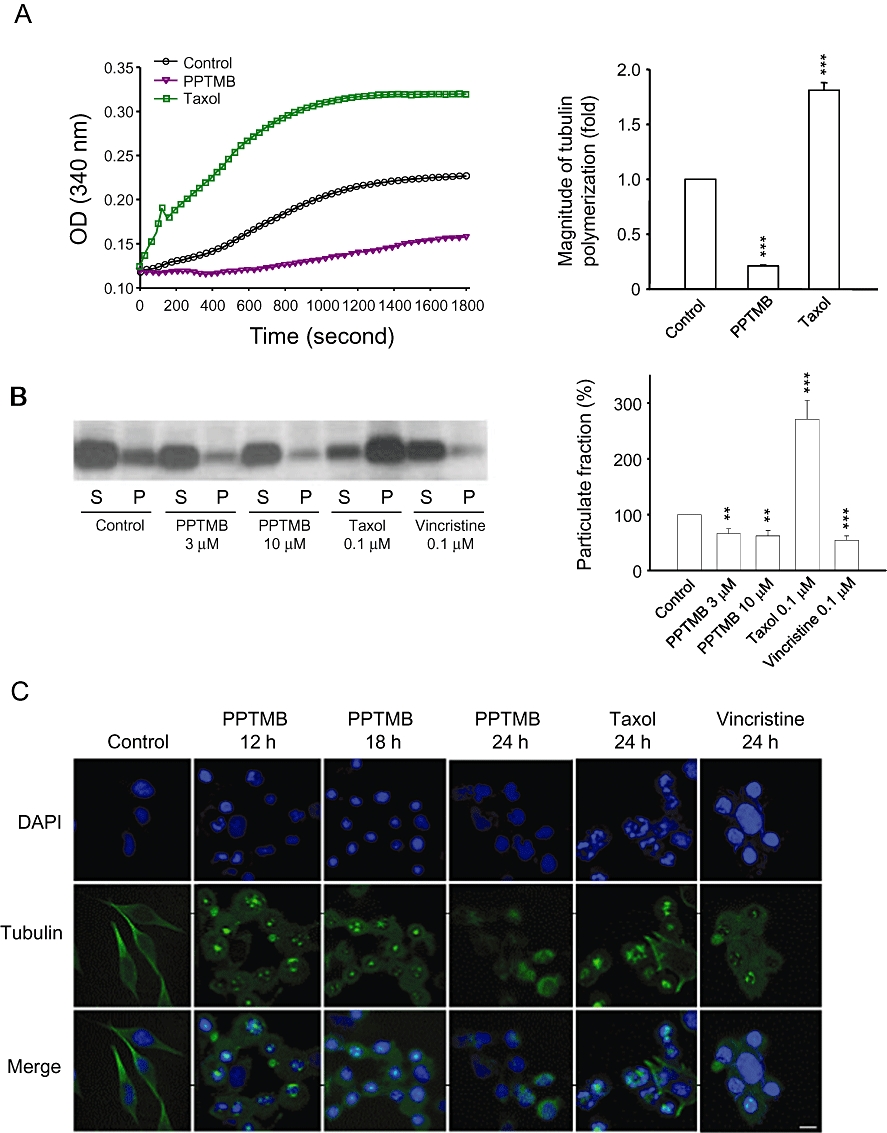
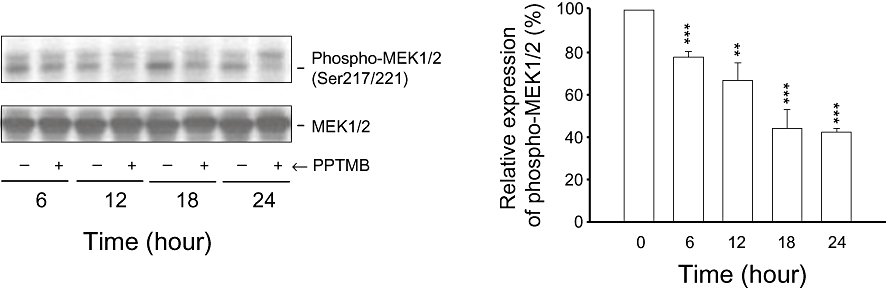
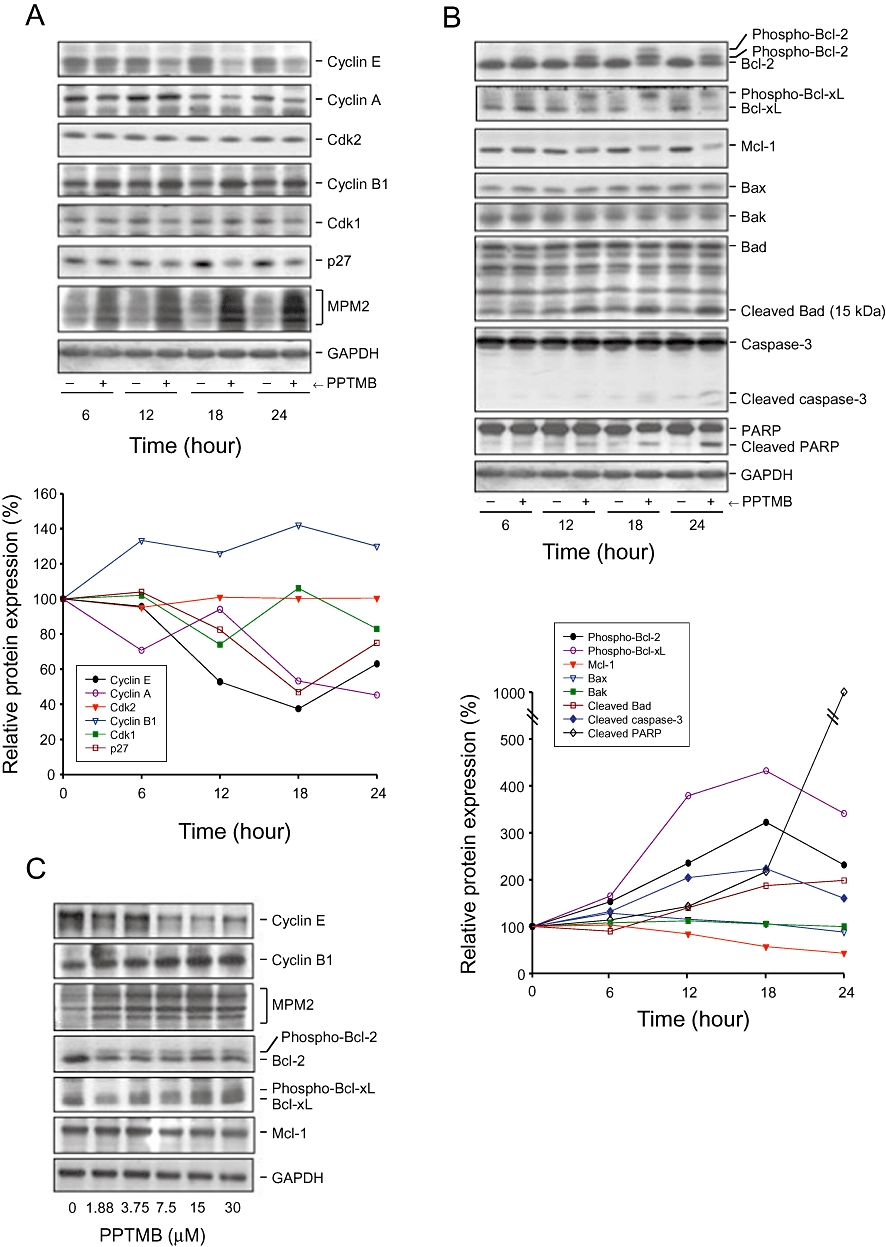
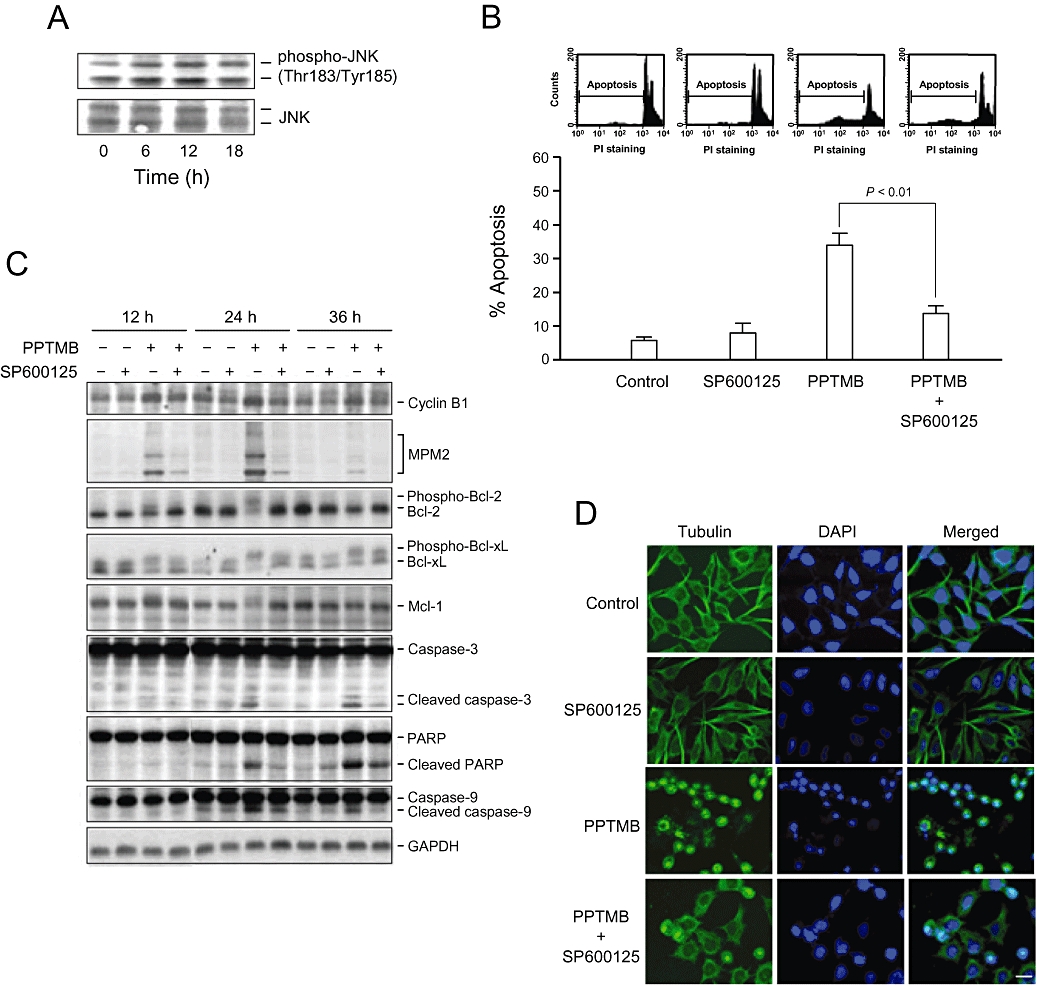
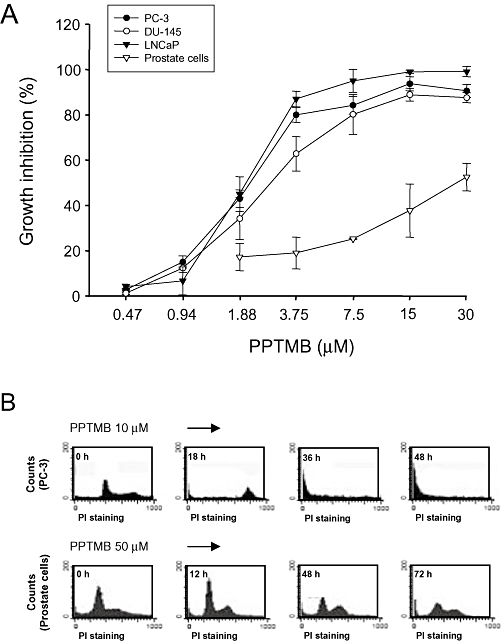
Key results: PPTMB inhibited proliferation of several human prostate cancer cell lines. It displayed similar activity against a P-gp-rich cell line, indicating that PPTMB was not a substrate for P-gp. PPTMB induced G2/M arrest of the cell cycle and subsequent apoptosis, using flow cytometry. Tubulin polymerization assays and Western blot analysis showed that PPTMB directly acted on tubulin and caused disruption of microtubule dynamics, inducing mitotic arrest and sustained high levels of cyclin B1 expression and Cdk1 activation. Subsequently, mitochondria-related apoptotic cascades were induced, including Bcl-2 and Bcl-xL phosphorylation, Mcl-1 down-regulation, truncated Bad formation and activation of caspase-9 and -3. PPTMB stimulated JNK phosphorylation at Thr(183)/Tyr(185). SP600125, a specific JNK inhibitor, significantly inhibited apoptotic signalling, indicating that JNK plays a key role in PPTMB action. PPTMB showed a 10-fold higher potency against prostate cancer cells than normal prostate cells.
Conclusions and implications: PPTMB is an effective anti-cancer agent. It disrupted microtubule dynamics, leading to mitotic arrest of the cell cycle and JNK activation, which in turn stimulated the mitochondria-related apoptotic cascades in prostate cancer cells.
Figures
References
-
- Bhalla KN. Microtubule-targeted anticancer agents and apoptosis. Oncogene. 2003;22:9075–9086. - PubMed
-
- Brozovic A, Osmak M. Activation of mitogen-activated protein kinases by cisplatin and their role in cisplatin-resistance. Cancer Lett. 2007;251:1–16. - PubMed
-
- Buchdunger E, Zimmermann J, Mett H, Meyer T, Müller M, Druker BJ, et al. Inhibition of the Abl protein–tyrosine kinase in vitro and in vivo by a 2-phenylaminopyrimidine derivative. Cancer Res. 1996;56:100–104. - PubMed
Publication types
MeSH terms
Substances
LinkOut - more resources
Full Text Sources
Other Literature Sources
Medical
Molecular Biology Databases
Research Materials
Miscellaneous