


Mobile genetic element proliferation and gene inactivation impact over the genome structure and metabolic capabilities of Sodalis glossinidius, the secondary endosymbiont of tsetse flies
- PMID: 20649993
- PMCID: PMC3091646
- DOI: 10.1186/1471-2164-11-449
Mobile genetic element proliferation and gene inactivation impact over the genome structure and metabolic capabilities of Sodalis glossinidius, the secondary endosymbiont of tsetse flies
Abstract
Background: Genome reduction is a common evolutionary process in symbiotic and pathogenic bacteria. This process has been extensively characterized in bacterial endosymbionts of insects, where primary mutualistic bacteria represent the most extreme cases of genome reduction consequence of a massive process of gene inactivation and loss during their evolution from free-living ancestors. Sodalis glossinidius, the secondary endosymbiont of tsetse flies, contains one of the few complete genomes of bacteria at the very beginning of the symbiotic association, allowing to evaluate the relative impact of mobile genetic element proliferation and gene inactivation over the structure and functional capabilities of this bacterial endosymbiont during the transition to a host dependent lifestyle.
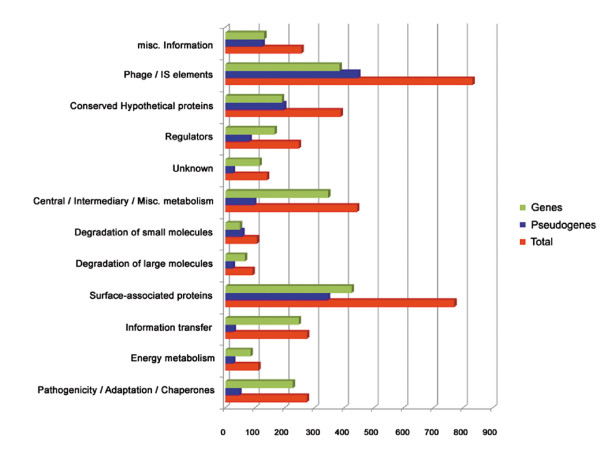
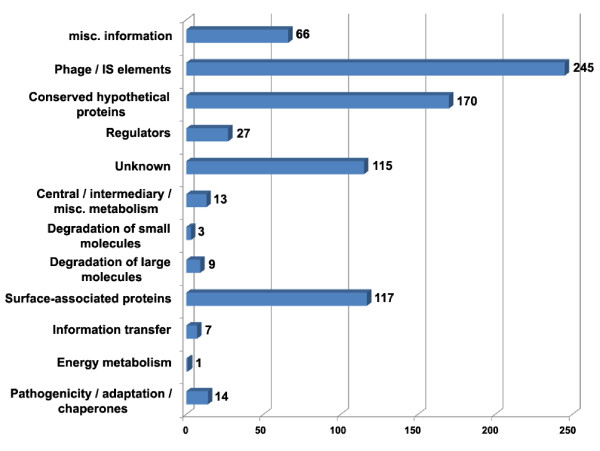
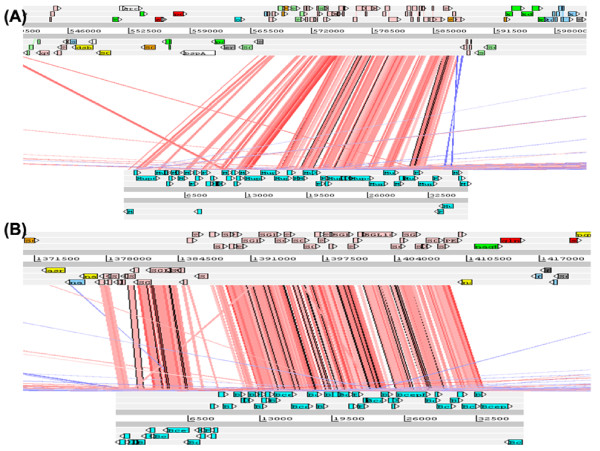
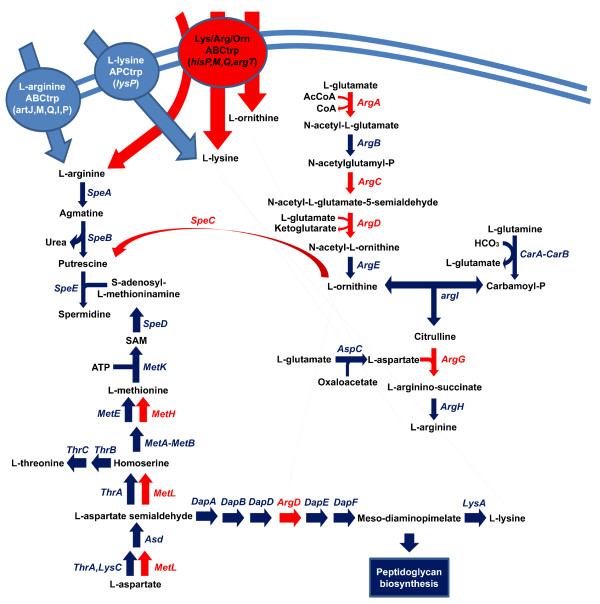
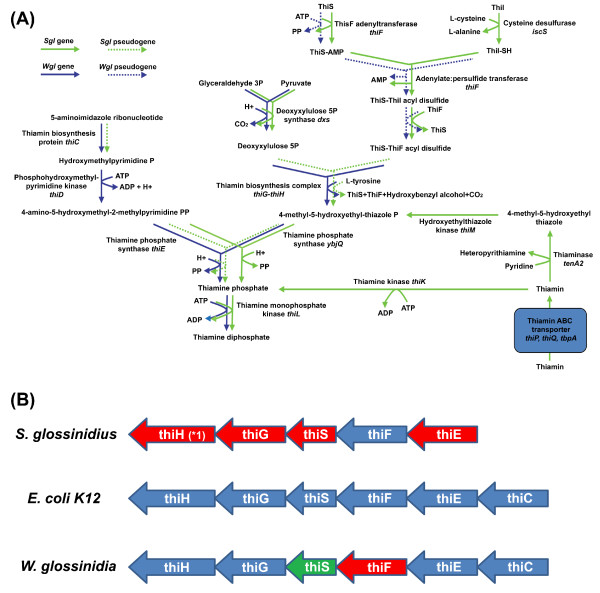
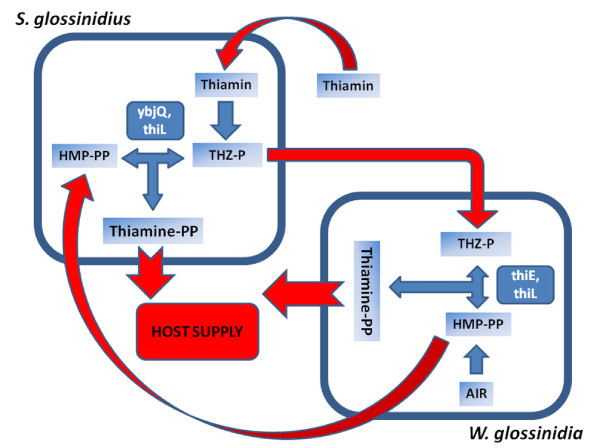
Results: A detailed characterization of mobile genetic elements and pseudogenes reveals a massive presence of different types of prophage elements together with five different families of IS elements that have proliferated across the genome of Sodalis glossinidius at different levels. In addition, a detailed survey of intergenic regions allowed the characterization of 1501 pseudogenes, a much higher number than the 972 pseudogenes described in the original annotation. Pseudogene structure reveals a minor impact of mobile genetic element proliferation in the process of gene inactivation, with most of pseudogenes originated by multiple frameshift mutations and premature stop codons. The comparison of metabolic profiles of Sodalis glossinidius and tsetse fly primary endosymbiont Wiglesworthia glossinidia based on their whole gene and pseudogene repertoires revealed a novel case of pathway inactivation, the arginine biosynthesis, in Sodalis glossinidius together with a possible case of metabolic complementation with Wigglesworthia glossinidia for thiamine biosynthesis.
Conclusions: The complete re-analysis of the genome sequence of Sodalis glossinidius reveals novel insights in the evolutionary transition from a free-living ancestor to a host-dependent lifestyle, with a massive proliferation of mobile genetic elements mainly of phage origin although with minor impact in the process of gene inactivation that is taking place in this bacterial genome. The metabolic analysis of the whole endosymbiotic consortia of tsetse flies have revealed a possible phenomenon of metabolic complementation between primary and secondary endosymbionts that can contribute to explain the co-existence of both bacterial endosymbionts in the context of the tsetse host.
Figures
References
-
- Buchner P. Endosymbiosis of animals with plant microorganisms. New York: Interscience; 1965. Symbiosis in animals with suck plant juices; pp. 210–432.
-
- Silva FJ, Latorre A, Gomez-Valero L, Moya A. In: Structural approaches to sequence evolution. Bastolla U, Porto M, Roman E, Vendruscolo M, editor. Springelink; 2007. Genomic changes in bacteria: From free-living to endosymbiotic life; pp. 149–165. full_text.
Publication types
MeSH terms
Substances
LinkOut - more resources
Full Text Sources
