


Establishment and characterization of an experimental model of coronary thrombotic microembolism in rats
- PMID: 20651237
- PMCID: PMC2928947
- DOI: 10.2353/ajpath.2010.090889
Establishment and characterization of an experimental model of coronary thrombotic microembolism in rats
Abstract
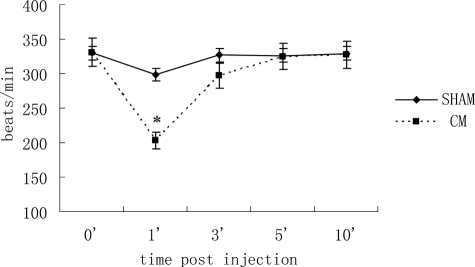
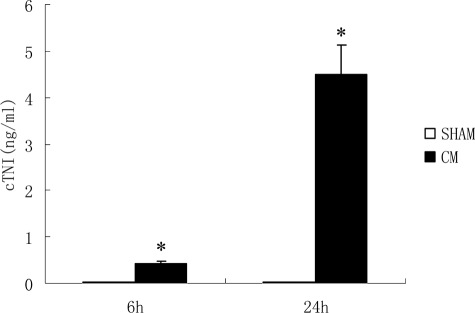
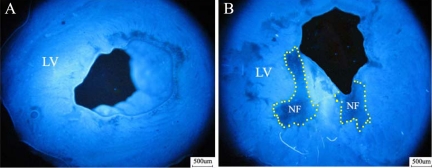
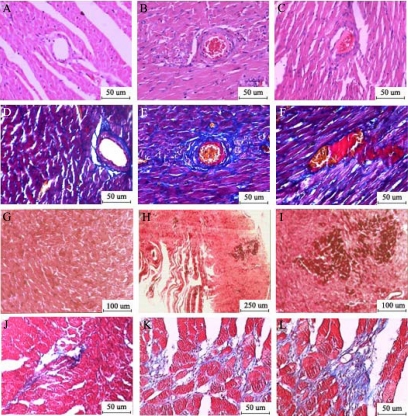
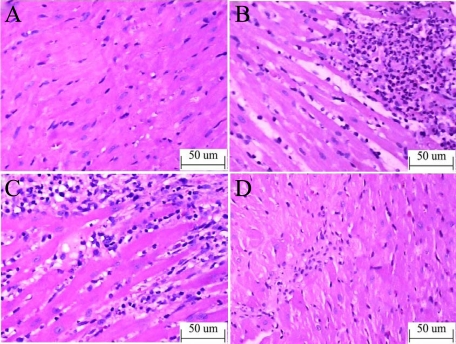
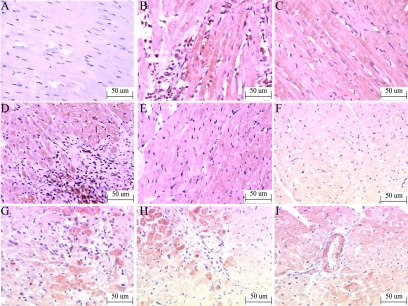
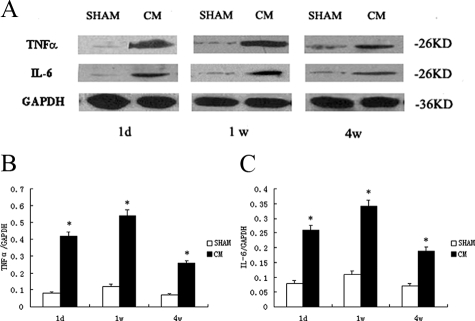
To establish a model of coronary thrombotic microembolism in rats, either automicrothrombotic particulates (CM group) or saline control (SHAM group) was injected into temporarily clamped aortas of male Sprague-Dawley rats. After automicrothrombotic particulate injection, serum c-troponin I and von Willebrand factor levels, the no-flow area as evaluated by Thioflavin S, myocardial leukocyte infiltration levels, myocardial expressions of tumor necrosis factor alpha and interleukin-6, the percentage of arterioles obstructed by thrombosis, and myocardial fibrosis were all significantly increased whereas cardiac function as evaluated by echocardiography and hemodynamic measurements were significantly reduced compared with the sham group. Thus, aortic automicrothrombotic particulate injection could induce coronary microembolism in rats, and this model could be of value in improving the understanding of pathophysiology of coronary microembolism.
Figures
References
-
- Skyschally A, Leineweber K, Gres P, Haude M, Erbel R, Heusch G. Coronary microembolization. Basic Res Cardiol. 2006;101:373–382. - PubMed
-
- Erbel R, Heusch G. Coronary microembolization: its role in acute coronary syndromes and interventions. Herz. 1999;24:558–575. - PubMed
-
- Jaffe R, Charron T, Puley G, Dick A, Strauss BH. Microvascular obstruction and the no-reflow phenomenon after percutaneous coronary intervention. Circulation. 2008;117:3152–3156. - PubMed
-
- Topol EJ, Yadav JS. recognition of the importance of embolization in atherosclerotic vascular disease. Circulation. 2000;101:570–580. - PubMed
MeSH terms
Substances
LinkOut - more resources
Full Text Sources
