


Genome-wide expression profiling deciphers host responses altered during dengue shock syndrome and reveals the role of innate immunity in severe dengue
- PMID: 20652028
- PMCID: PMC2907396
- DOI: 10.1371/journal.pone.0011671
Genome-wide expression profiling deciphers host responses altered during dengue shock syndrome and reveals the role of innate immunity in severe dengue
Abstract
Background: Deciphering host responses contributing to dengue shock syndrome (DSS), the life-threatening form of acute viral dengue infections, is required to improve both the differential prognosis and the treatments provided to DSS patients, a challenge for clinicians.
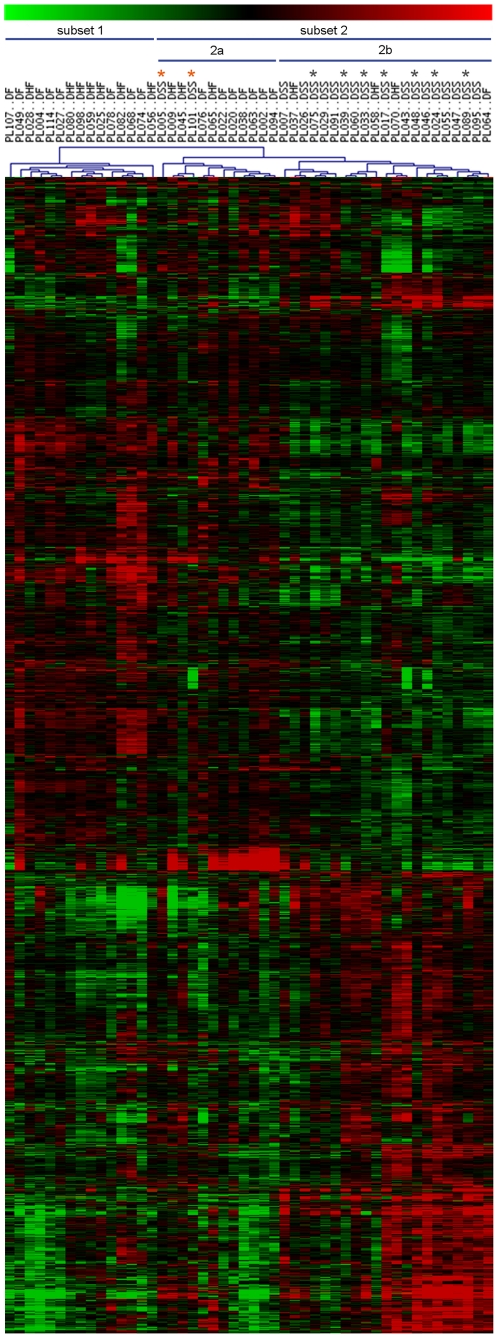
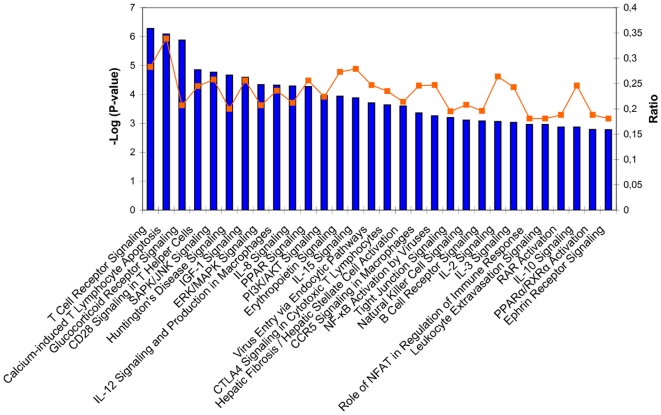
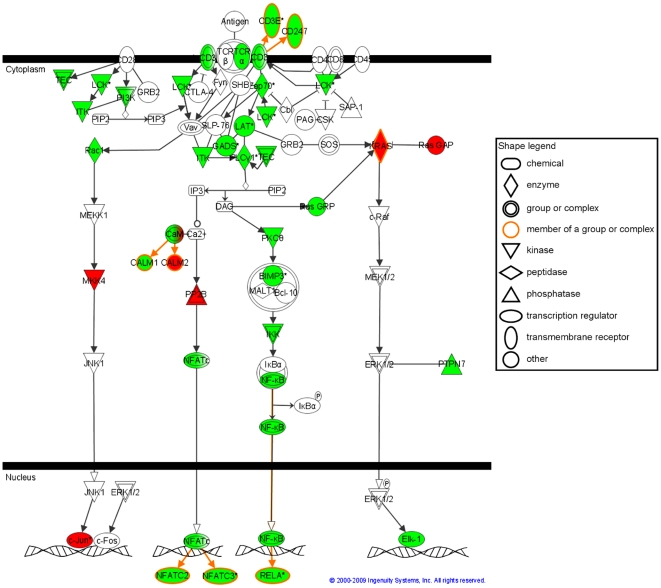
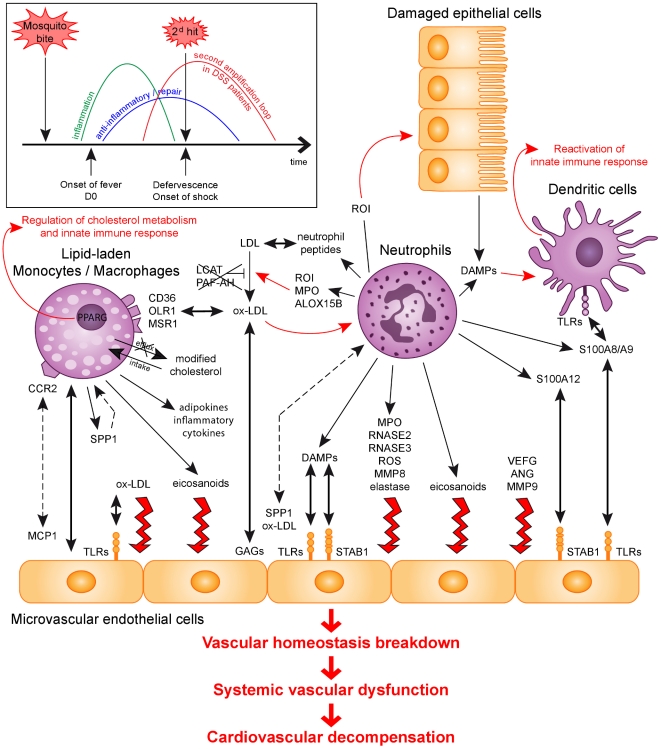
Methodology/principal findings: Based on a prospective study, we analyzed the genome-wide expression profiles of whole blood cells from 48 matched Cambodian children: 19 progressed to DSS while 16 and 13 presented respectively classical dengue fever (DF) or dengue hemorrhagic fever grades I/II (DHF). Using multi-way analysis of variance (ANOVA) and adjustment of p-values to control the False Discovery Rate (FDR<10%), we identified a signature of 2959 genes differentiating DSS patients from both DF and DHF, and showed a strong association of this DSS-gene signature with the dengue disease phenotype. Using a combined approach to analyse the molecular patterns associated with the DSS-gene signature, we provide an integrative overview of the transcriptional responses altered in DSS children. In particular, we show that the transcriptome of DSS children blood cells is characterized by a decreased abundance of transcripts related to T and NK lymphocyte responses and by an increased abundance of anti-inflammatory and repair/remodeling transcripts. We also show that unexpected pro-inflammatory gene patterns at the interface between innate immunity, inflammation and host lipid metabolism, known to play pathogenic roles in acute and chronic inflammatory diseases associated with systemic vascular dysfunction, are transcriptionnally active in the blood cells of DSS children.
Conclusions/significance: We provide a global while non exhaustive overview of the molecular mechanisms altered in of DSS children and suggest how they may interact to lead to final vascular homeostasis breakdown. We suggest that some mechanisms identified should be considered putative therapeutic targets or biomarkers of progression to DSS.
Conflict of interest statement
Figures
References
-
- Gubler DJ. Epidemic dengue/dengue hemorrhagic fever as a public health, social and economic problem in the 21st century. Trends Microbiol. 2002;10:100–103. - PubMed
-
- Peters KG. Vascular endothelial growth factor and the angiopoietins: working together to build a better blood vessel. Circ Res. 1998;83:342–343. - PubMed
-
- Pang T, Cardosa MJ, Guzman MG. Of cascades and perfect storms: the immunopathogenesis of dengue haemorrhagic fever-dengue shock syndrome (DHF/DSS). Immunol Cell Biol. 2007;85:43–45. - PubMed
Publication types
MeSH terms
LinkOut - more resources
Full Text Sources
Other Literature Sources
Molecular Biology Databases
Miscellaneous
