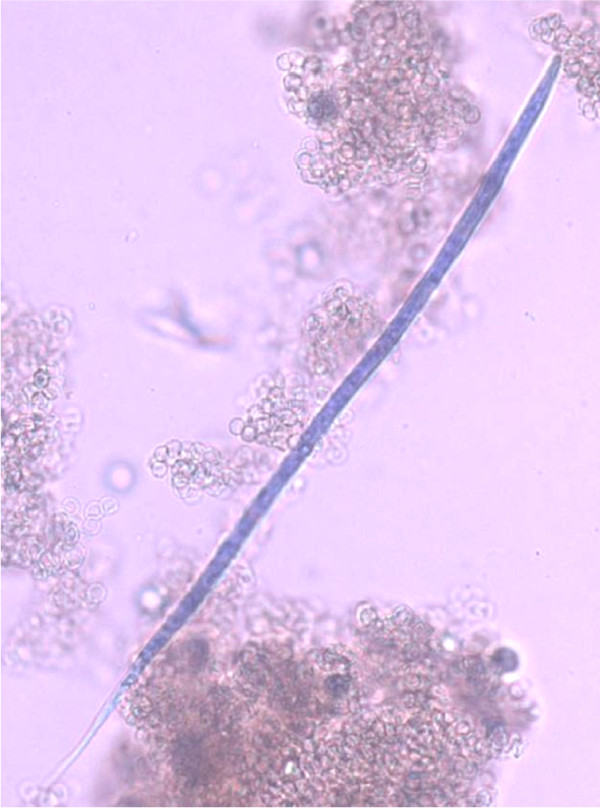
. 2010 Jul 23:3:62.
doi: 10.1186/1756-3305-3-62.

Canine and feline cardiopulmonary parasitic nematodes in Europe: emerging and underestimated

Affiliations

Canine and feline cardiopulmonary parasitic nematodes in Europe: emerging and underestimated

Donato Traversa et al. Parasit Vectors. .

Abstract

Cardiopulmonary nematodes of dogs and cats cause parasitic diseases of central relevance in current veterinary practice. In the recent past the distribution of canine and feline heartworms and lungworms has increased in various geographical areas, including Europe. This is true especially for the metastrongyloids Aelurostrongylus abstrusus, Angiostrongylus vasorum and Crenosoma vulpis, the filarioid Dirofilaria immitis and the trichuroid Eucoleus aerophilus (syn. Capillaria aerophila). The reasons of this emergence are little known but many drivers such as global warming, changes in vector epidemiology and movements in animal populations, may be taken into account. The purpose of this article is to review the knowledge of the most important heartworm and lungworm infections of dogs and cats in Europe. In particular recent advances in epidemiology, clinical and control are described and discussed.


Figures
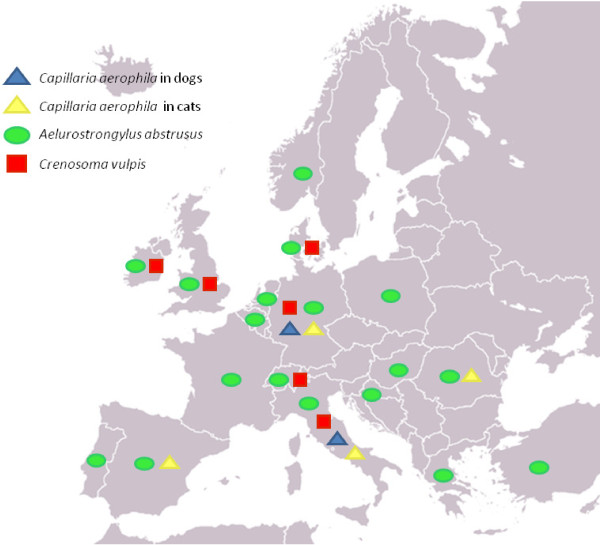
Figure 1
Figure 1
Reports in Europe of Eucoleus aerophilus, Aelurostrongylus abstrusus and Crenosoma vulpis (Cv). C:cats; D:dogs (see also Table 1).
Figure 2
Figure 2
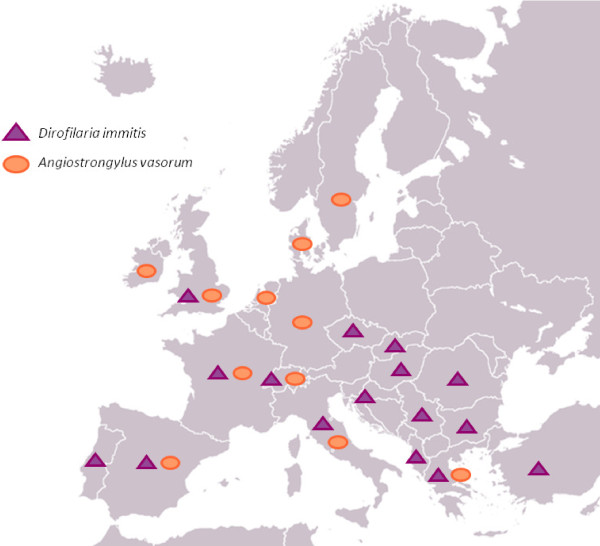
Reports in Europe of Dirofilaria immitis and Angiostrongylus vasorum in dogs. See also Table 2.
Figure 3
Figure 3
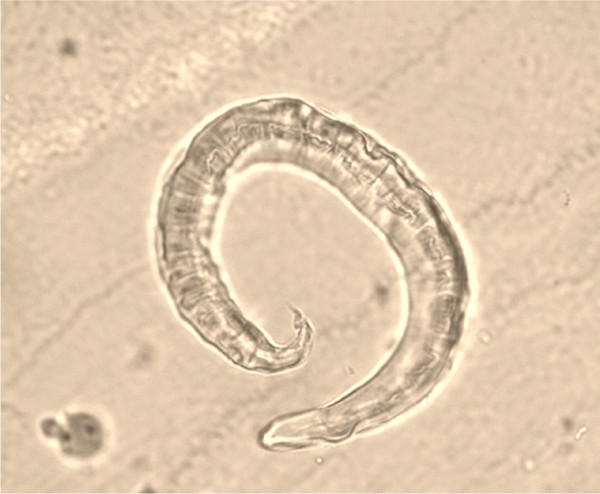
Floatation with Zinc Sulphate: Angiostrongylus vasorum, dehydrated first stage larva.
Figure 4
Figure 4
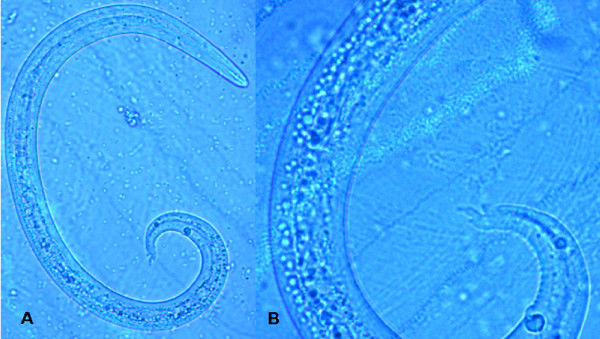
Baermann test: Aelurostrongylus abstrusus, first stage larva (A) and magnification (B) of the S-shaped caudal end with the typical dorsal spine.
Figure 5
Figure 5
Baermann test: Strongyloides stercoralis, first stage larva, iodine stained.
Figure 6
Figure 6
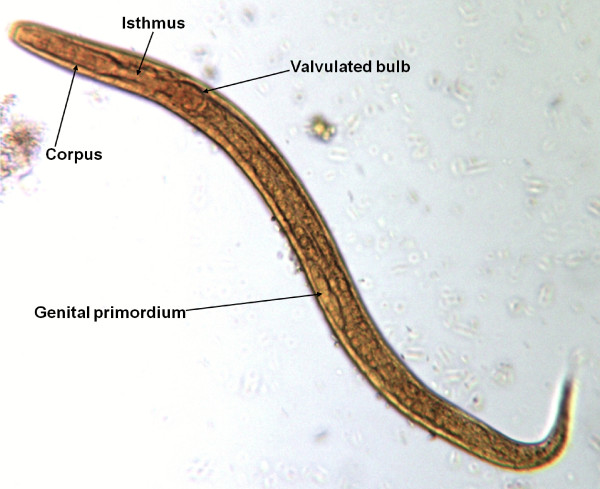
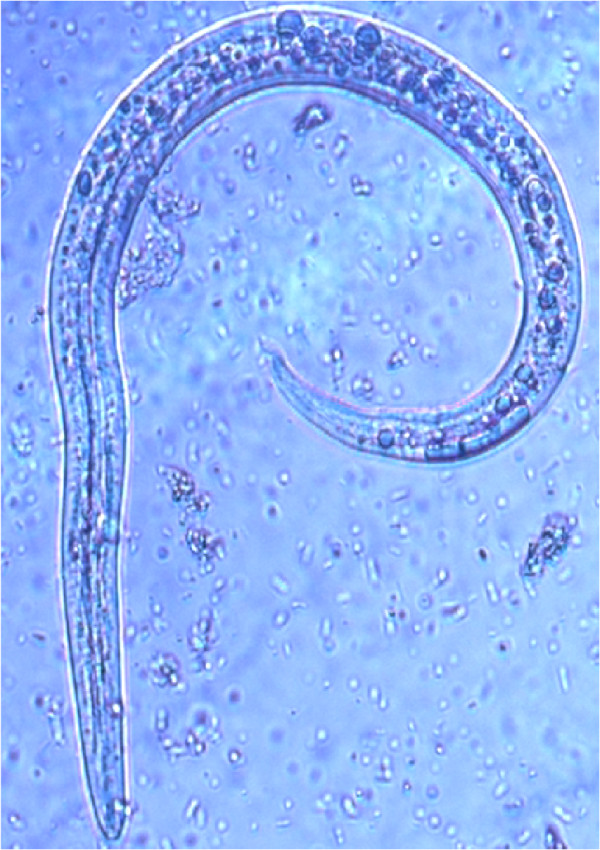
Baermann test: Angiostrongylus vasorum, first stage larva.
Figure 7
Figure 7
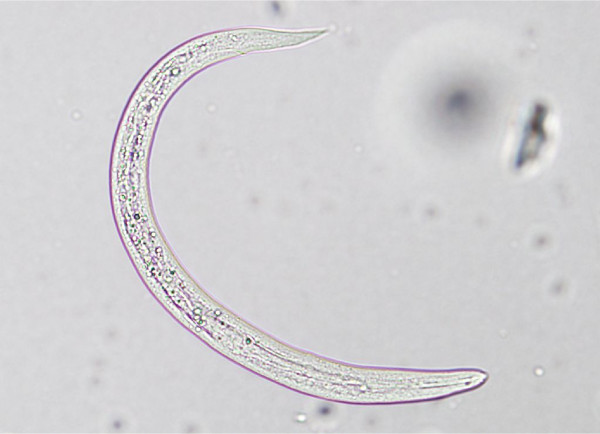
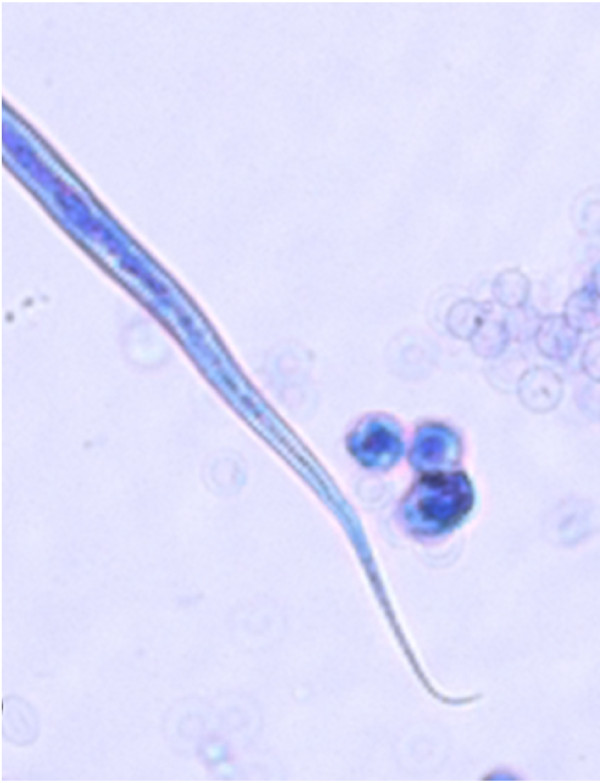
Baermann test: Crenosoma vulpis, first stage larva.
Figure 8
Figure 8
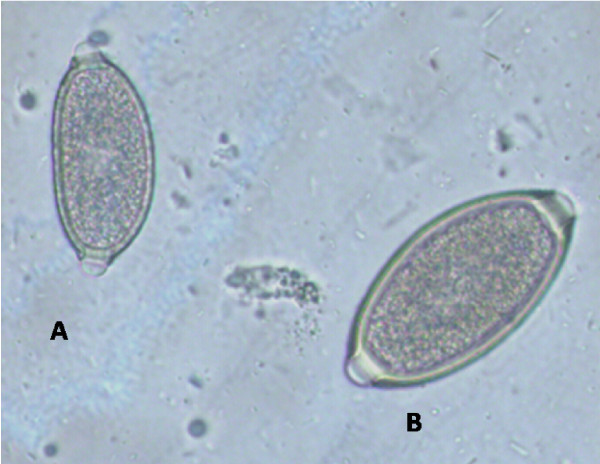
Floatation with Zinc Sulphate: eggs of Eucoleus aerophilus (A) and Trichuris vulpis (B).
Figure 9
Figure 9
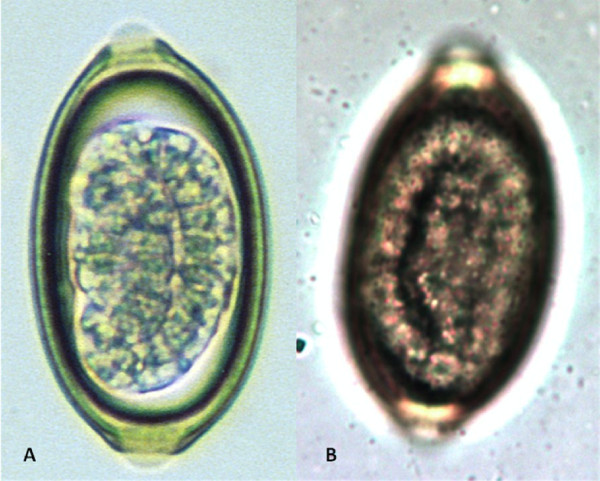
Floatation with Zinc Sulphate: eggs of Eucoleus boehmi (A) showing the pitted wall surface (B).
Figure 10
Figure 10
Knott's method: Dirofilaria immitis microfilaria.
Figure 11
Figure 11
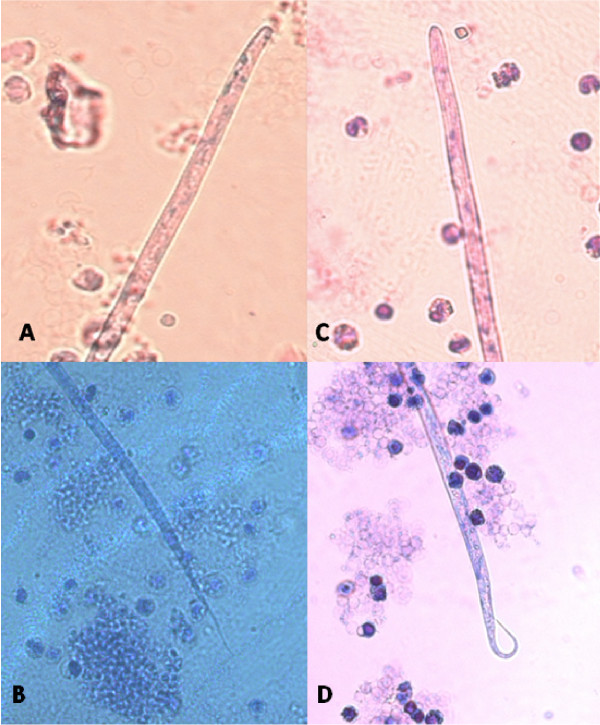
Knott's method: Anterior and posterior end of Dirofilaria immitis (A-B) and Dirofilaria repens (C-D).
Figure 12
Figure 12
Knott's method: Posterior end of Acanthocheilonema (= Dipetalonema) reconditum.

References

    1. Blashki G, McMichael T, Karoly DJ. Climate change and primary health care. Aust Fam Physician. 2007;36:986–989. - PubMed
    1. Khasnis AA, Nettleman MD. Global warming and infectious disease. Arch Med Res. 2005;36:689–696. doi: 10.1016/j.arcmed.2005.03.041. - DOI - PubMed
    1. Rogers DJ, Randolph SE. Climate change and vector-borne diseases. Adv Parasitol. 2006;62:345–381. doi: 10.1016/S0065-308X(05)62010-6. - DOI - PubMed
    1. Jenkins EJ, Kutz SJ, Hoberg EP, Polley L. Bionomics of larvae of Parelaphostrongylus odocoilei (Nematoda: Protostrongylidae) in experimental infected gastropod intermediate hosts. J Parasitol. 2006;92:298–305. doi: 10.1645/GE-629R.1. - DOI - PubMed
    1. Genchi C, Rinaldi L, Mortarino M, Genchi M, Cringoli G. Climate and Dirofilaria infection in Europe. Vet Parasitol. 2009;163:286–292. doi: 10.1016/j.vetpar.2009.03.026. - DOI - PubMed

LinkOut - more resources