


fMRI evidence of neural abnormalities in the subcortical face processing system in ASD
- PMID: 20656041
- PMCID: PMC3426450
- DOI: 10.1016/j.neuroimage.2010.07.037
fMRI evidence of neural abnormalities in the subcortical face processing system in ASD
Abstract
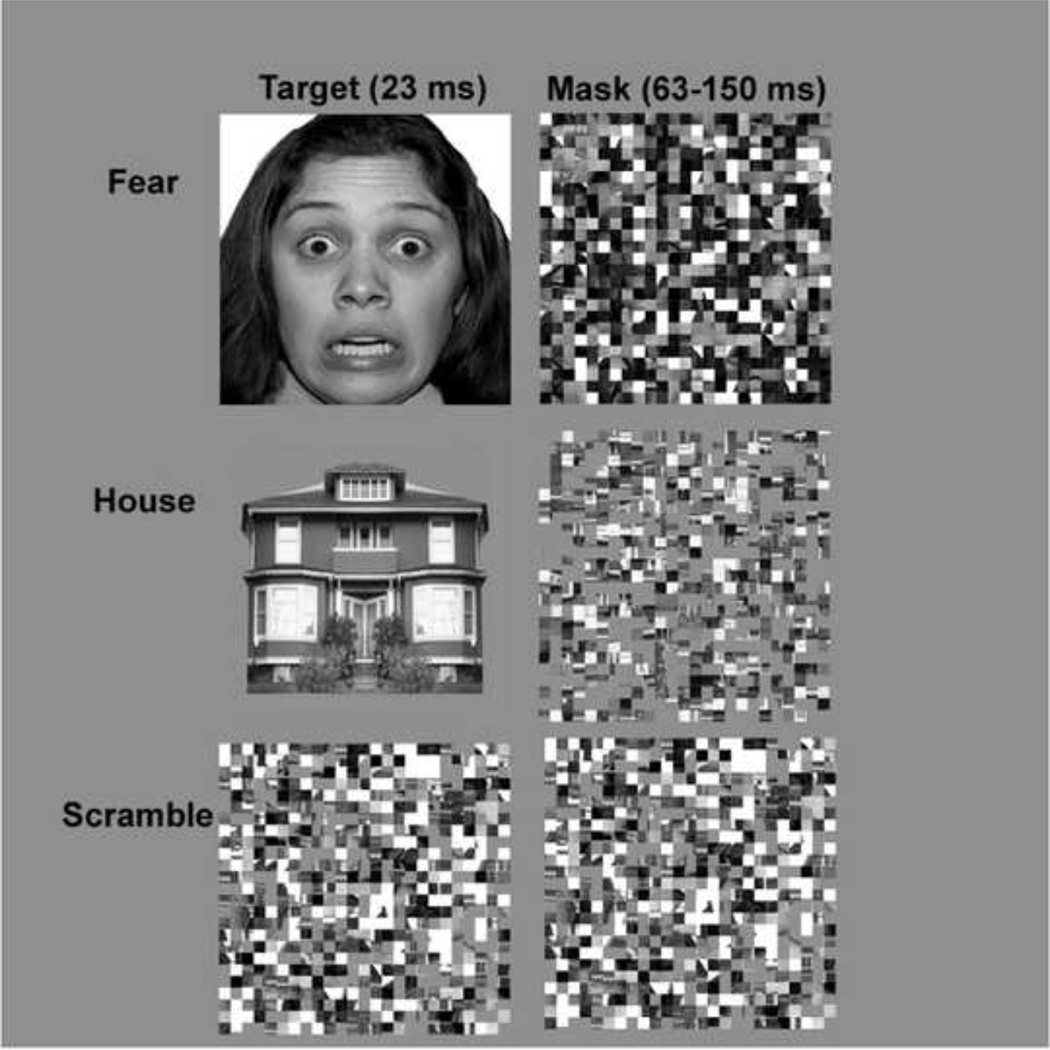
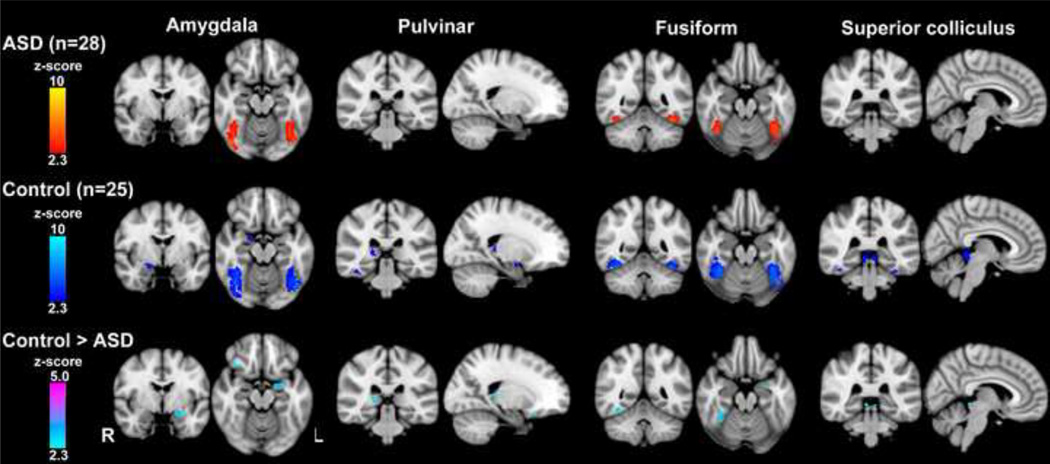
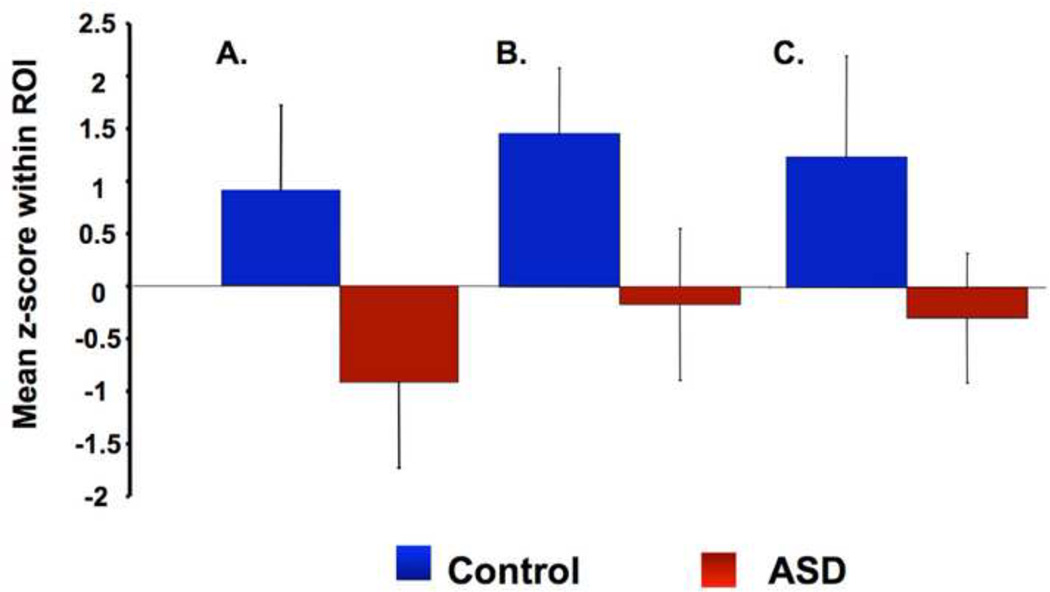
Recent evidence suggests that a rapid, automatic face detection system is supported by subcortical structures including the amygdala, pulvinar, and superior colliculus. Early-emerging abnormalities in these structures may be related to reduced social orienting in children with autism, and subsequently, to aberrant development of cortical circuits involved in face processing. Our objective was to determine whether functional abnormalities in the subcortical face processing system are present in adults with autism spectrum disorders (ASD) during supraliminal fearful face processing. Participants included twenty-eight individuals with ASD and 25 controls group-matched on age, IQ, and behavioral performance. The ASD group met diagnostic criteria on the ADI-R, ADOS-G, and DSM-IV. Both the ASD and control groups showed significant activation in bilateral fusiform gyri. The control group exhibited additional significant responses in the right amygdala, right pulvinar, and bilateral superior colliculi. In the direct group comparison, the controls showed significantly greater activation in the left amygdala, bilateral fusiform gyrus, right pulvinar, and bilateral superior colliculi. No brain region showed significantly greater activation in the ASD group compared to the controls. Thus, basic rapid face identification mechanisms appear to be functional in ASD. However, individuals with ASD failed to engage the subcortical brain regions involved in face detection and automatic emotional face processing, suggesting a core mechanism for impaired socioemotional processing in ASD. Neural abnormalities in this system may contribute to early-emerging deficits in social orienting and attention, the putative precursors to abnormalities in social cognition and cortical face processing specialization.
Copyright © 2010 Elsevier Inc. All rights reserved.
Figures
References
-
- Adolphs R, Sears L, Piven J. Abnormal processing of social information from faces in autism. J Cogn Neurosci. 2001;13:232–240. - PubMed
-
- Adolphs R, Tranel D. Amygdala damage impairs emotion recognition from scenes only when they contain facial expressions. Neuropsychologia. 2003;41:1281–1289. - PubMed
-
- American Psychiatric Association. Diagnostic and Statistical Manual of Mental Disorders. 4th ed. ed. Washington, DC: American Psychiatric Association; 1994.
-
- Ashwin C, Baron-Cohen S, Wheelwright S, O'Riordan M, Bullmore ET. Differential activation of the amygdala and the 'social brain' during fearful face-processing in Asperger Syndrome. Neuropsychologia. 2006a - PubMed
-
- Ashwin C, Chapman E, Colle L, Baron-Cohen S. Impaired recognition of negative basic emotions in autism: a test of the amygdala theory. Soc Neurosci. 2006b;1:349–363. - PubMed
Publication types
MeSH terms
Grants and funding
LinkOut - more resources
Full Text Sources
Medical
Miscellaneous
