


Formative Assessment of ARM-U: A Modular Intervention for Decreasing Risk Behaviors Among HIV-Positive and HIV-Negative Methamphetamine-Using MSM
- PMID: 20657829
- PMCID: PMC2905777
- DOI: 10.2174/1874613601004030105
Formative Assessment of ARM-U: A Modular Intervention for Decreasing Risk Behaviors Among HIV-Positive and HIV-Negative Methamphetamine-Using MSM
Abstract
Background: Methamphetamine is a major contributor to HIV transmission among men who have sex with men (MSM). Recent studies show that up to one-third of methamphetamine-using MSM (MUMSM) inject the drug. We developed a behavioral intervention for MUMSM to decrease unprotected anal intercourse and increase awareness of parenteral HIV transmission risk. This 6-session (3 in-person, 3 by telephone) modular intervention was designed to be tailored to participants' HIV (+/-) and injection drug user ([IDU] yes/no) status. We present results of formative research used to evaluate the content and to assess feasibility and acceptability of this individual-level HIV risk-reduction intervention.
Setting: HIV research clinic in a high MSM and methamphetamine prevalence neighborhood.
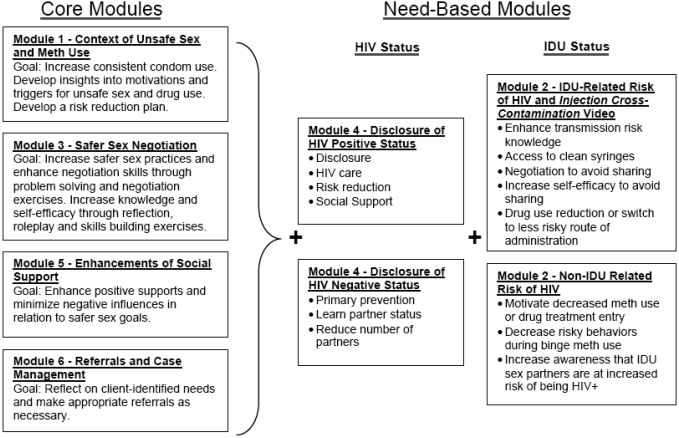
Project: Avoiding Risks from Methamphetamine-Use (ARM-U) is a brief toolbox intervention that allows counselors to select modules that suit a client's individual risk profile and intervention needs employing motivational interviewing and cognitive behavioral theory. We evaluated the format and content of the intervention through focus groups and pre-testing of the entire intervention using volunteers from the target population stratified into four groups (HIV+/IDU, HIV-/IDU, HIV+/non-IDU, HIV-/non-IDU). Four individuals in each stratum were recruited to undergo the intervention and complete a satisfaction survey at the end of each in-person session.
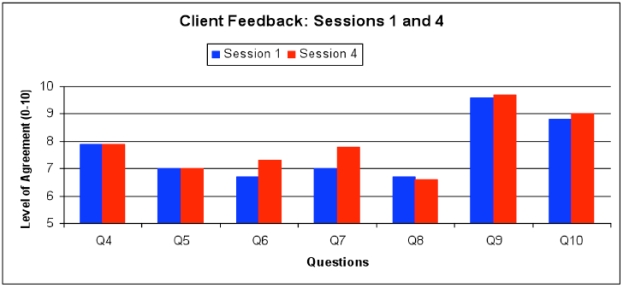
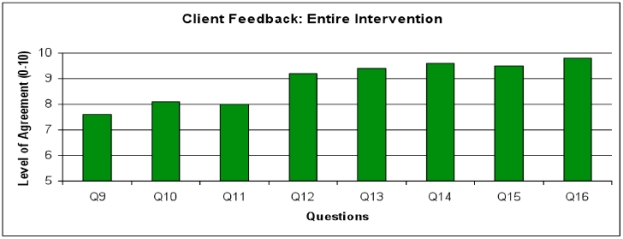
Results: In total, 25 MUMSM attended one of five focus groups. Participants thought all proposed intervention topics were important and could aid in reducing sexual risk behaviors among MUMSM. However, the neurocognitive effects of methamphetamine were reported to be a barrier to practicing safer sex, condom use negotiation or HIV status disclosure. Fifteen (94%) of 16 participants completed all 6 sessions and the satisfaction survey. On average, participants felt the intervention was useful for MUMSM, made them contemplate and move toward behavior change, and would recommend the program to their peers.
Lessons learned: Based on our formative research, we revised the ARM-U intervention to emphasize pre-planning to avoid combining methamphetamine use and sex or develop strategies to avoid sex risk following methamphetamine use. We also increased emphasis on referrals for care and other requested services. Future efficacy trials are needed to evaluate the intervention's ability to reduce HIV-associated risk behaviors.
Keywords: HIV; MSM; behavioral intervention.; formative research; injection drug use; methamphetamine.
Figures
References
-
- Reback CJ. The social construction of a gay drug: Methamphetamine use among gay and bisexual males in Los Angeles. Executive Summary. City of Los Angeles, USA: AIDS Coordinator. 1997.
-
- Semple SJ, Patterson TL, Grant I. Motivations associated with methamphetamine use among HIV+ men who have sex with men. J Subst Abuse Treat. 2002;22(3):149–56. - PubMed
-
- Forsch D, Shoptaw S, Huber A, Rawson R, Ling W. Sexual HIV risk among gay and bisexual male methamphetamine abusers. J Subst Abuse Treat. 1996;13(6):483–486. - PubMed
-
- Gorman M. A tale of two epidemics: HIV and stimulant use. FOCUS. 1998;13(4):1–8. - PubMed
Grants and funding
LinkOut - more resources
Full Text Sources