


Role of microglia in ethanol's apoptotic action on hypothalamic neuronal cells in primary cultures
- PMID: 20662807
- PMCID: PMC2965273
- DOI: 10.1111/j.1530-0277.2010.01271.x
Role of microglia in ethanol's apoptotic action on hypothalamic neuronal cells in primary cultures
Abstract
Background: Microglia are the major inflammatory cells in the central nervous system and play a role in brain injuries as well as brain diseases. In this study, we determined the role of microglia in ethanol's apoptotic action on neuronal cells obtained from the mediobasal hypothalamus and maintained in primary cultures. We also tested the effect of cAMP, a signaling molecule critically involved in hypothalamic neuronal survival, on microglia-mediated ethanol's neurotoxic action.
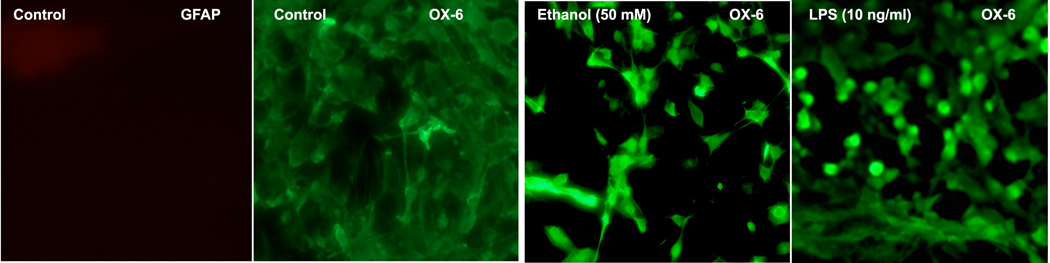
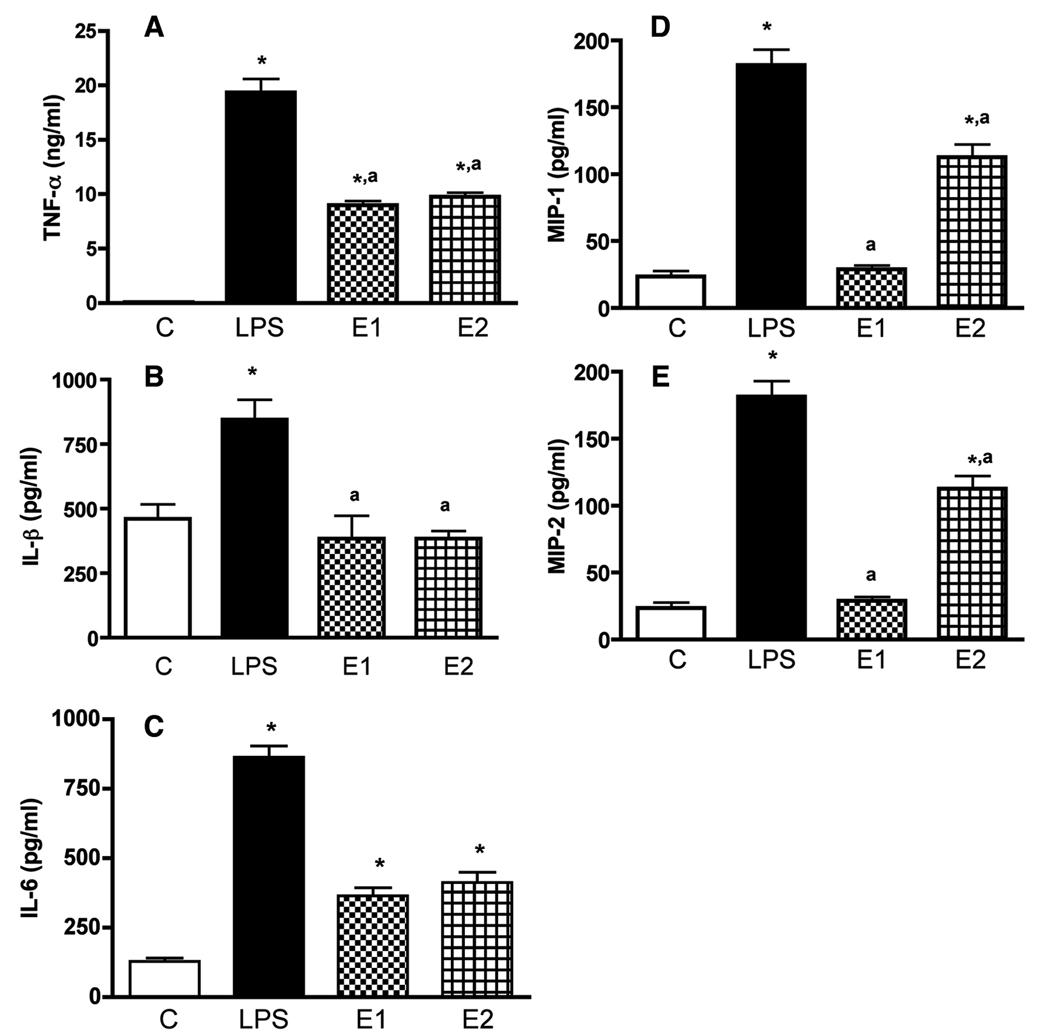
Methods: Ethanol's neurotoxic action was determined on enriched fetal mediobasal hypothalamic neuronal cells with or without microglia cells or ethanol-activated microglia-conditioned media. Ethanol's apoptotic action was determined using nucleosome assay. Microglia activation was determined using OX6 histochemistry and by measuring inflammatory cytokines secretion from microglia in cultures using enzyme-linked immunosorbent assay (ELISA). An immunoneutralization study was conducted to identify the role of a cytokine involved in ethanol's apoptotic action.
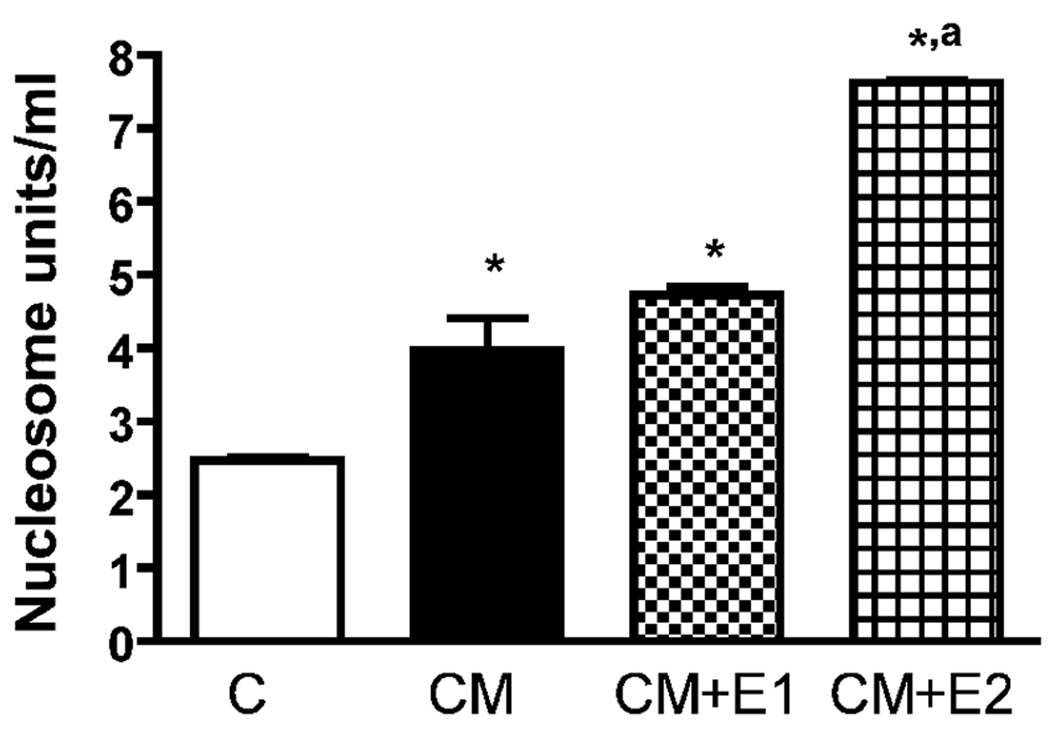
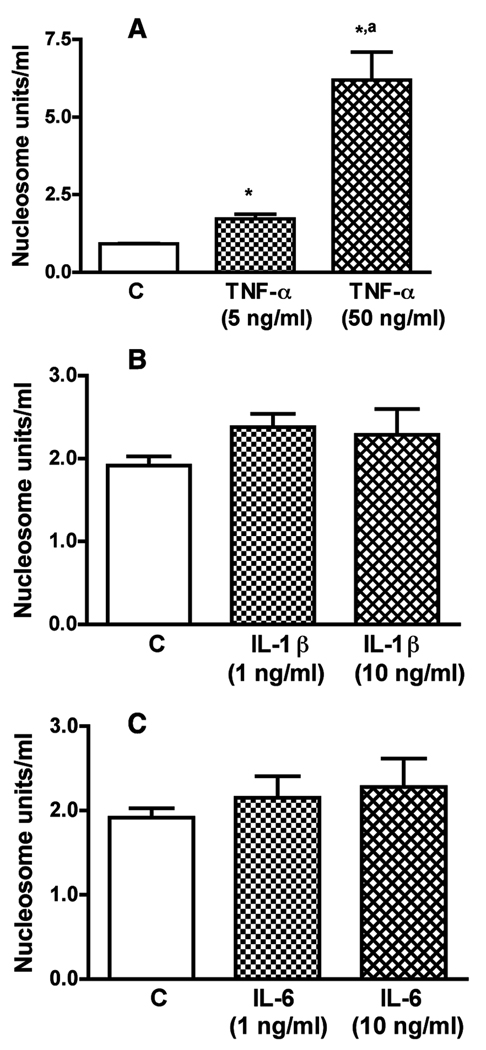
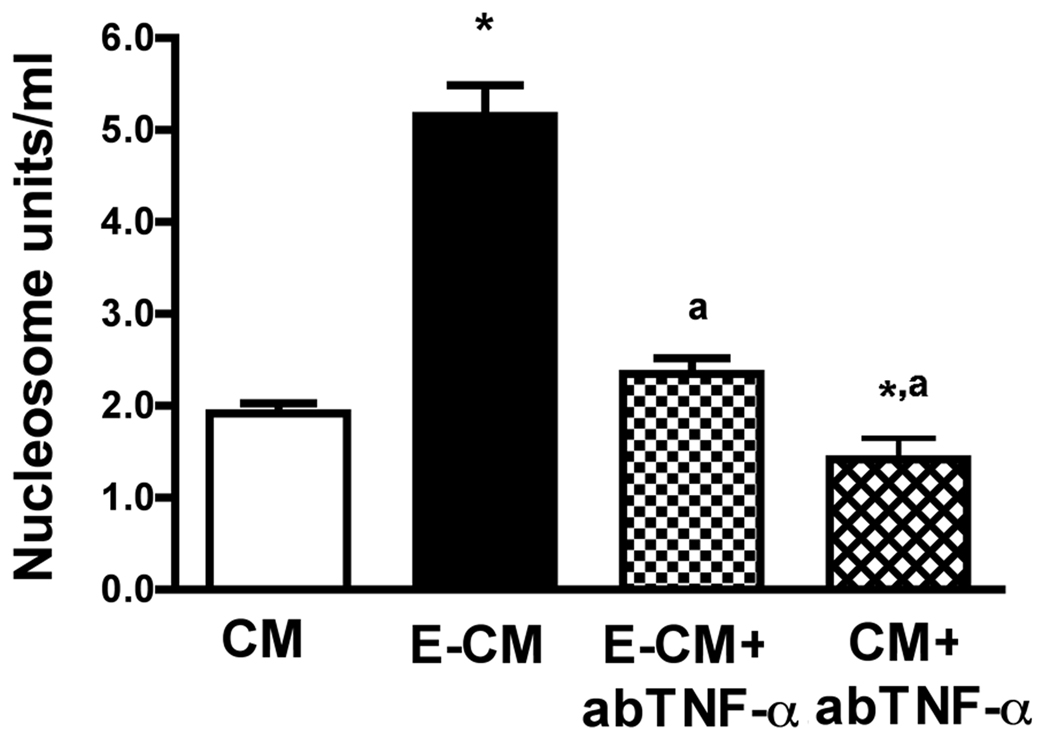
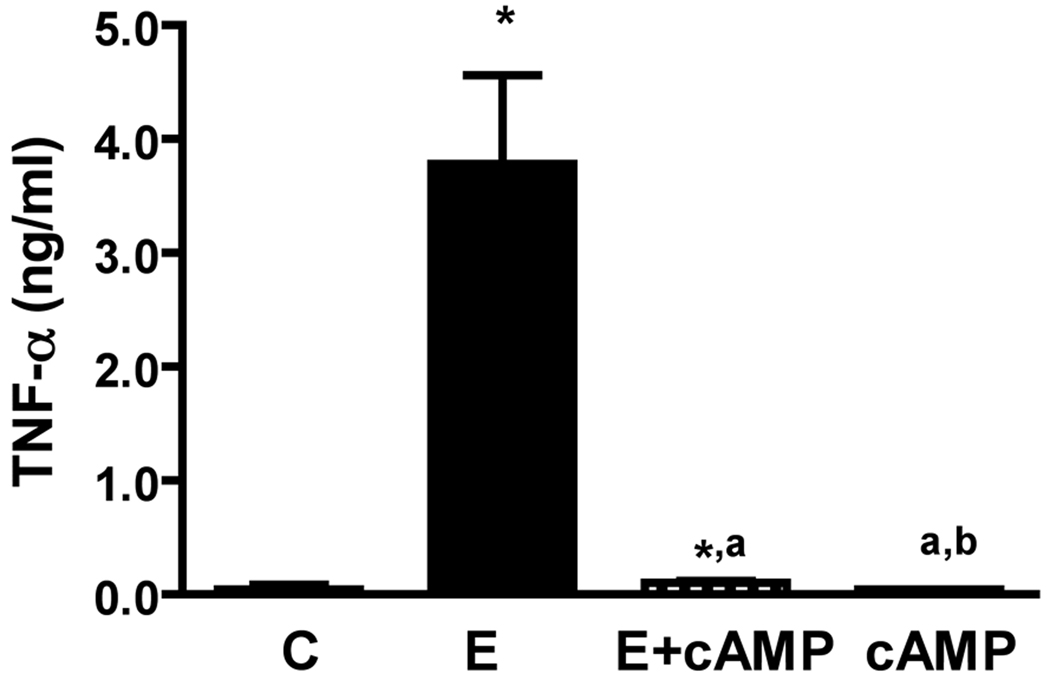
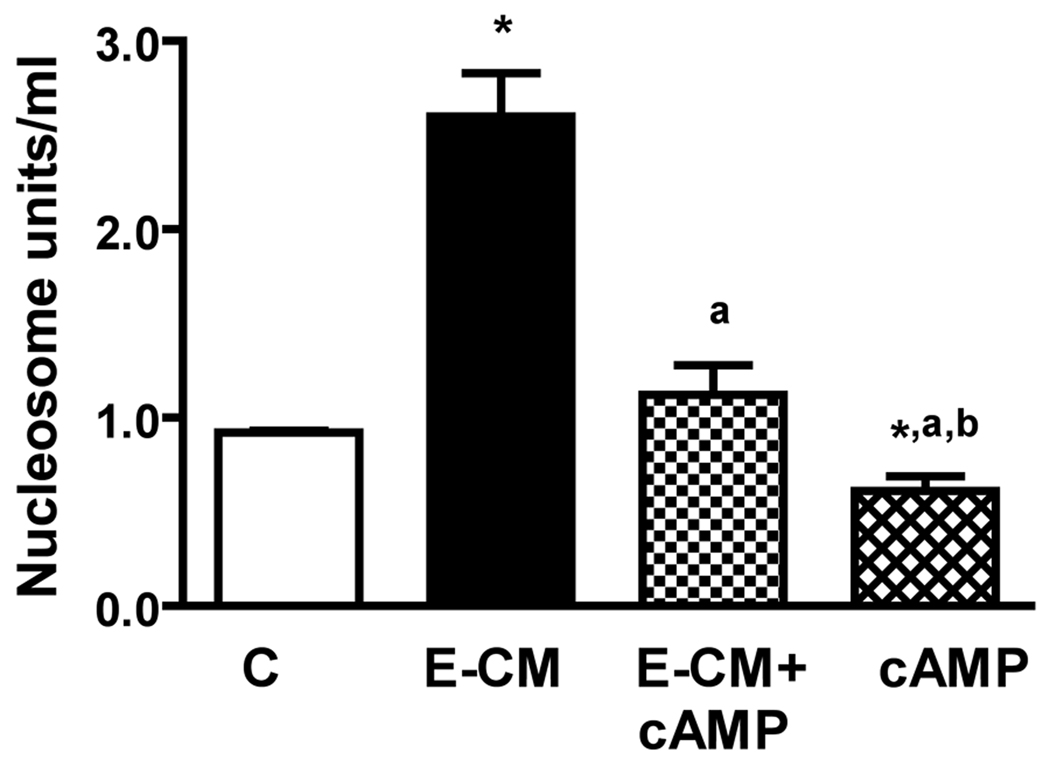
Results: We show here that ethanol at a dose range of 50 and 100 mM induces neuronal death by an apoptotic process. Ethanol's ability to induce an apoptotic death of neurons is increased by the presence of ethanol-activated microglia-conditioned media. In the presence of ethanol, microglia showed elevated secretion of various inflammatory cytokines, of which TNF-α shows significant apoptotic action on mediobasal hypothalamic neuronal cells. Ethanol's neurotoxic action was completely prevented by cAMP. The cell-signaling molecule also prevented ethanol-activated microglial production of TNF-α. Immunoneutralization of TNF-α prevented the microglia-derived media's ability to induce neuronal death.
Conclusions: These results suggest that ethanol's apoptotic action on hypothalamic neuronal cells might be mediated via microglia, possibly via increased production of TNF-α. Furthermore, cAMP reduces TNF-α production from microglia to prevent ethanol's neurotoxic action.
Copyright © 2010 by the Research Society on Alcoholism.
Figures
References
-
- Allen RT, Hunter WJ, III, Agrawal WJDK. Morphological and biological characterization and analysis of apoptosis. J Pharmacol Toxicol Methods. 1997;37:215–228. 3rd. - PubMed
-
- Boyadjieva N, Sarkar DK. Effects of ethanol on basal and prostaglandin E1-induced increases in beta-endorphin release and intracellular cAMP levels in hypothalamic cells. Alcoholism: Clin Exp Res. 1997;21:1005–1009. - PubMed
-
- Boyadjieva N, Sarkar DK. Effects of ethanol on basal and adenosine-induced increases in beta-endorphin release and intracellular cAMP levels in hypothalamic cells. Brain Res. 1999;824:112–118. - PubMed
-
- Brown RE. An Introduction to Neuroendocrinology. New York, NY: Cambridge University Press; 1998. pp. 41–43.
Publication types
MeSH terms
Substances
Grants and funding
LinkOut - more resources
Full Text Sources
