. 2010 Nov 1;111(4):933-43.
doi: 10.1002/jcb.22782.

The Ewing's sarcoma fusion protein, EWS-FLI, binds Runx2 and blocks osteoblast differentiation

Affiliations

The Ewing's sarcoma fusion protein, EWS-FLI, binds Runx2 and blocks osteoblast differentiation

Xiaodong Li et al. J Cell Biochem. .

Abstract

Ewing's sarcomas are highly aggressive round cell tumors of bone and soft tissues that afflict children and young adults. The majority of these tumors harbor the t(11;22) translocation and express the fusion protein EWS-FLI. Modern molecular profiling experiments indicate that Ewing's tumors originate from mesenchymal precursors in young individuals. EWS-FLI alters the morphology of mesenchymal cells and prevents lineage specification; however, the molecular mechanisms for differentiation arrest are unclear. We recently showed that EWS-FLI binds Runx2, a master regulator of osteoblast differentiation. In this report, we demonstrate that FLI sequences within EWS-FLI are responsible for interactions with Runx2. EWS-FLI blocks the expression of osteoblastic genes in a multipotent progenitor cell line that requires Runx2 to integrate bone morphogenic protein (Bmp)2 signaling while increasing proliferation and altering cell morphology. These results demonstrate that EWS-FLI blocks the ability of Runx2 to induce osteoblast specification of a mesenchymal progenitor cell. Disrupting interactions between Runx2 and EWS-FLI1 may promote differentiation of the tumor cell.


Figures
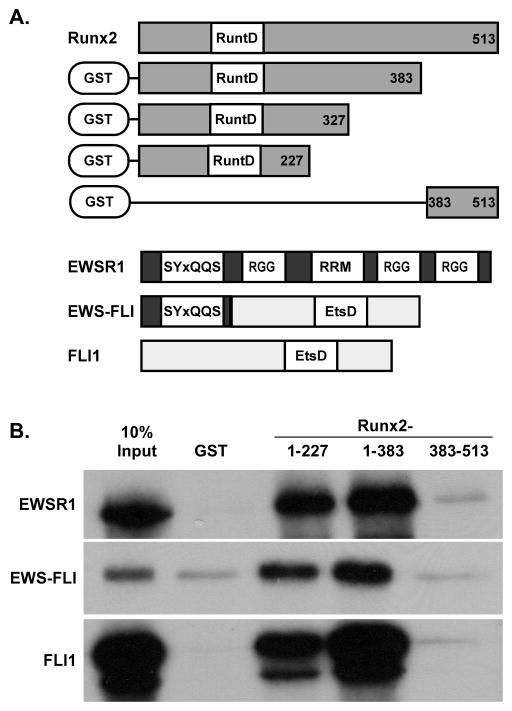
Figure 1
Figure 1. EWSR1, EWS-FLI and FLI1 Bind to the N-terminus of Runx2
A. Schematic of proteins used in this study. GST: glutathione S transferase tag; RuntD: Runt domain; RRM: RNA recognition motif; EtsD: Ets DNA binding domain. B. GST pulldown assays with GST-Runx2 fusion proteins and radiolabeled EWSR1, EWS-FLI and FLI1.
Figure 2
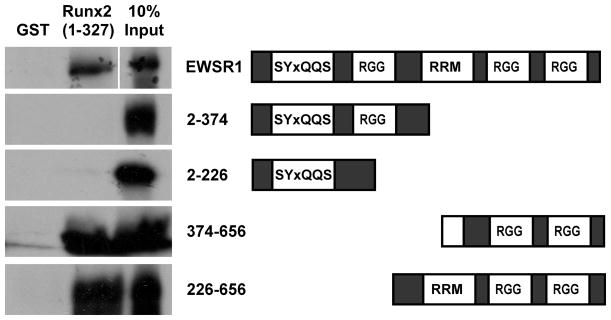
Figure 2. The C-terminus of EWSR1 Binds Runx2
GST pulldown assays with GST or the GST-Runx2 (1–327) fusion proteins and radiolabeled EWSR1 proteins.
Figure 3
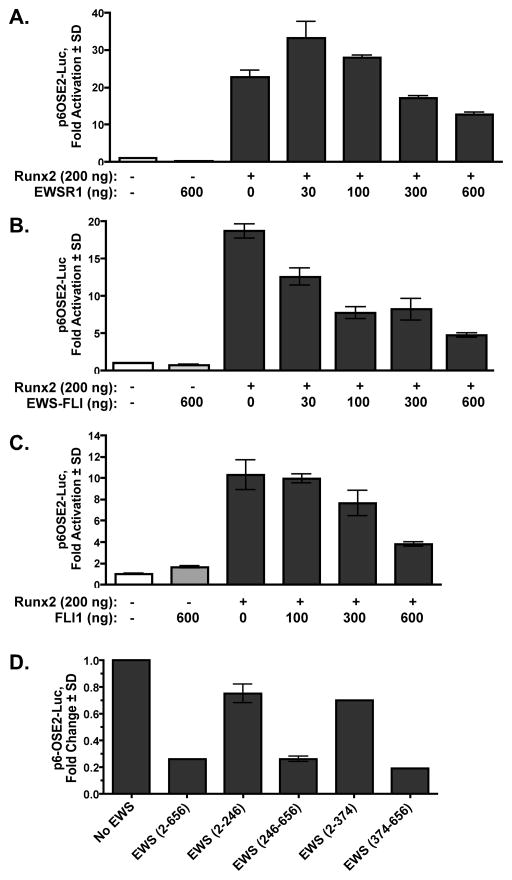
Figure 3. EWSR1, EWS-FLI and FLI1 Inhibit Runx2-Transactivation
C2C12 cells were transiently transfected with p6OSE-Luc, pRL-Luc, pCMV-Runx2 (MASNSL isoform) and the indicated amounts of CMV-Myc-EWSR1 (A), -Flag-EWS-FLI (B), or –Flag-FLI (C). In (D) EWSR1 and Runx2 expression plasmids (300 ng each) were added as indicated. An empty CMV expression vector was added as necessary to equalize plasmid levels during the transfection. Firefly luciferase expression was normalized to Renilla luciferase levels. Values represent the mean of triplicate samples ± SD. Data are representative of at least three independent experiments.
Figure 4
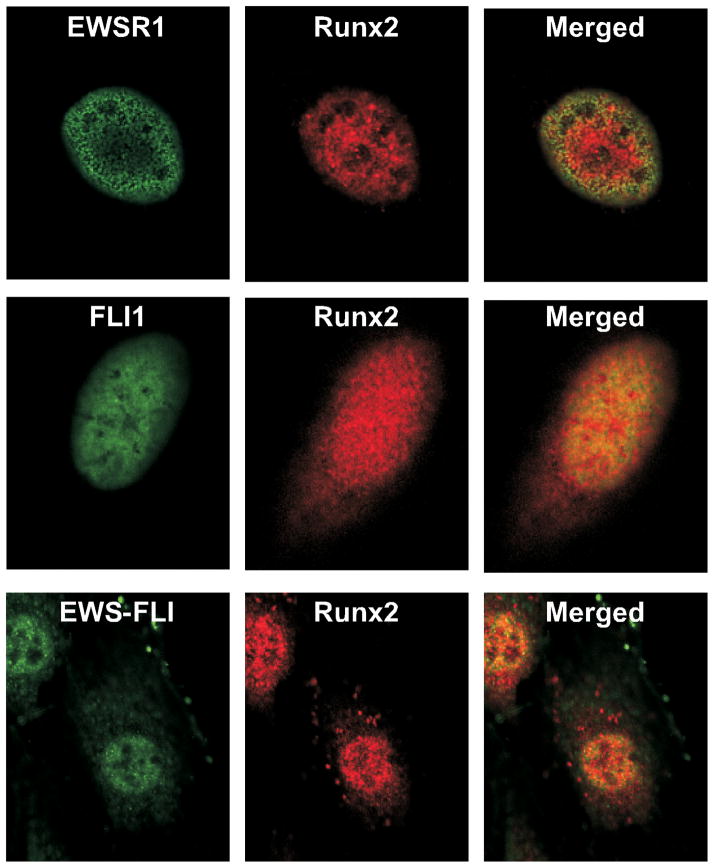
Figure 4. EWS-FLI and FLI1, but not EWSR1, co-localize with Runx2 in Cell Nuclei
A and B) U2-OS cells were transiently transfected with pCMV-Myc-EWSR1 (A) or –FLAG-FLI1. The exogenous EWSR1 or FLI1 protein and endogenous Runx2 were detected by confocal microscopy. C. C2C12 cells stably expressing FLAG-EWS-FLI and endogenous Runx2 were examined by confocal microscopy.
Figure 5
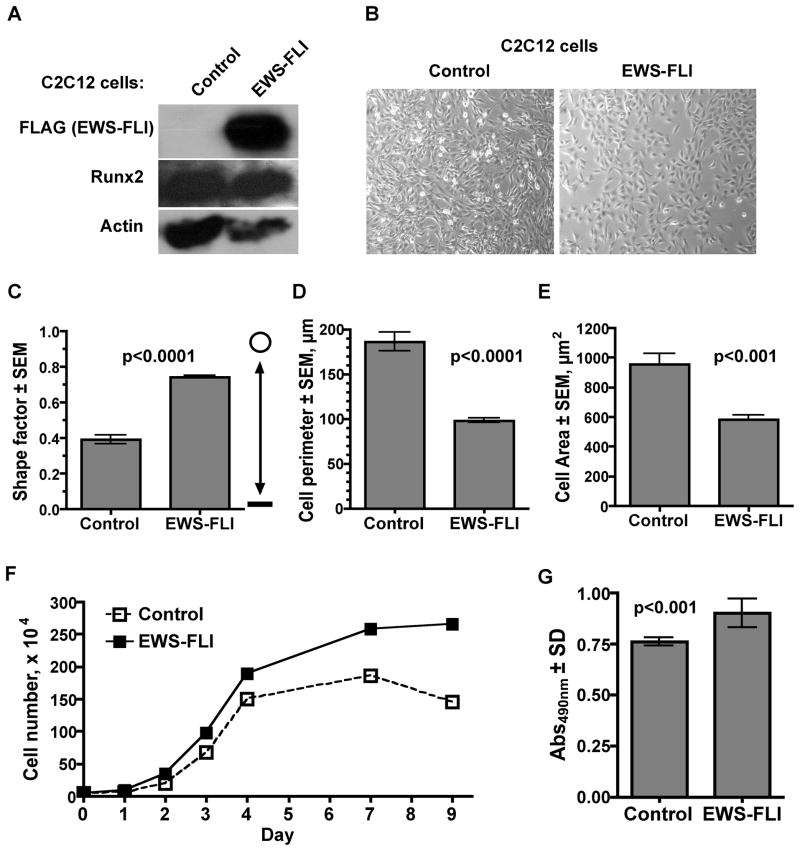
Figure 5. EWS-FLI Alters C2C12 Cell Morphology and Increases Proliferation
A. Western blot analysis of C2C12 cells transduced with MSCV-Hygro (Control) or MSCV-FLAG-EWS-FLI. Blots were incubated with antibodies recognizing FLAG, Runx2 or Actin. B. Light microscopy images of cells transduced with the Control MSCV virus or EWS-FLI after hygromycin selection. C. The Shape Factor of 50 cells in populations of Control and EWS-FLI C2C12 cells was determined by image analysis. A value of 1 represents a perfect circle and 0 equals a straight line. The perimeters (D) and areas (E) of 50 cells were also measured with image analysis software. F. EWS-FLI increase cells proliferation. C2C12 cells were plated at a starting density of 5×10⁴ cells/well and counted at the indicated times. Values represent the mean of four wells and are representative of three experiments. Standard error bars are too small to be seen. G. MTT assays demonstrate that metabolic activity is increased in EWS-FLI expressing cells. Values represent the mean of four samples and are representative of three experiments. P values were determined with unpaired student’s t tests.
Figure 6
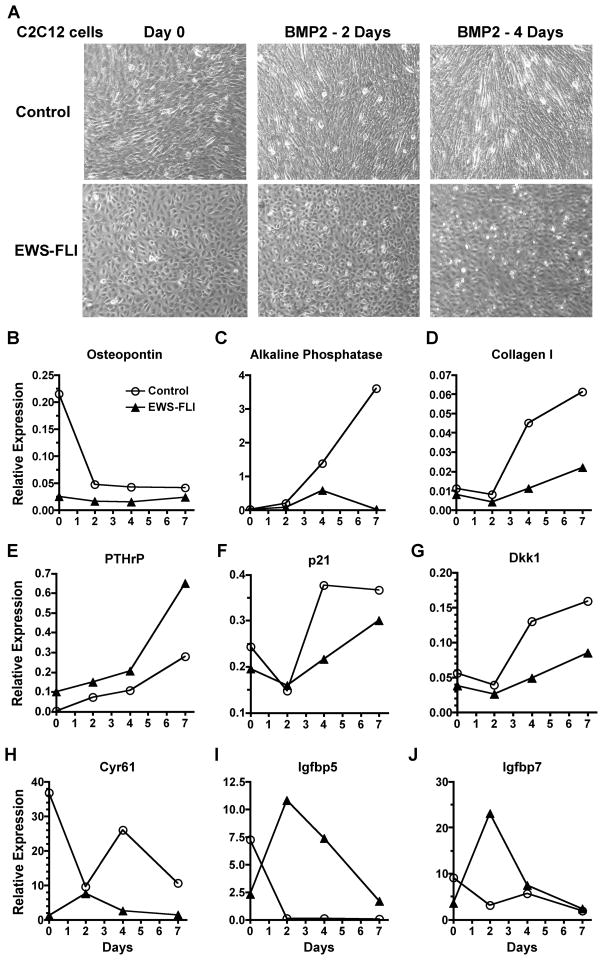
Figure 6. EWS-FLI Delays BMP2-Induced C2C12 Osteoblast Differentiation
A. Light microscopy images of confluent C2C12 Control and EWS-FLI expressing cells that were treated with osteogenic medium and BMP2 for 0, 2 or 4 days. The EWS-FLI cells retain the rounder shape throughout differentiation. B-J. The effects of EWS-FLI on the gene expression during the course of BMP-2 induced osteogenic differentiation were measured by RT-PCR. Transcript levels for the specified genes were normalized to the reference gene YWHAZ with the 2−ΔΔCT method.

References

    1. Afzal F, Pratap J, Ito K, Ito Y, Stein JL, van Wijnen AJ, Stein GS, Lian JB, Javed A. Smad function and intranuclear targeting share a Runx2 motif required for osteogenic lineage induction and BMP2 responsive transcription. J Cell Physiol. 2005;204:63–72. - PubMed
    1. Delattre O, Zucman J, Plougastel B, Desmaze C, Melot T, Peter M, Kovar H, Joubert I, de Jong P, Rouleau G, et al. Gene fusion with an ETS DNA-binding domain caused by chromosome translocation in human tumours. Nature. 1992;359:162–5. - PubMed
    1. Eliazer S, Spencer J, Ye D, Olson E, Ilaria RL., Jr Alteration of mesodermal cell differentiation by EWS/FLI-1, the oncogene implicated in Ewing’s sarcoma. Mol Cell Biol. 2003;23:482–92. - PMC - PubMed
    1. Erkizan HV, Kong Y, Merchant M, Schlottmann S, Barber-Rotenberg JS, Yuan L, Abaan OD, Chou TH, Dakshanamurthy S, Brown ML, Uren A, Toretsky JA. A small molecule blocking oncogenic protein EWS-FLI1 interaction with RNA helicase A inhibits growth of Ewing’s sarcoma. Nat Med. 2009;15:750–6. - PMC - PubMed
    1. Erkizan HV, Uversky VN, Toretsky JA. Oncogenic Partnerships: EWS-FLI1 Protein Interactions Initiate Key Pathways of Ewing’s Sarcoma. Clin Cancer Res 2010 - PMC - PubMed

Publication types

MeSH terms

Substances

LinkOut - more resources