


Treatment of traumatic carotid-cavernous fistula
- PMID: 20667206
- PMCID: PMC3679701
- DOI: 10.1177/159101990000600402
Treatment of traumatic carotid-cavernous fistula
Abstract
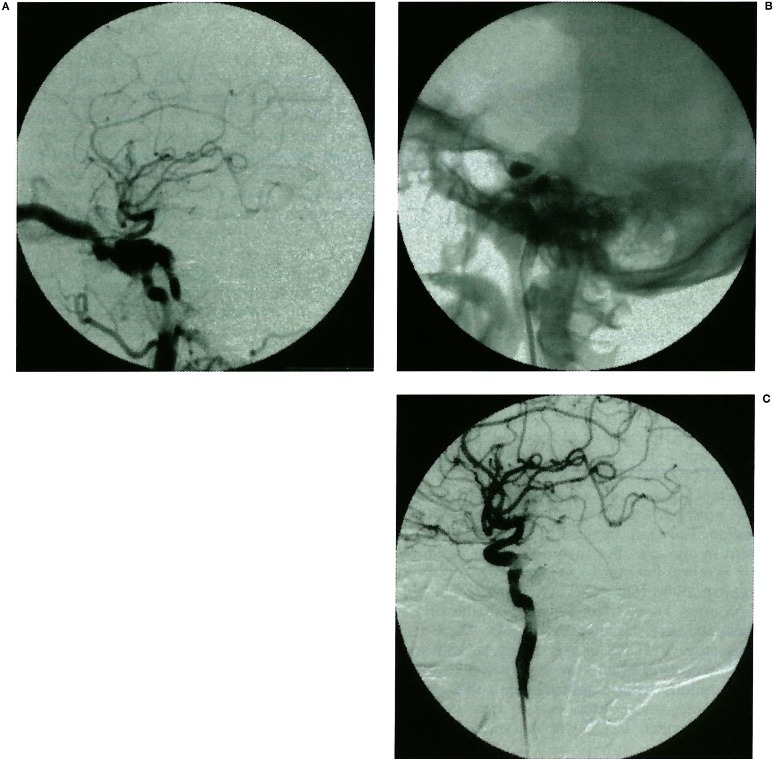
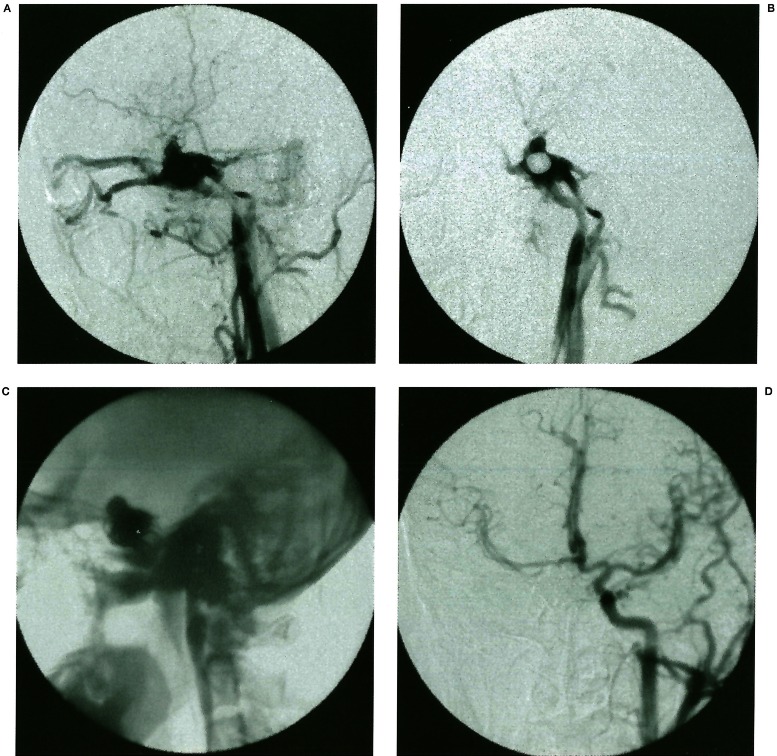
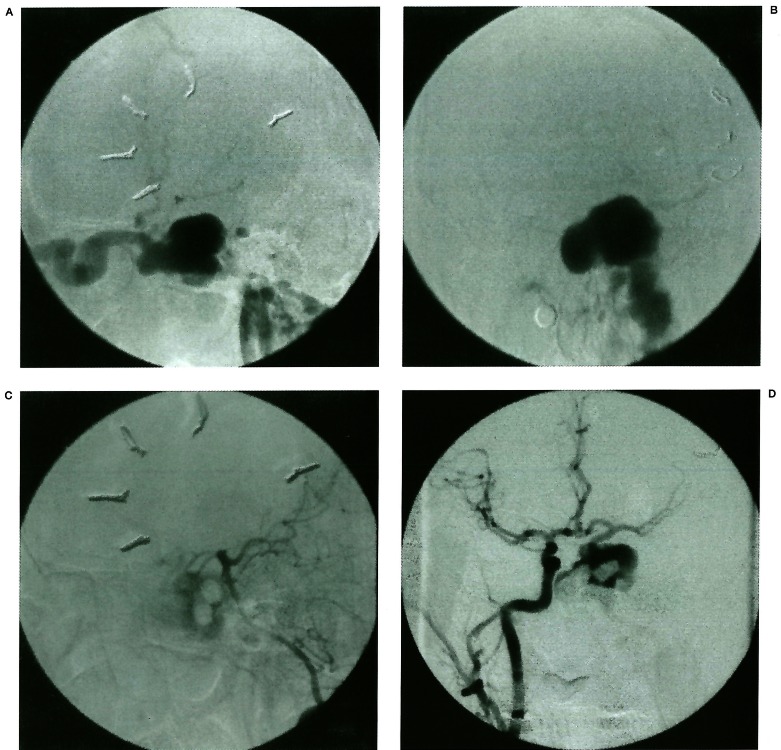
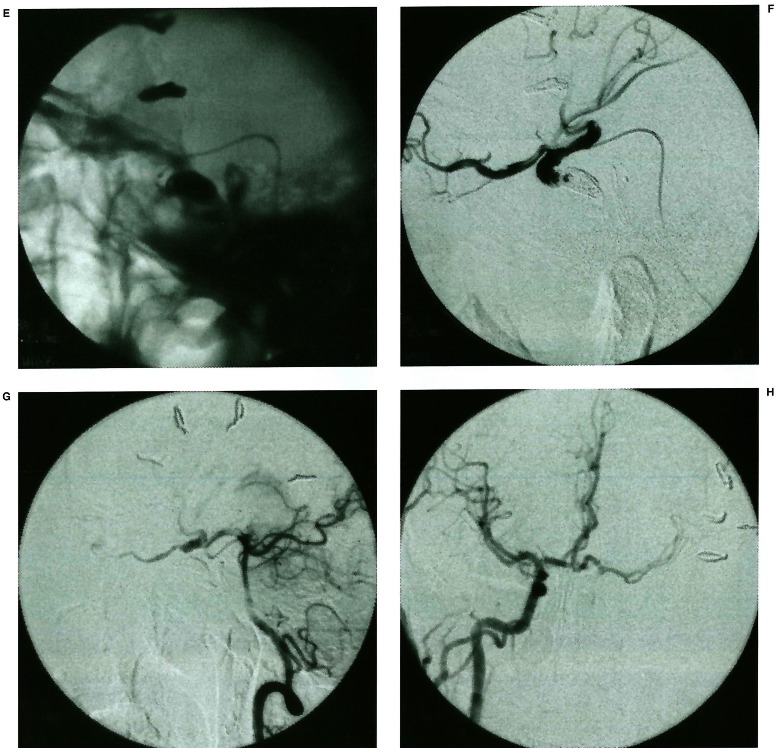
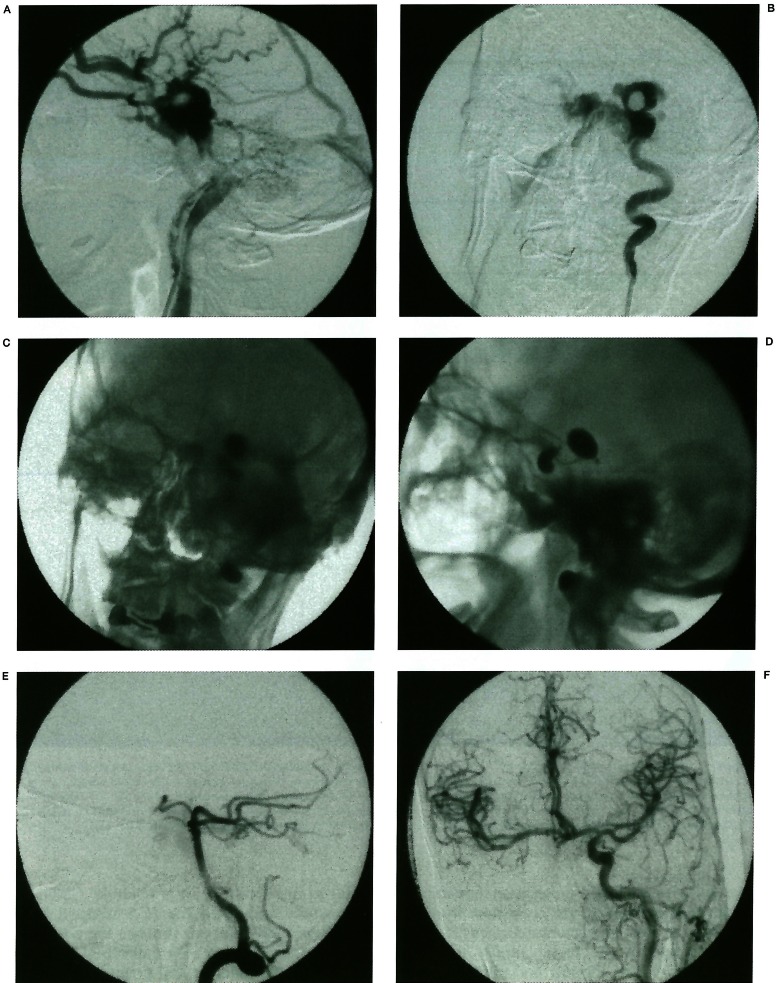
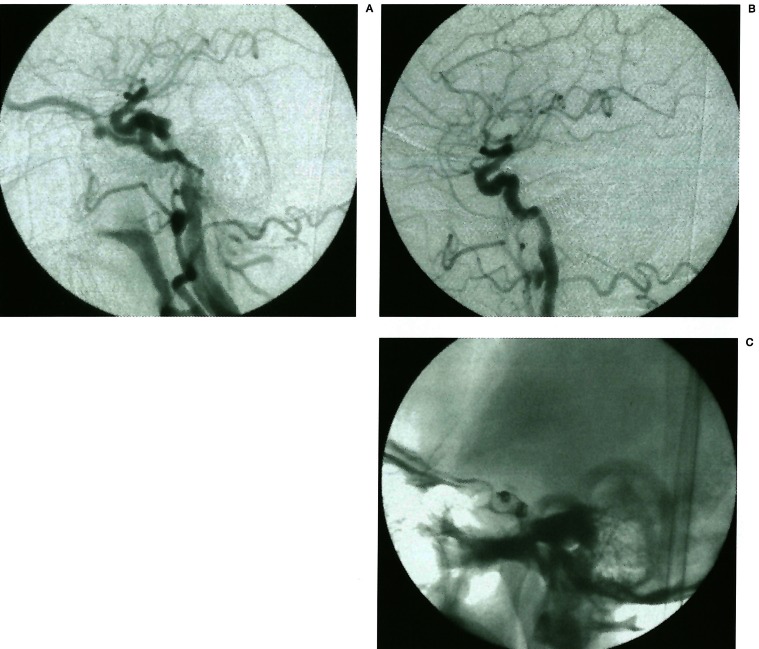
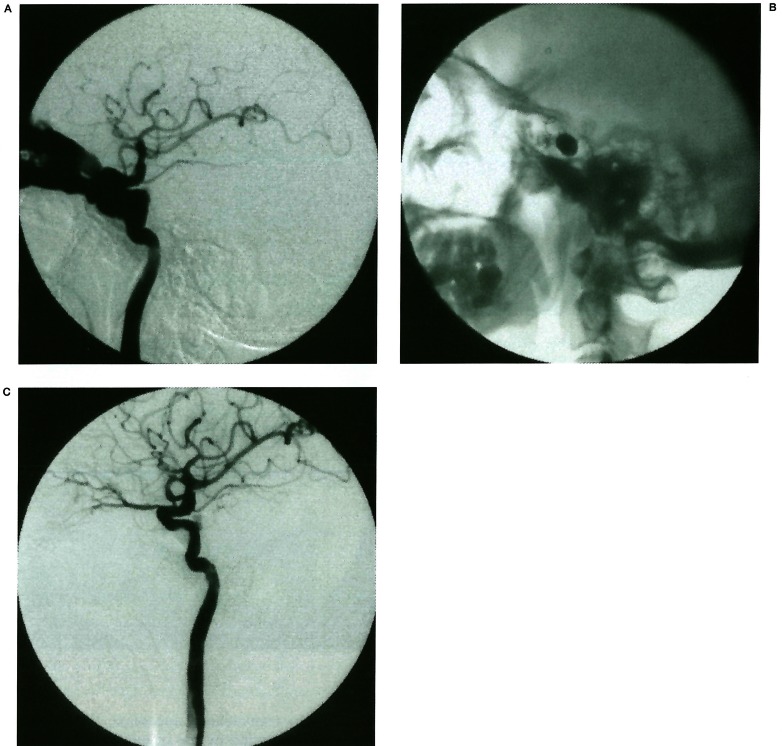
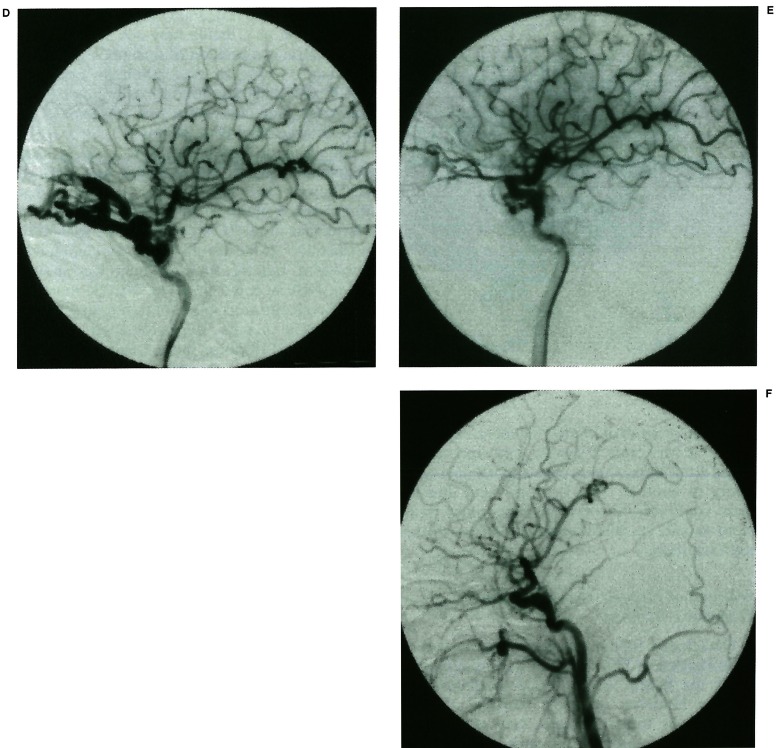
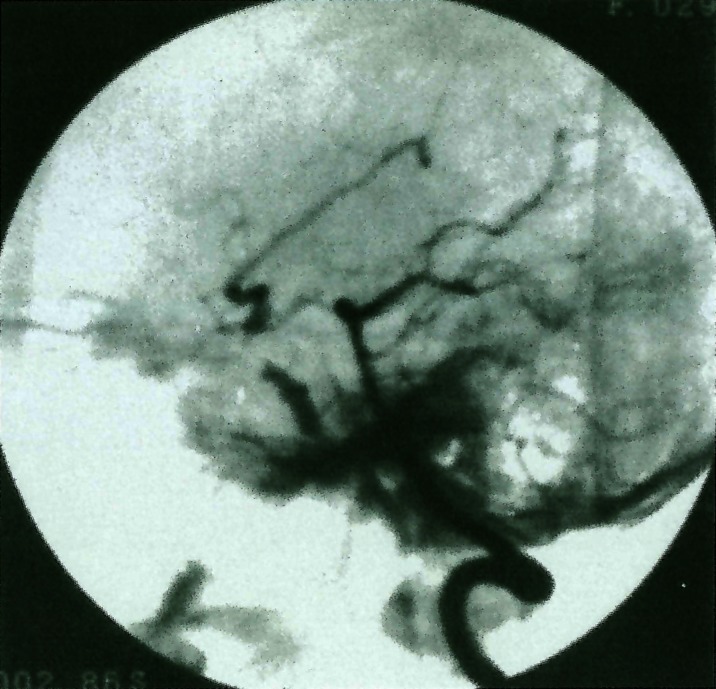
From 1986 to the end of 1998, 482 cases of traumatic carotid-cavernous fistula (TCCF) were treated by means of intravascular embolisation technique. The experience is overviewed in this article. Many kinds of detachable balloon catheters (including Chinese made detachable balloon catheters), coils and cyanoacrylate were used as embolic materials. Transcervical, transfemoral, anterior communicating artery, posterior communicating artery approach, or transvenous approach were selected according to conditions. A combination of different approaches or materials was used for complex TCCF. We found that the special sign, named "bileakage sign", indicated multileakage of TCCF and was not mentioned before.All 482 cases of TCCF were embolised successfully, of which 405 cases maintained the patency of internal carotid artery (ICA). No death related to the treatment occurred in our group and the symptoms or signs in 462 cases were relieved after embolisation. Emergency embolisation was needed in some conditions such as serious epistaxis, delayed or repeatedly subdural haematoma and rapid visual impairment. Endovascular treatment of TCCF is a safe and efficient method. The time of operation, approach, and materials for embolisation must be carefully selected in order to obtain the best result.
Figures
References
-
- Prolo DJ, Hanberry JW. Intraluminal occlusion of a carotid cavernous sinus fistula with a balloon catheter: Technical note. J Neurosurg. 1971;35:237–242. - PubMed
-
- Parkinson D. Carotid cavernous fistula: Direct repair with preservation of the carotid. J Neurosurg. 1973;38:99–106. - PubMed
-
- Serbinento FA. Balloon catheterization and occlusion of major cerebral vessels. J Neurosurg. 1974;41:125–145. - PubMed
-
- Cervigon EC, Bien S, et al. Treatment of a recurrent traumatic carotid-cavernous fistula: Vertebro-basilar approach after surgical occlusion of the internal carotid artery. Neuroradiological. 1998;30:355–357. - PubMed
-
- Lewis AL, Tomsick TA, et al. Management of 100 consecutive direct carotid-cavernous fistulas: results of treatment with detachable balloons. Neurosurgery. 1995;36:239–245. - PubMed
LinkOut - more resources
Full Text Sources
Miscellaneous
