


Successful cognitive and emotional aging
- PMID: 20671889
- PMCID: PMC2912035
- DOI: 10.1002/j.2051-5545.2010.tb00277.x
Successful cognitive and emotional aging
Abstract
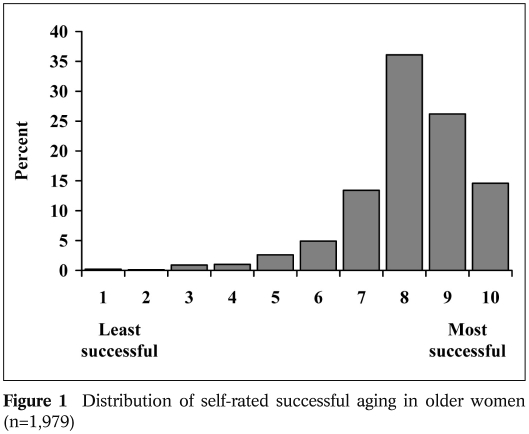
We review the definitions, determinants, and ways of enhancing successful cognitive and emotional aging. Objective definitions of successful aging based on physical health emphasize outcomes including freedom from disability and disease, whereas subjective definitions center on well-being, social connectedness, and adaptation. Most older people do not meet objective criteria for successful aging, while a majority meet the subjective criteria. Older people with severe mental illness are not excluded from successful aging. The determinants of successful aging include complex interactions of lifestyle behaviors and social environment with genes. Depression interferes with nearly all determinants of successful aging. Evidence-based means of enhancing successful aging include calorie restriction, physical exercise, cognitive stimulation, social support, and optimization of stress. Future directions for successful aging research and implications for geriatric psychiatry are discussed.
Keywords: Successful aging; cognitive stimulation; physical exercise; social support.
References
-
- Administration on Aging. The road to an aging policy for the 21st century. Washington: White House Conference on Aging; 1996.
-
- Jeste DV, Alexopoulos GS, Bartels SJ. Consensus statement on the upcoming crisis in geriatric mental health: research agenda for the next two decades. Arch Gen Psychiatry. 1999;56:848–853. - PubMed
-
- Havighurst RJ. Successful aging. Gerontologist. 1961;1:8–13.
-
- Chandler AR. Aristotle on mental aging. J Gerontol. 1948;3:220–224. - PubMed
-
- Cicero MT. On old age. Kila: Kessinger; 2004.
Grants and funding
LinkOut - more resources
Full Text Sources
