


Obesogenic high fat western diet induces oxidative stress and apoptosis in rat heart
- PMID: 20676734
- PMCID: PMC3656656
- DOI: 10.1007/s11010-010-0546-y
Obesogenic high fat western diet induces oxidative stress and apoptosis in rat heart
Abstract
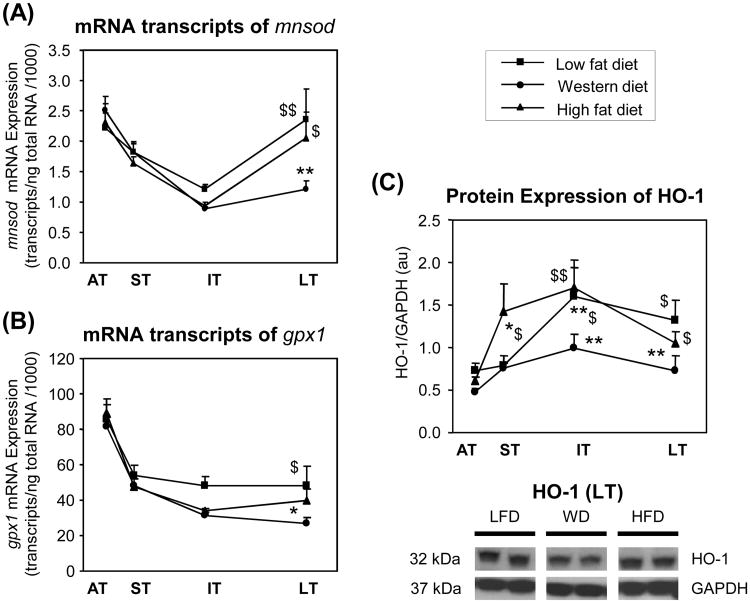
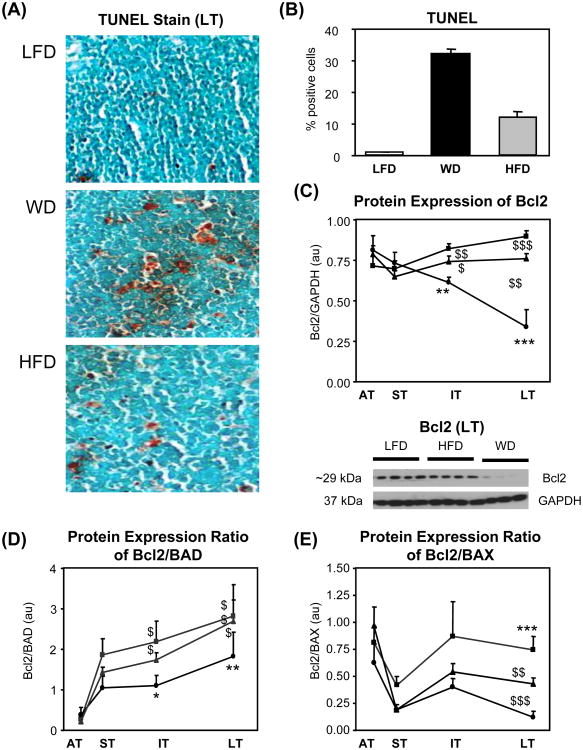
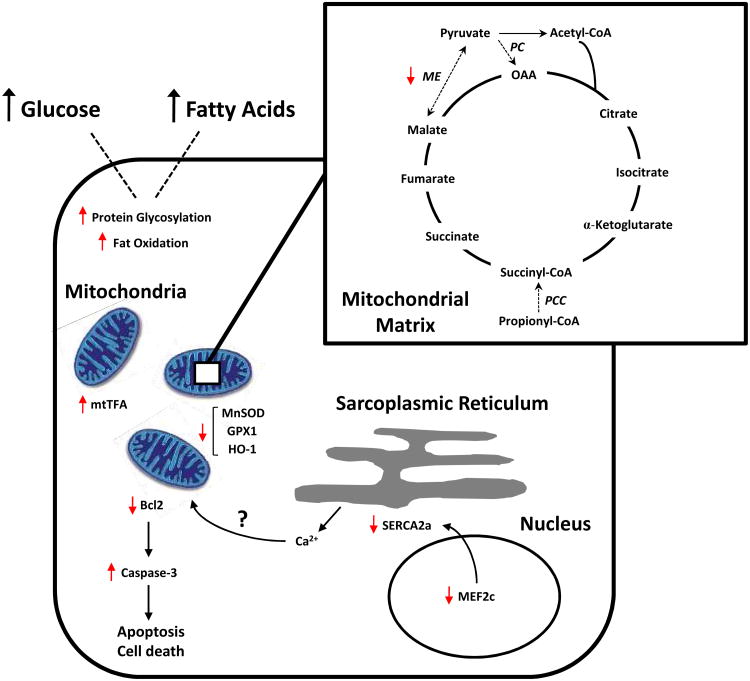
Feeding Wistar rats a high calorie "Western" diet (45% fat) for up to 48 weeks induces obesity and cardiac dysfunction, while a high fat diet (60% fat) induces obesity only. Here we investigated the molecular "footprints" of the two forms of diet-induced obesity in the heart. In rats fed Western diet for a long term, cardiac mRNA transcript levels of malic enzyme were decreased (-72%, P < 0.05), suggesting impaired anaplerotic flux of the Krebs cycle (KC) and mitochondrial dysfunction. In addition, there was a marked decrease in the expression of the transcription factor MEF2C (myocyte enhancer factor 2C) and its target gene SERCA2a (sarco-endo-plasmic reticulum Ca(2+)-ATPase). Oxidative stress was reflected in reduced transcript levels of manganese superoxide dismutase, glutathione peroxidase 1, and increased protein levels of mitochondrial transcription factor A, suggesting compensatory mitochondrial biogenesis in the face of increased mitochondrial damage. Oxidant injury was accompanied by increased protein glycosylation, increased transcript levels of glutamine fructose 6-phosphate amidotransferase 2, and decreased protein levels of acetyl Co-A carboxylase. Lastly, apoptosis was evident by TUNEL positivity and elevated mRNA transcript levels and activity of caspase 3. Consistent with these results, protein levels of Bcl2 were markedly reduced. We conclude that inadequate supplementation of KC intermediates due to reduced levels of malic enzyme, downregulation of MEF2C and its target gene SERCA2a, oxidative stress, and programmed cell death are all potential contributors to contractile dysfunction of the heart.
Figures
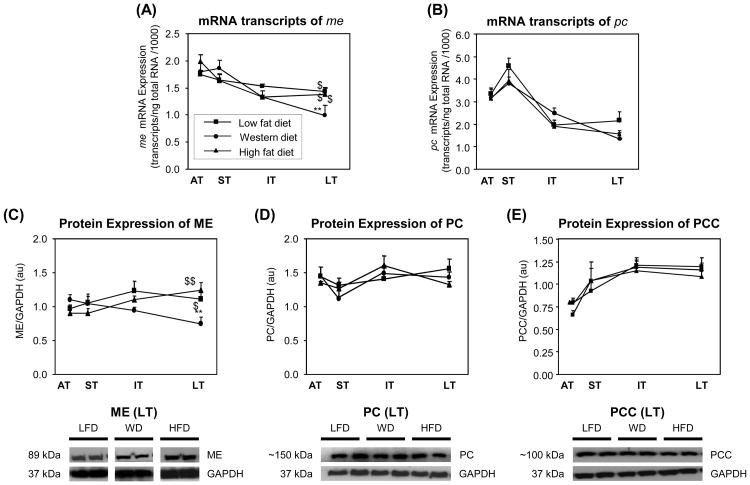
 represent low fat diet, circles
 represent western diet, and triangles
 represent high fat diet. Values are means ± SEM. * p<0.05, ** p<0.01, and *** p<0.001 versus low fat diet at the same age. $ p<0.05., $$p<0.01, and $$$ p<0.001 compared with Western diet at the same age. See text and abbreviations for details.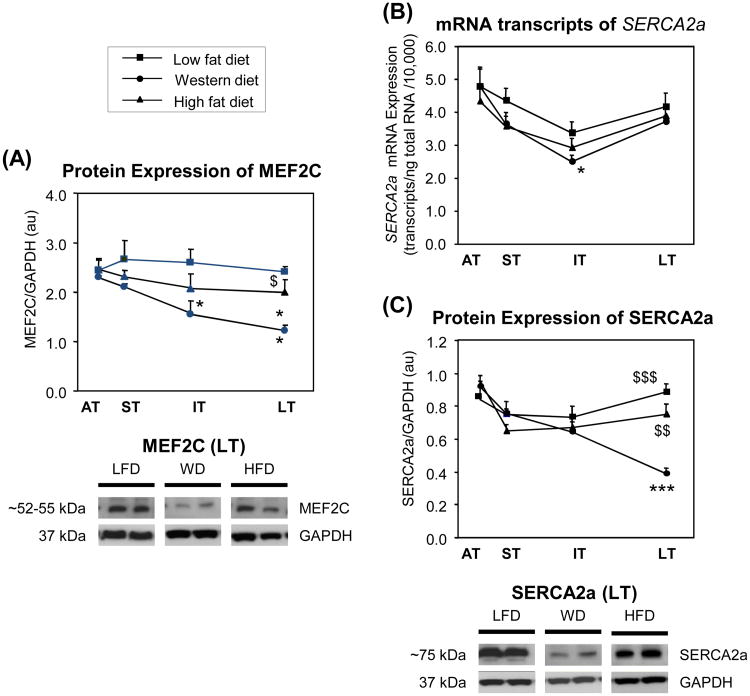
References
-
- Kenchaiah S, Evans JC, Levy D, Wilson PW, Benjamin EJ, Larson MG, Kannel WB, Vasan R. Obesity and the risk of heart failure. N Engl J Med. 2002;347:305–313. - PubMed
-
- Koves TR, Ussher JR, Noland RC, Slentz D, Mosedale M, Ilkayeva O, Bain J, Stevens R, Dyck JR, Newgard CB, Lopaschuk GD, Muoio DM. Mitochondrial overload and incomplete fatty acid oxidation contribute to skeletal muscle insulin resistance. Cell Metab. 2008;7:45–56. - PubMed
-
- Russell RR, Taegtmeyer H. Pyruvate carboxylation prevents the decline in contractile function of rat hearts oxidizing acetoacetate. Am J Physiol. 1991;261:H1756–H1762. - PubMed
-
- Gibala MJ, Young ME, Taegtmeyer H. Anaplerosis of the citric acid cycle: role in energy metabolism of heart and skeletal muscle. Acta Physiol Scand. 2000;168:657–665. - PubMed
Publication types
MeSH terms
Substances
Grants and funding
LinkOut - more resources
Full Text Sources
Medical
Molecular Biology Databases
Research Materials
Miscellaneous
