


Differences in prevalence of self-reported musculoskeletal symptoms among computer and non-computer users in a Nigerian population: a cross-sectional study
- PMID: 20691092
- PMCID: PMC2927507
- DOI: 10.1186/1471-2474-11-177
Differences in prevalence of self-reported musculoskeletal symptoms among computer and non-computer users in a Nigerian population: a cross-sectional study
Abstract
Background: Literature abounds on the prevalent nature of Self Reported Musculoskeletal Symptoms (SRMS) among computer users, but studies that actually compared this with non computer users are meagre thereby reducing the strength of the evidence. This study compared the prevalence of SRMS between computer and non computer users and assessed the risk factors associated with SRMS.
Methods: A total of 472 participants comprising equal numbers of age and sex matched computer and non computer users were assessed for the presence of SRMS. Information concerning musculoskeletal symptoms and discomforts from the neck, shoulders, upper back, elbows, wrists/hands, low back, hips/thighs, knees and ankles/feet were obtained using the Standardized Nordic questionnaire.
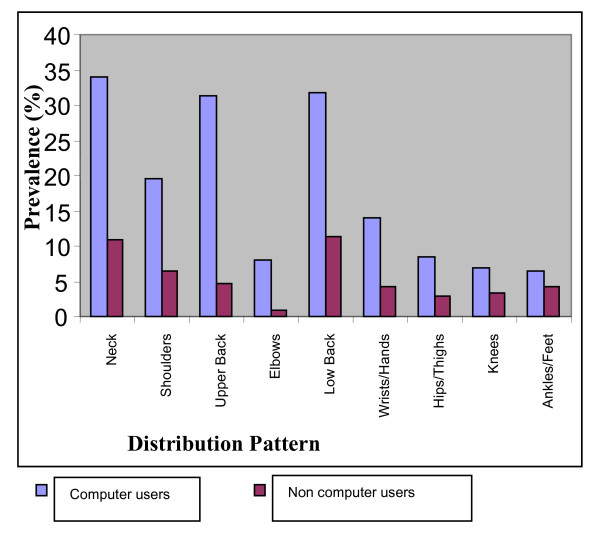
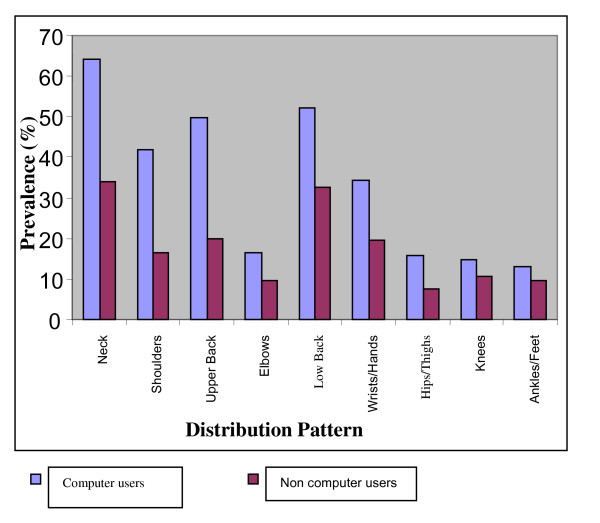
Results: The prevalence of SRMS was significantly higher in the computer users than the non computer users both over the past 7 days (chi2 = 39.11, p = 0.001) and during the past 12 month durations (chi2 = 53.56, p = 0.001). The odds of reporting musculoskeletal symptoms was least for participants above the age of 40 years (OR = 0.42, 95% CI = 0.31-0.64 over the past 7 days and OR = 0.61; 95% CI = 0.47-0.77 during the past 12 months) and also reduced in female participants. Increasing daily hours and accumulated years of computer use and tasks of data processing and designs/graphics significantly (p < 0.05) increased the risk of reporting musculoskeletal symptoms. Over the past 7 day duration, the neck (33.9%) and low back (11.4%) had highest prevalence of SRMS for the computer and non computer users respectively.
Conclusion: The prevalence of SRMS was significantly higher in the computer users than the non computer users and younger age, being male, working longer hours daily, increasing years of computer use, data entry tasks and computer designs/graphics were the significant risk factors for reporting musculoskeletal symptoms among the computer users. Computer use may explain the increase in prevalence of SRMS among the computer users.
Figures
References
-
- Rempel DM, Krause N, Goldberg R, Benner D, Hudes M, Goldner GU. A randomised controlled trial evaluating the effects of two workstation interventions on upper body pain and incident musculoskeletal disorders among computer operators. Occup Environ Med. 2006;63:300–306. doi: 10.1136/oem.2005.022285. - DOI - PMC - PubMed
Publication types
MeSH terms
LinkOut - more resources
Full Text Sources
Medical
Miscellaneous
