


Anti-EMMPRIN antibody treatment of head and neck squamous cell carcinoma in an ex-vivo model
- PMID: 20700044
- PMCID: PMC4052458
- DOI: 10.1097/CAD.0b013e32833d1a11
Anti-EMMPRIN antibody treatment of head and neck squamous cell carcinoma in an ex-vivo model
Abstract
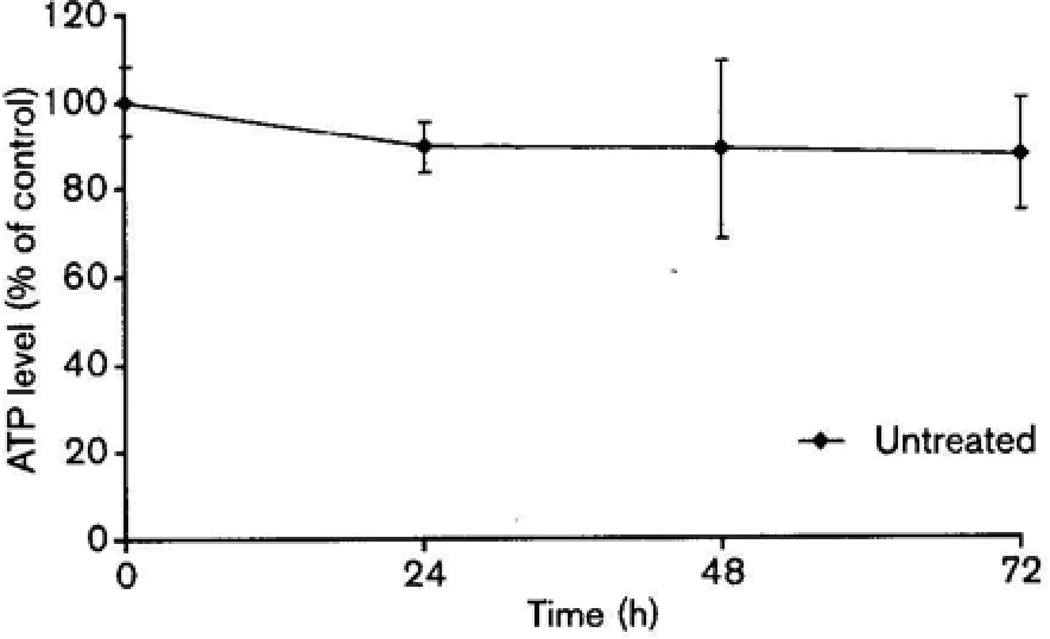
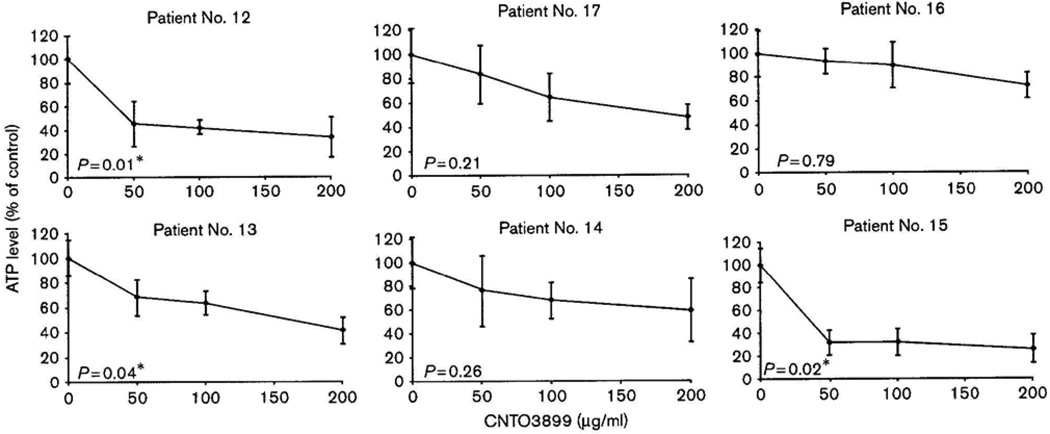
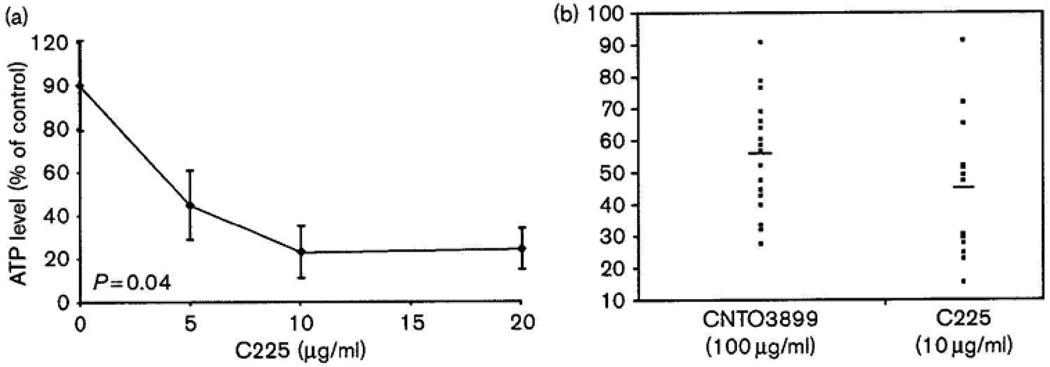
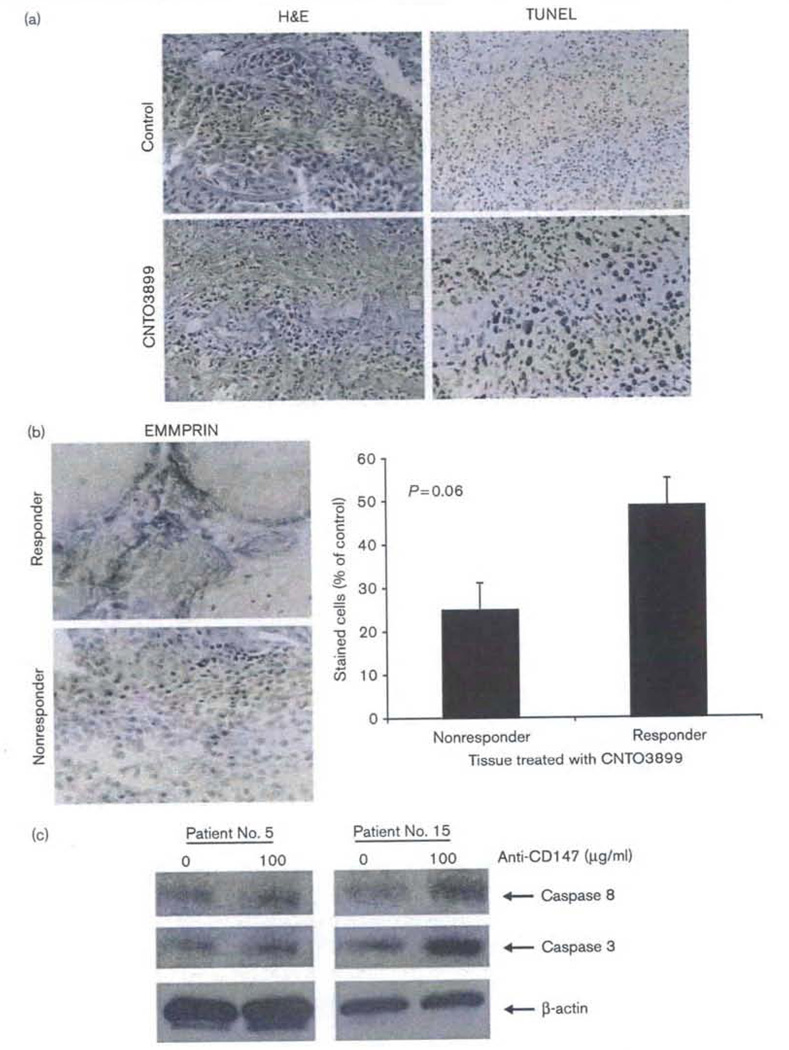
Targeting the molecular pathways associated with carcinogenesis remains the greatest opportunity to reduce treatment-related morbidity and mortality. Extracellular matrix metalloproteinase inducer (EMMPRIN), also known as CD147, is a cell surface molecule known to promote tumor growth and angiogenesis in preclinical studies of head and neck carcinoma making it an excellent therapeutic target. To evaluate the feasibility of anti-EMMPRIN therapy, an ex-vivo human head and neck cancer model was established using specimens obtained at the time of surgery (n=22). Tumor slices were exposed to varying concentrations of anti-EMMPRIN monoclonal antibody and cetuximab for comparison purposes. Cetuximab is the only monoclonal antibody currently approved for the treatment of head and neck carcinoma. After treatment, tumor slices were assessed by immunohistochemistry and western blot analysis for apoptosis (TUNEL) and EMMPRIN expression. Of the tumor specimens 33% showed a significant reduction in mean ATP levels after treatment with cetuximab compared with untreated controls, whereas 58% of the patients responded to anti-EMMPRIN therapy (P<0.05). Samples, which showed reactivity to anti-EMMPRIN, also had greater EMMPRIN expression based on immunohistochemistry staining (49%) when compared with nonresponders (25%, P=0.06). In addition, TUNEL analysis showed a larger number of cells undergoing apoptosis in antibody-treated tumor slices (77%) compared with controls (30%, P<0.001) with activation of apoptotic proteins, caspase 3 and caspase 8. This study shows the potential of anti-EMMPRIN to inhibit proliferation and promote apoptosis and suggests its future role in the targeted treatment of head and neck carcinoma.
Figures
References
-
- Jemal A, Siegel R, Ward E, Murray T, Xu J, Thun MJ. Cancer statistics, 2007. CA Cancer J Clin. 2007;57:43–66. - PubMed
-
- Silverman S., Jr Demographics and occurrence of oral and pharyngeal cancers. The outcomes, the trends, the challenge. J Am Dent Assoc. 2001;132(Suppl):7S–11S. - PubMed
-
- Gold KA, Lee HY, Kim ES. Targeted therapies in squamous cell carcinoma of the head and neck. Cancer. 2009;115:922–935. - PubMed
-
- Bonner JA, De Los Santos J, Waksal HW, Needle MN, Trummel HO, Raisch KR. Epidermal growth factor receptor as a therapeutic target in head and neck cancer. Semin Radiat Oncol. 2002;12:11–20. - PubMed
-
- Bonner JA, Harari PM, Giralt J, Azarnia N, Shin DM, Cohen RB, et al. Radiotherapy plus cetuximab for squamous-cell carcinoma of the head and neck. N Engl J Med. 2006;354:567–578. - PubMed
Publication types
MeSH terms
Substances
Grants and funding
LinkOut - more resources
Full Text Sources
Medical
Research Materials
