


Multifaceted approach to resveratrol bioactivity: Focus on antioxidant action, cell signaling and safety
- PMID: 20716933
- PMCID: PMC2952093
- DOI: 10.4161/oxim.3.2.11147
Multifaceted approach to resveratrol bioactivity: Focus on antioxidant action, cell signaling and safety
Abstract
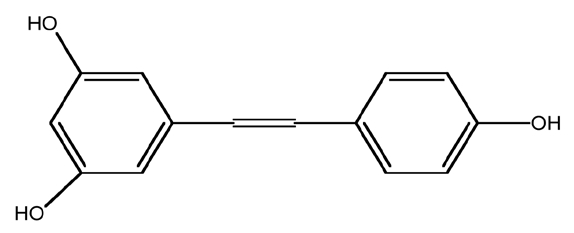
Resveratrol (RVT) is a naturally occurring trihydroxy stilbene that displays a wide spectrum of physiological activity. Its ability to behave therapeutically as a component of red wine has attracted wide attention. The phenol acts as a protective agent involving various body constituents. Most attention has been given to beneficial effects in insults involving cancer, aging, cardiovascular system, inflammation and the central nervous system. One of the principal modes of action appears to be as antioxidant. Other mechanistic pathways entail cell signaling, apoptosis and gene expression. There is an intriguing dichotomy in relation to pro-oxidant property. Also discussed are metabolism, receptor binding, rationale for safety and suggestions for future work. This is the first comprehensive review of RVT based on a broad, unifying mechanism.
Figures
References
-
- Udenigwe CC, Ramprasth VR, Aluko RE, Jones PJ. Potential of resveratrol in anticancer and anti-inflammatory therapy. Nutr Rev. 2008;66:445–454. - PubMed
-
- Kovacic P, Becvar LE. Mode of action of anti-infective agents: emphasis on oxidative stress and electron transfer. Curr Pharm Des. 2000;6:143–167. - PubMed
-
- Kovacic P, Osuna JA. Mechanisms of anticancer agents: emphasis on oxidative stress and electron transfer. Curr Pharm Des. 2000;6:277–309. - PubMed
-
- Kovacic P, Jacintho JD. Mechanism of carcinogenesis: focus on oxidative stress and electron transfer. Curr Med Chem. 2001;8:773–796. - PubMed
-
- Kovacic P, Jacintho JD. Reproductive toxins: pervasive theme of oxidative stress and electron transfer. Curr Med Chem. 2001;8:863–892. - PubMed
Publication types
MeSH terms
Substances
LinkOut - more resources
Full Text Sources
Other Literature Sources
Medical
