


In a mouse model relevant for post-traumatic stress disorder, selective brain steroidogenic stimulants (SBSS) improve behavioral deficits by normalizing allopregnanolone biosynthesis
- PMID: 20716970
- PMCID: PMC2942072
- DOI: 10.1097/FBP.0b013e32833d8ba0
In a mouse model relevant for post-traumatic stress disorder, selective brain steroidogenic stimulants (SBSS) improve behavioral deficits by normalizing allopregnanolone biosynthesis
Abstract
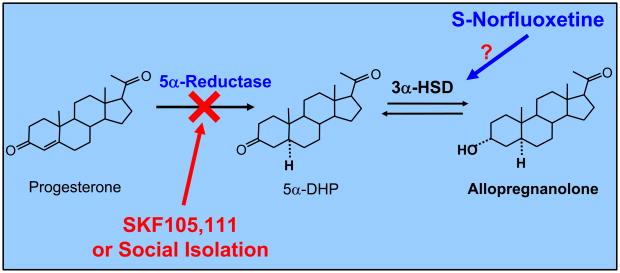
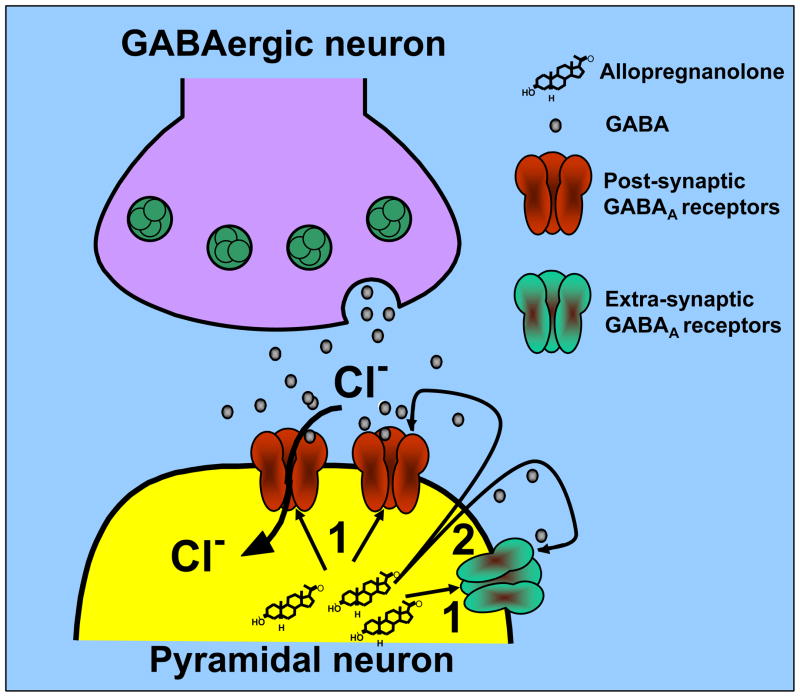
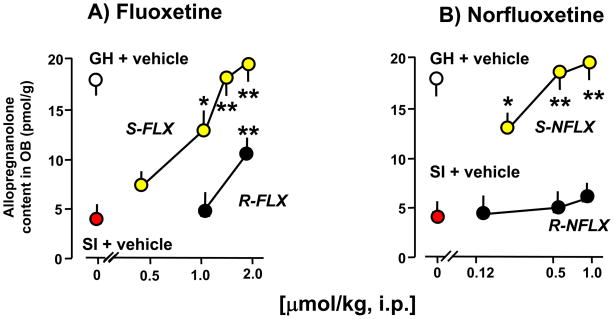
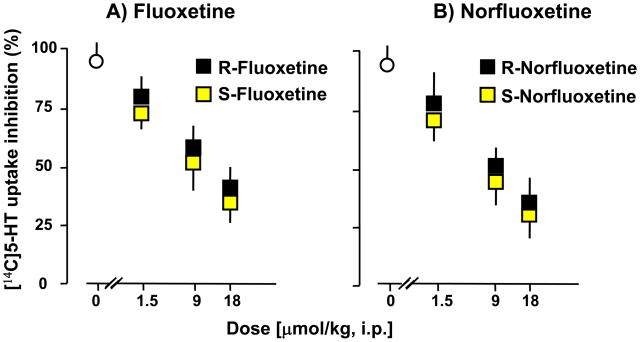
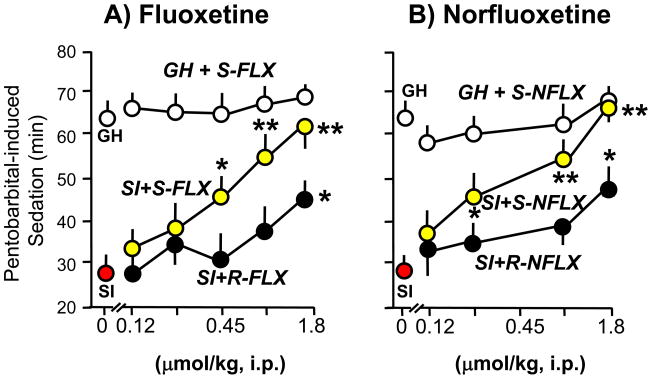
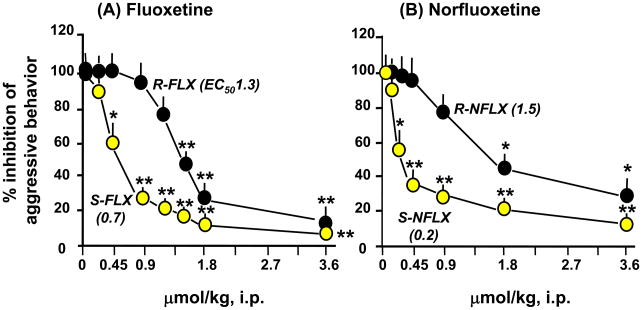
The pathophysiological role of the neurosteroid 3alpha-hydroxy-5alpha-pregnan-20-one (allopregnanolone) in neuropsychiatric disorders has been highlighted in several recent investigations. For instance, allopregnanolone levels are decreased in the CSF of patients with post-traumatic stress disorder (PTSD) and major unipolar depression. Neurosteroidogenic antidepressants, including fluoxetine and analogs, correct this decrease in a manner that correlates with improved depressive symptoms. PTSD-like behavioral dysfunctions, including heightened aggression, exaggerated fear, and anxiety-like behavior associated with a decrease in corticolimbic allopregnanolone content are modeled in mice by protracted social isolation stress. Allopregnanolone is not only synthesized by principal glutamatergic and gamma-aminobutyric acid (GABA)ergic neurons, but also locally, potently, positively, and allosterically modulates GABA action at postsynaptic and extrasynaptic GABAA receptors. Hence, this paper will review preclinical studies, which show that in socially isolated mice, rather than selective serotonin reuptake inhibitor mechanisms, allopregnanolone biosynthesis in glutamatergic corticolimbic neurons offers a nontraditional target for fluoxetine to decrease signs of aggression, normalize fear responses, and decrease anxiety-like behavior. At low selective serotonin reuptake inhibitor-inactive doses, fluoxetine and related congeners potently increase allopregnanolone levels by acting as potent selective brain steroidogenic stimulants (SBSS), thereby facilitating GABAA receptor neurotransmission and improving behavioral dysfunctions. Although the precise molecular mechanisms that underlie the action of these drugs are not fully understood, findings from socially isolated mice may ultimately generate insights into novel drug targets for the treatment of psychiatric disorders, such as anxiety and panic disorders, depression, and PTSD.
Figures
References
-
- Agis-Balboa RC, Guidotti A, Whitfield H, Pinna G. 2010 Neuroscience Meeting Planner. San Diego, CA: Society for Neuroscience; 2010. Allopregnanolone biosynthesis is downregulated in the prefrontal cortex/Brodmann’s area 9 (BA9) of depressed patients.
Publication types
MeSH terms
Substances
Grants and funding
LinkOut - more resources
Full Text Sources
Medical
