


A critical review of naphthalene sources and exposures relevant to indoor and outdoor air
- PMID: 20717549
- PMCID: PMC2922736
- DOI: 10.3390/ijerph7072903
A critical review of naphthalene sources and exposures relevant to indoor and outdoor air
Erratum in
- Int J Environ Res Public Health. 2011 Aug;8(8):3191
Abstract
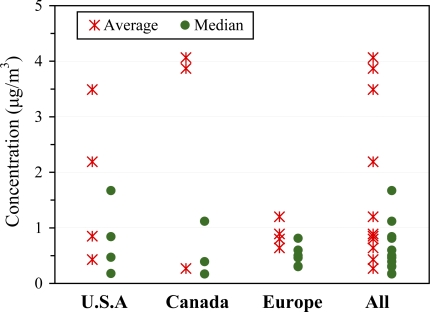
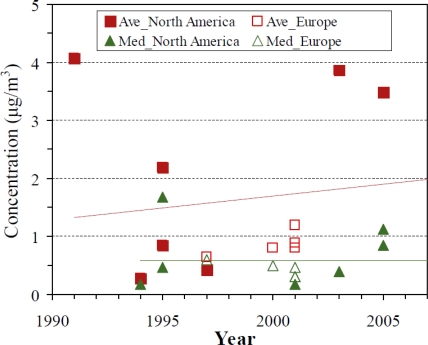
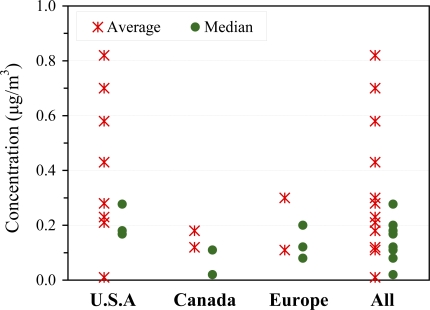
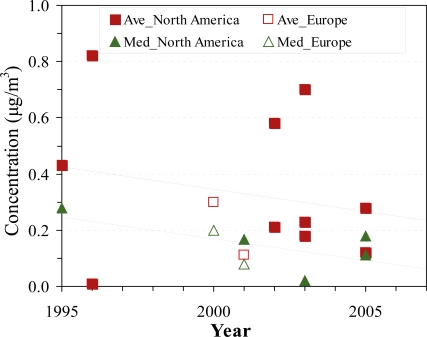
Both the recent classification of naphthalene as a possible human carcinogen and its ubiquitous presence motivate this critical review of naphthalene's sources and exposures. We evaluate the environmental literature on naphthalene published since 1990, drawing on nearly 150 studies that report emissions and concentrations in indoor, outdoor and personal air. While naphthalene is both a volatile organic compound and a polycyclic aromatic hydrocarbon, concentrations and exposures are poorly characterized relative to many other pollutants. Most airborne emissions result from combustion, and key sources include industry, open burning, tailpipe emissions, and cigarettes. The second largest source is off-gassing, specifically from naphthalene's use as a deodorizer, repellent and fumigant. In the U.S., naphthalene's use as a moth repellant has been reduced in favor of para-dichlorobenzene, but extensive use continues in mothballs, which appears responsible for some of the highest indoor exposures, along with off-label uses. Among the studies judged to be representative, average concentrations ranged from 0.18 to 1.7 microg m(-3) in non-smoker's homes, and from 0.02 to 0.31 microg m(-3) outdoors in urban areas. Personal exposures have been reported in only three European studies. Indoor sources are the major contributor to (non-occupational) exposure. While its central tendencies fall well below guideline levels relevant to acute health impacts, several studies have reported maximum concentrations exceeding 100 microg m(-3), far above guideline levels. Using current but draft estimates of cancer risks, naphthalene is a major environmental risk driver, with typical individual risk levels in the 10(-4) range, which is high and notable given that millions of individuals are exposed. Several factors influence indoor and outdoor concentrations, but the literature is inconsistent on their effects. Further investigation is needed to better characterize naphthalene's sources and exposures, especially for indoor and personal measurements.
Keywords: air quality; ambient air; exposure; indoor air; naphthalene; personal exposure; residences; risk; volatile organic compound.
Figures
References
-
- CEH . Chemical Economics Handbook, V. 27. SRI International; Menlo Park, CA, USA: 2000.
-
- ATSDR . Toxicological Profile for Naphthalene, 1-methylnaphthalene, and 2-methylnaphthalene. U.S. Department of Health and Human Services, Agency for Toxic Substances and Disease Registry; Atlanta, GA, USA: 2005. pp. 1–291.
-
- NTP . Toxicology and Carcinogenesis Studies of Naphthalene (CAS No 91-20-3) in F344/N Rats (Inhalation Studies) Technical Report Series No 500. National Toxicology Program; Research Triangle Park, NC, USA: 2000. pp. 1–173. - PubMed
-
- US EPA . Compendium Method TO-15, Determination of Volatile Organic Compounds (VOCs) in Air Collected in Specially-Prepared Canisters and Analyzed by Gas Chromatograpy/Mass Spectrometry (GC/MS) U.S. Environmental Protection Agency; Cincinnati, OH, USA: 1999. p. 1.
-
- Price PS, Jayjock MA. Available data on naphthalene exposures: Strengths and limitations. Regul. Toxicol. Pharm. 2008;51:S15–S21. - PubMed
Publication types
MeSH terms
Substances
LinkOut - more resources
Full Text Sources
Other Literature Sources
Medical
