


The chick as a model for the study of the cellular mechanisms and potential therapies for Alzheimer's disease
- PMID: 20721285
- PMCID: PMC2915614
- DOI: 10.4061/2010/180734
The chick as a model for the study of the cellular mechanisms and potential therapies for Alzheimer's disease
Abstract
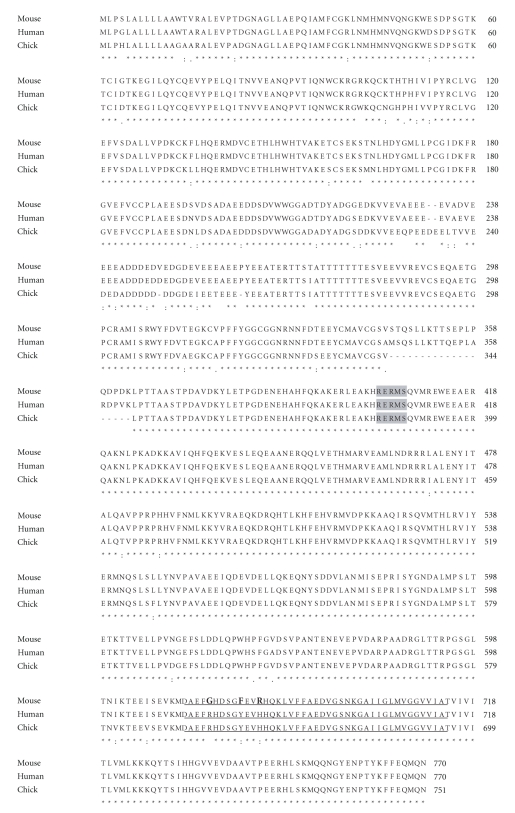
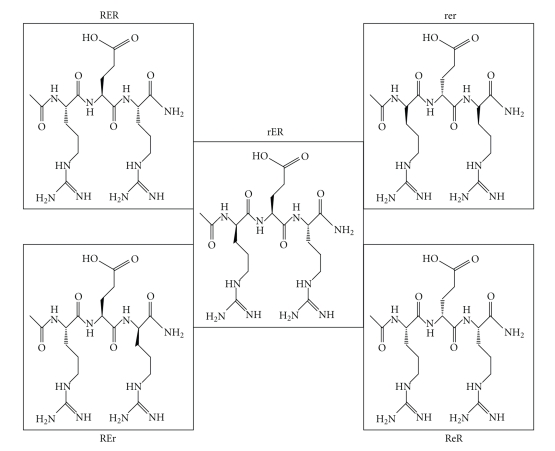
While animal experiments have contributed much to our understanding of the mechanisms of Alzheimer's disease (AD), their value in predicting the effectiveness of treatment strategies in clinical trials has remained controversial. The disparity between the results obtained in animal models and clinical trials may in part be explained by limitations of the models and species-specific differences. We propose that one trial passive avoidance in the day-old chick is a useful system to study AD because of the close sequence homologies of chick and human amyloid precursor protein (APP). In the chick, APP is essential for memory consolidation, and disrupting its synthesis or structure results in amnesia. RER, a tripeptide sequence corresponding to part of the growth domain of APP, can restore memory loss and act as a cognitive enhancer. We suggest that RER and its homologues may form the basis for potential pharmacological protection against memory loss in AD.
Figures
References
-
- Porsolt RD. Animal models of depression: utility for transgenic research. Reviews in the Neurosciences. 2000;11(1):53–58. - PubMed
-
- Kalueff AV, Wheaton M, Murphy DL. What's wrong with my mouse model? Advances and strategies in animal modeling of anxiety and depression. Behavioural Brain Research. 2007;179(1):1–18. - PubMed
-
- Fujii T, Kunugi H. p75NTR as a therapeutic target for neuropsychiatric diseases. Current Molecular Pharmacology. 2009;2(1):70–76. - PubMed
-
- Moisan MP, Ramos A. Rat genomics applied to psychiatric research. Methods in Molecular Biology. 2010;597:357–388. - PubMed
-
- Hart PC, Bergner CL, Smolinsky AN, et al. Experimental models of anxiety for drug discovery and brain research. Methods in Molecular Biology. 2010;602:299–321. - PubMed
LinkOut - more resources
Full Text Sources
