


Concepts for biologically active peptides
- PMID: 20726835
- PMCID: PMC3535498
- DOI: 10.2174/138161210793563491
Concepts for biologically active peptides
Abstract
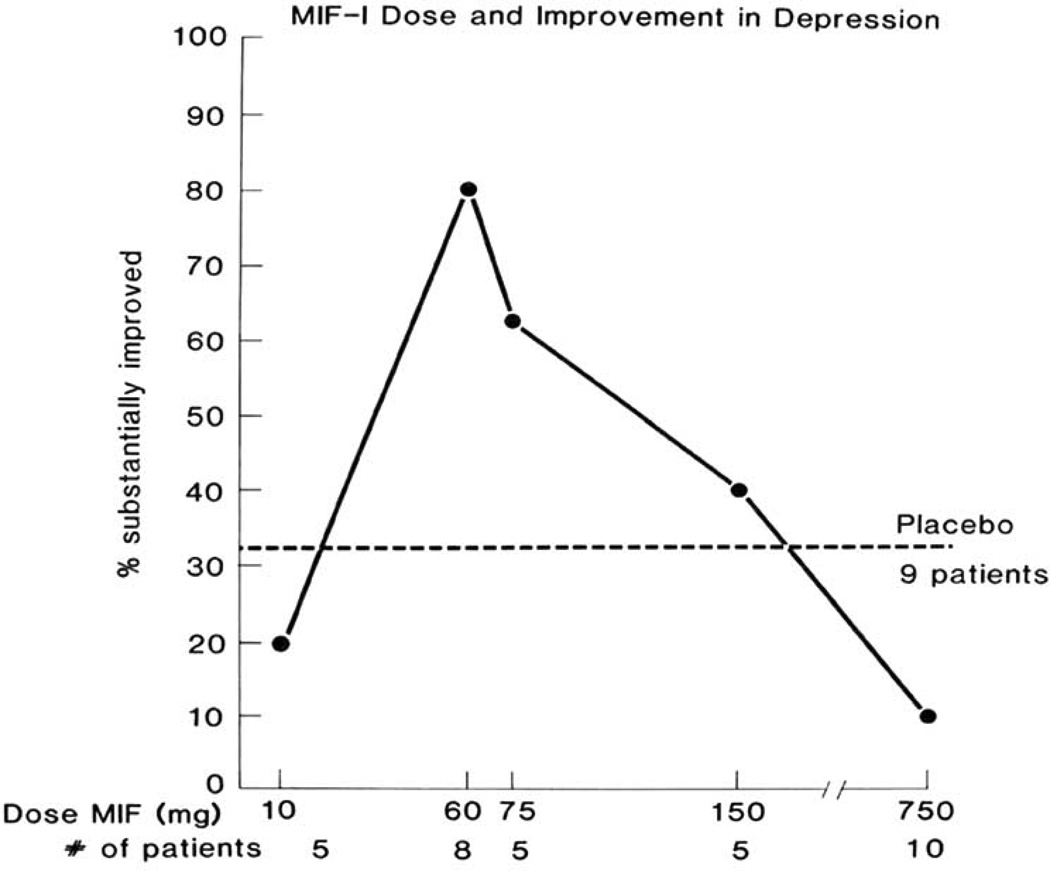
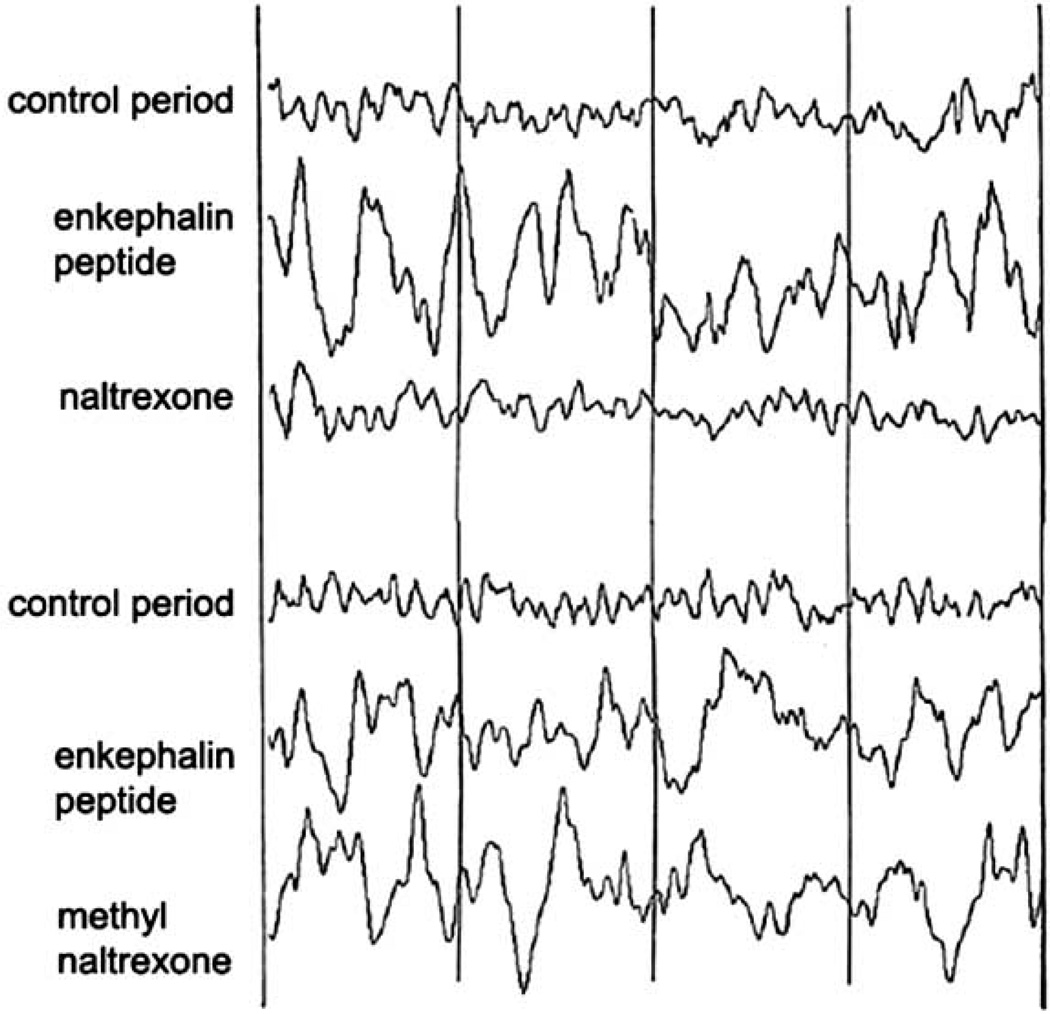
Here we review a unique aspect of CNS research on biologically active peptides that started against a background of prevalent dogmas but ended by exerting considerable influence on the field. During the course of refuting some doctrines, we introduced several concepts that were unconventional and paradigm-shifting at the time. We showed that (1) hypothalamic peptides can act 'up' on the brain as well as 'down' on the pituitary, (2) peripheral peptides can affect the brain, (3) peptides can cross the blood-brain barrier, (4) the actions of peptides can persist longer than their half-lives in blood, (5) perinatal administration of peptides can exert actions persisting into adulthood, (6) a single peptide can have more than one action, (7) dose-response relationships of peptides need not be linear, (8) the brain produces antiopiate as well as opiate peptides, (9) there is a selective high affinity endogenous peptide ligand for the mu-opiate receptor, (10) a peptide's name does not restrict its effects, and (11) astrocytes assume an active role in response to metabolic disturbance and hyperleptinemia. The evolving questions in our laboratories reflect the diligent effort of the neuropeptide community to identify the roles of peptides in the CNS. The next decade is expected to see greater progress in the following areas: (a) interactions of peptides with other molecules in the CNS; (b) peptide involvement in cell-cell interactions; and (c) peptides in neuropsychiatric, autoimmune, and neurodegenerative diseases. The development of peptidomics and gene silencing approaches will expedite the formation of many new concepts in a new era.
Figures
References
-
- Plotnikoff NP, Kastin AJ, Anderson MS, Schally AV. DOPA potentiation by a hypothalamic factor, MSH release-inhibiting hormone (MIF) Life Sci. 1971;10:1279–1283. - PubMed
-
- Kastin AJ, Coy DH, Schally AV, Miller LH. Peripheral administration of hypothalamic peptides results in CNS changes. Pharmacol Res Commun. 1978;10(4):293–312. - PubMed
-
- Ricardo JA, Koh ET. Anatomical evidence of direct projections from the nucleus of the solitary tract to the hypothalamus, amygdala, and other forebrain structures in the rat. Brain Res. 1978;153(1):1–26. - PubMed
-
- Wiegand SJ, Price JL. Cells of origin of the afferent fibers to the median eminence in the rat. J Comp Neurol. 1980;192(1):1–19. - PubMed
-
- Hokfelt T, Johansson O, Ljungdahl A, Lundberg JM, Schultzberg M. Peptidergic neurones. Nature. 1980;284(5756):515–521. - PubMed
Publication types
MeSH terms
Substances
Grants and funding
LinkOut - more resources
Full Text Sources
Other Literature Sources
Research Materials
