


Akt2 deficiency promotes cardiac induction of Rab4a and myocardial β-adrenergic hypersensitivity
- PMID: 20728450
- PMCID: PMC2975863
- DOI: 10.1016/j.yjmcc.2010.08.011
Akt2 deficiency promotes cardiac induction of Rab4a and myocardial β-adrenergic hypersensitivity
Abstract
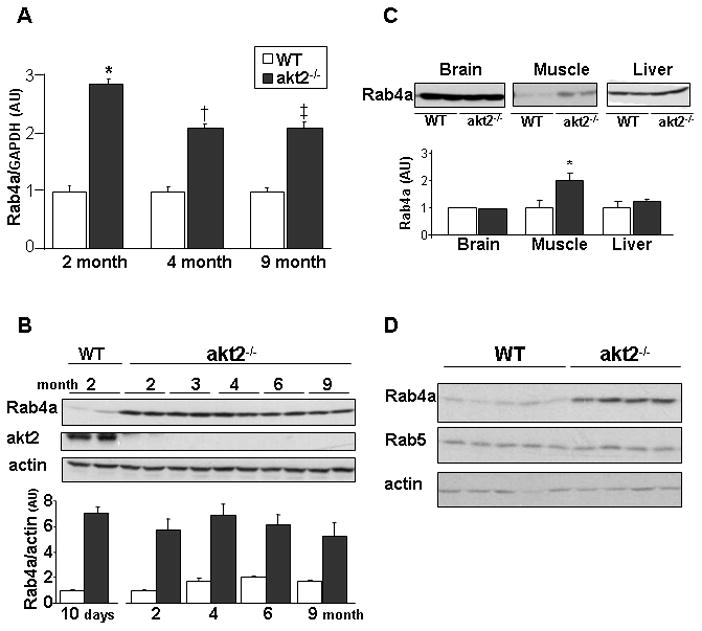
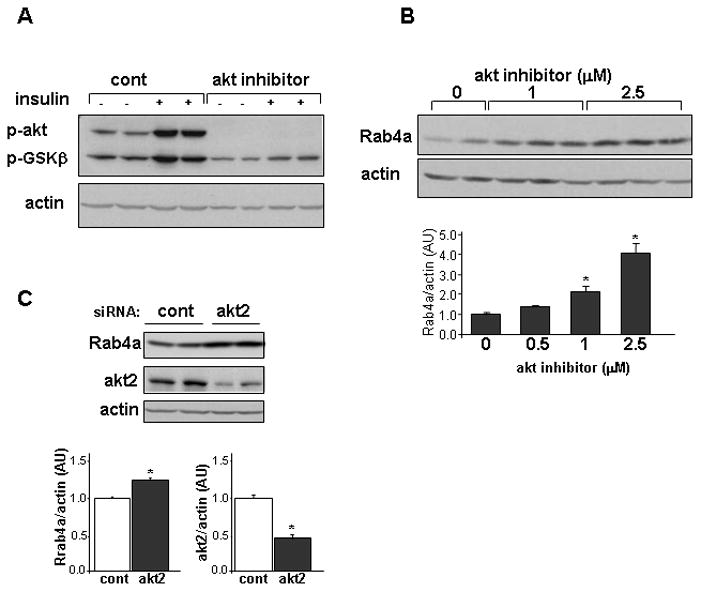
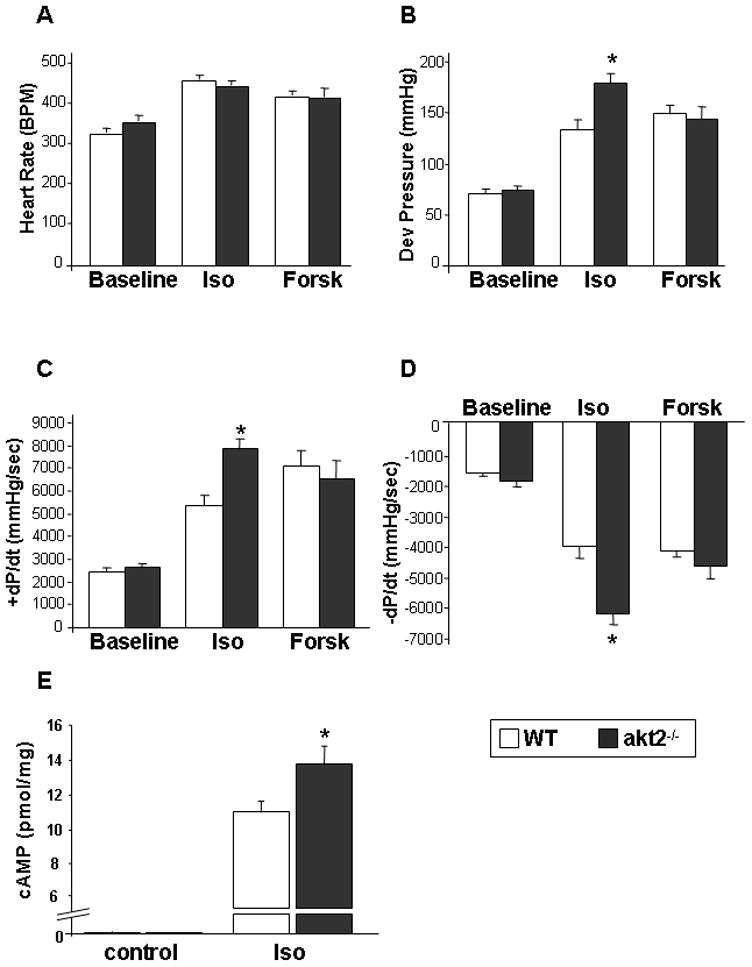
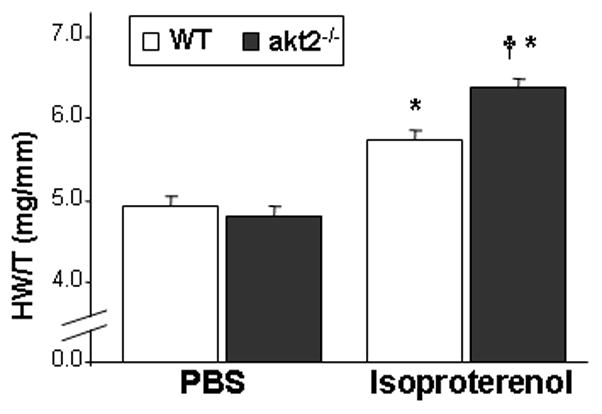
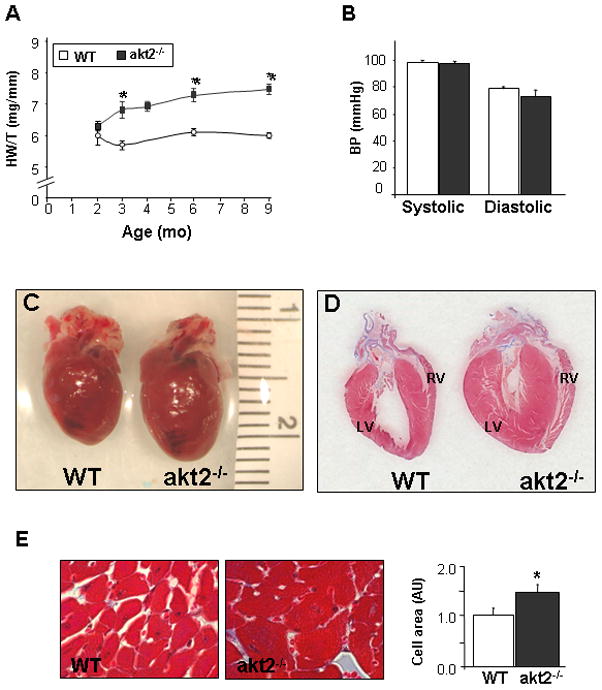
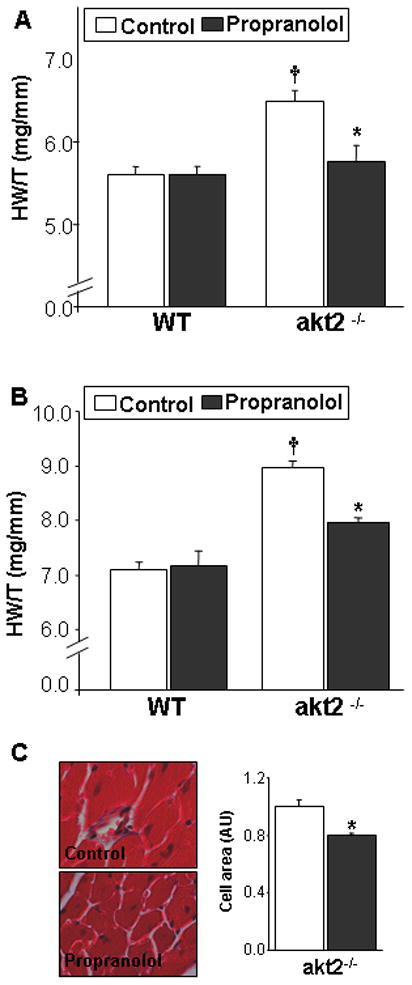
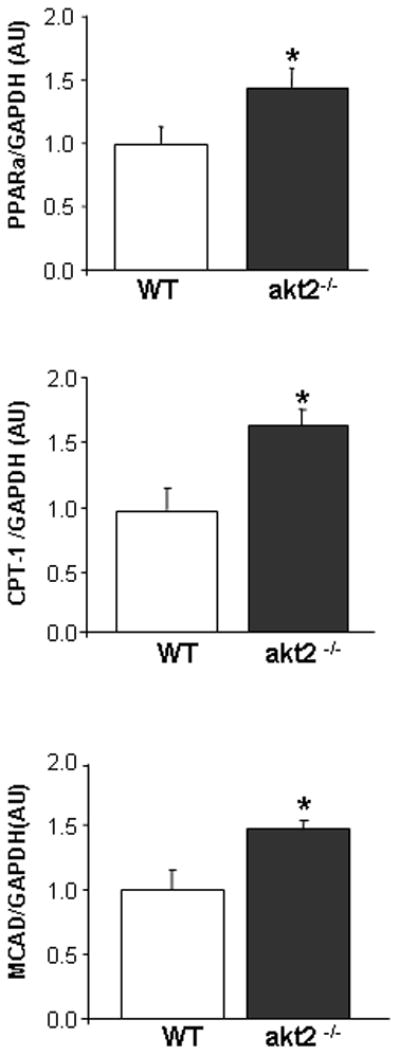
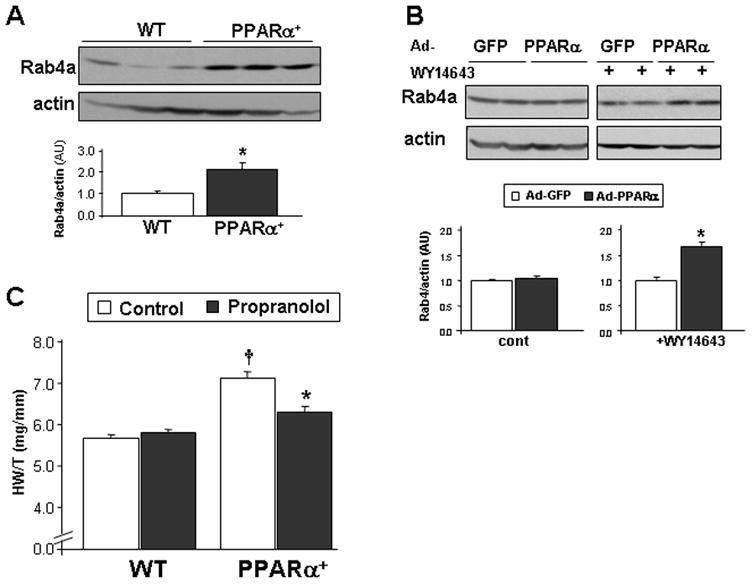
Patients with diabetes mellitus can develop cardiac dysfunction in the absence of underlying coronary artery disease or hypertension; a condition defined as diabetic cardiomyopathy. Mice lacking the intracellular protein kinase Akt2 develop a syndrome that is similar to diabetes mellitus type 2. Expression profiling of akt2(-/-) myocardium revealed that Rab4a, a GTPase involved in glucose transporter 4 translocation and β-adrenergic receptor (βAR) recycling to the plasma membrane, was significantly induced. We therefore hypothesized that Akt2 deficiency increases myocardial β-adrenergic sensitivity. Confirmatory analysis revealed up-regulation of Rab4a mRNA and protein in akt2(-/-) myocardium. In cultured cardiomyocyte experiments, Rab4a was induced by pharmacological inhibition of Akt as well as by specific knockdown of Akt2 with siRNA. Isolated akt2(-/-) hearts were hypersensitive to isoproterenol (ISO) but exhibited normal sensitivity to forskolin. Prolonged ISO treatment led to increased cardiac hypertrophy in akt2(-/-) mice compared to wild type mice. In addition, spontaneous hypertrophy was noted in aged akt2(-/-) hearts that was inhibited by treatment with the βAR blocker propranolol. In agreement with previous results demonstrating increased fatty acid oxidation rates in akt2(-/-) myocardium, we found increased peroxisome proliferator-activated receptor α (PPARα) activity in the hearts of these animals. Interestingly, increased myocardial Rab4a expression was present in mice with cardiac-specific overexpression of PPARα and was also observed upon stimulation of PPARα activity in cultured cardiomyocytes. Accordingly, propranolol attenuated the development of cardiac hypertrophy in the PPARα transgenic mice as well. Our results indicate that reduced Akt2 leads to up-regulation of Rab4a expression in cardiomyocytes in a cell-autonomous fashion that may involve activation of PPARα. This maladaptive response is associated with hypersensitivity of akt2(-/-) myocardium to β-adrenergic stimulation.
Copyright © 2010 Elsevier Ltd. All rights reserved.
Figures
References
-
- Cohen-Solal A, Beauvais F, Logeart D. Heart failure and diabetes mellitus: epidemiology and management of an alarming association. J Card Fail. 2008 Sep;14(7):615–25. - PubMed
-
- Boudina S, Abel ED. Diabetic cardiomyopathy revisited. Circulation. 2007 Jun 26;115(25):3213–23. - PubMed
-
- Zaid H, Antonescu CN, Randhawa VK, Klip A. Insulin action on glucose transporters through molecular switches, tracks and tethers. Biochem J. 2008 Jul 15;413(2):201–15. - PubMed
-
- Cantley LC. The phosphoinositide 3-kinase pathway. Science. 2002 May 31;296(5573):1655–7. - PubMed
Publication types
MeSH terms
Substances
Grants and funding
LinkOut - more resources
Full Text Sources
Molecular Biology Databases
Miscellaneous
