


Draft genome sequence of the oilseed species Ricinus communis
- PMID: 20729833
- PMCID: PMC2945230
- DOI: 10.1038/nbt.1674
Draft genome sequence of the oilseed species Ricinus communis
Abstract
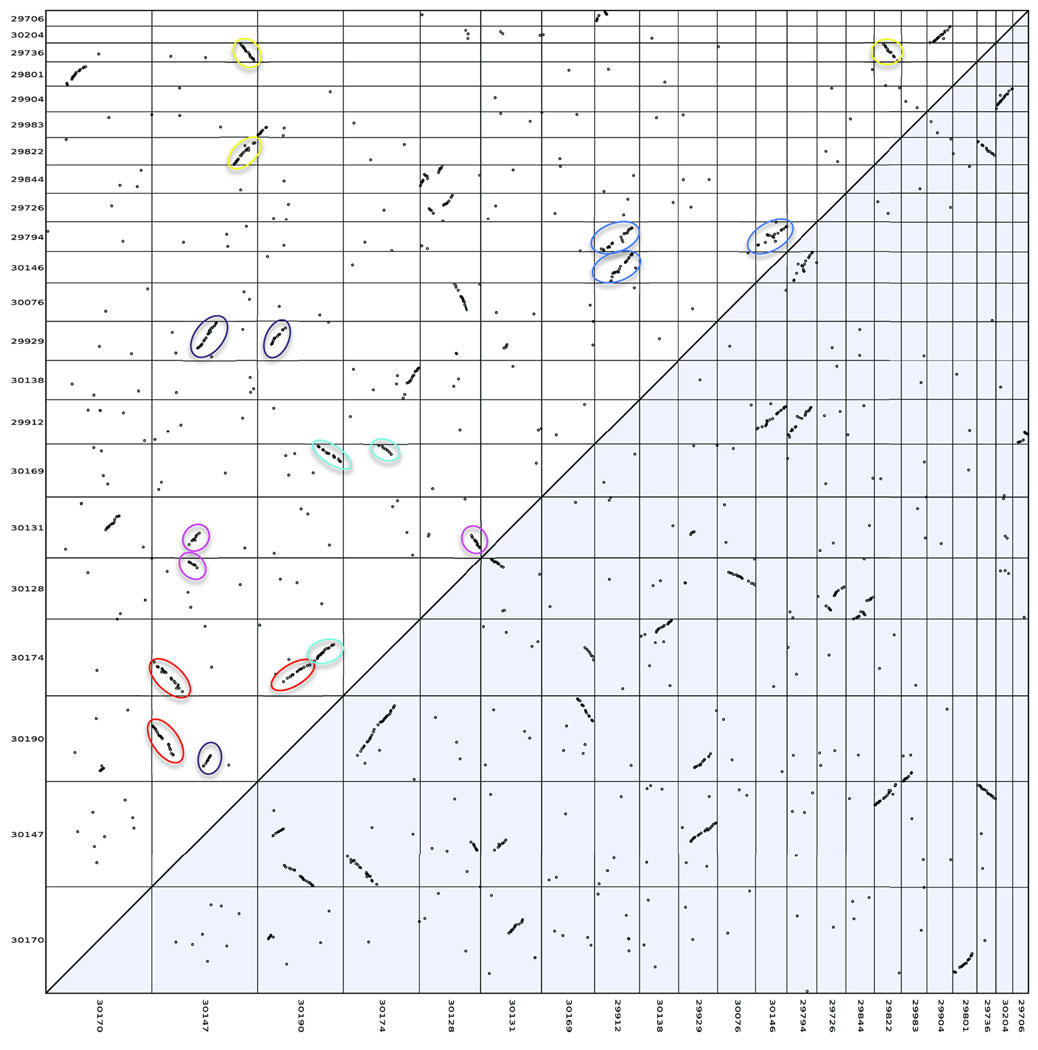
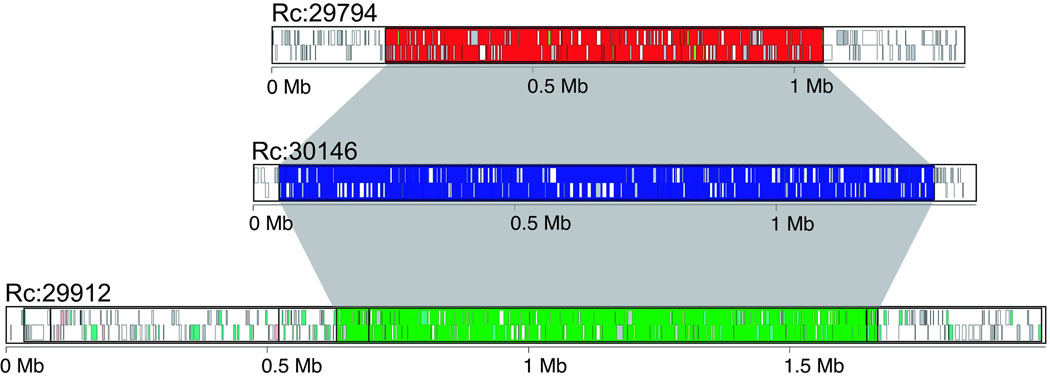
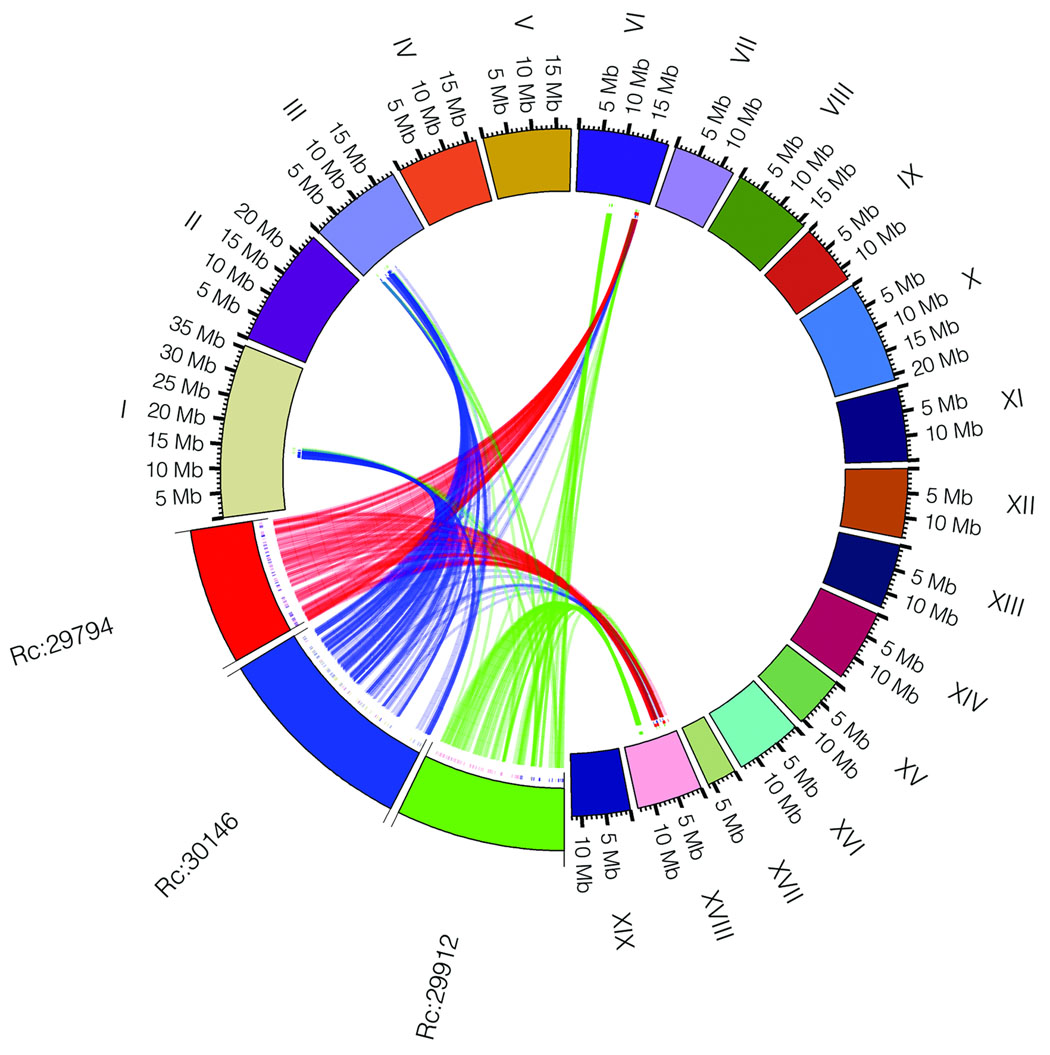
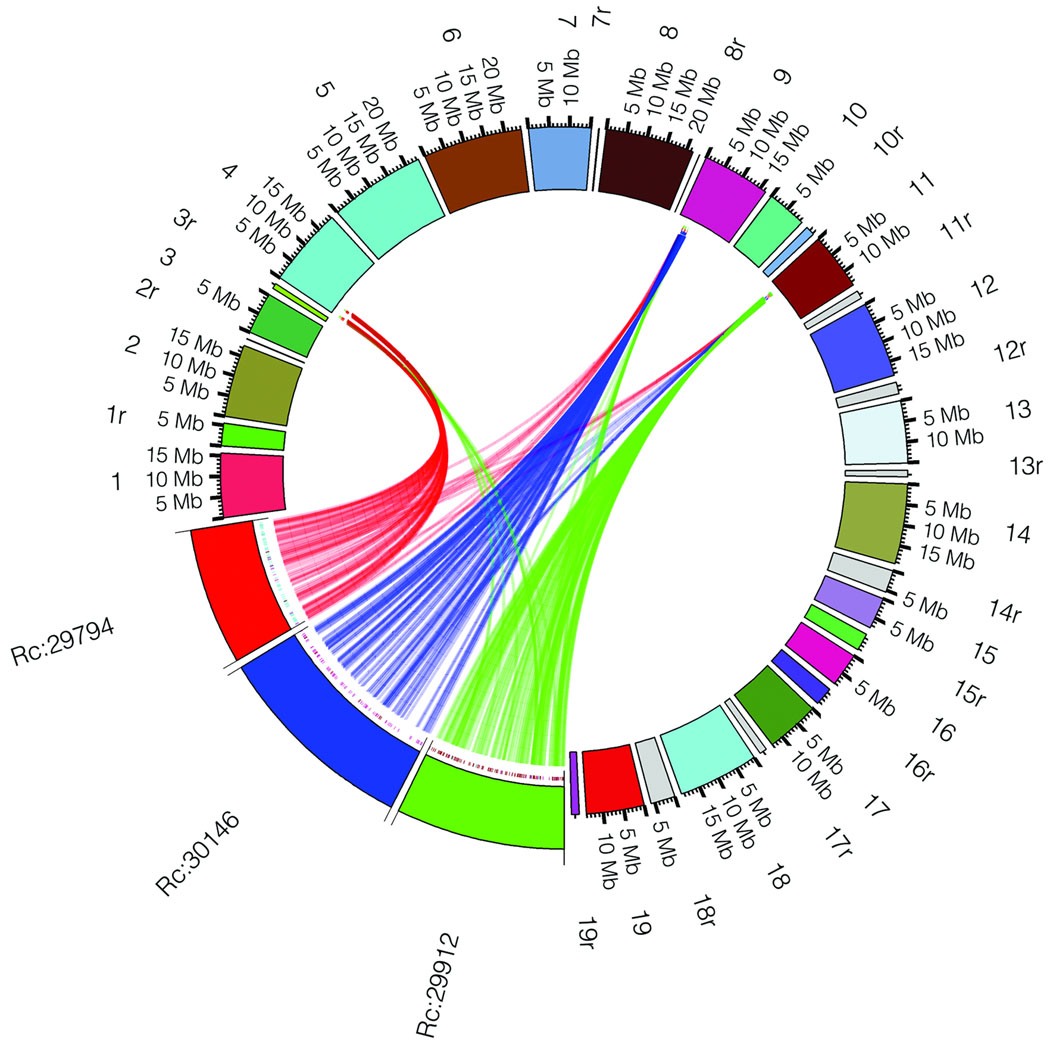
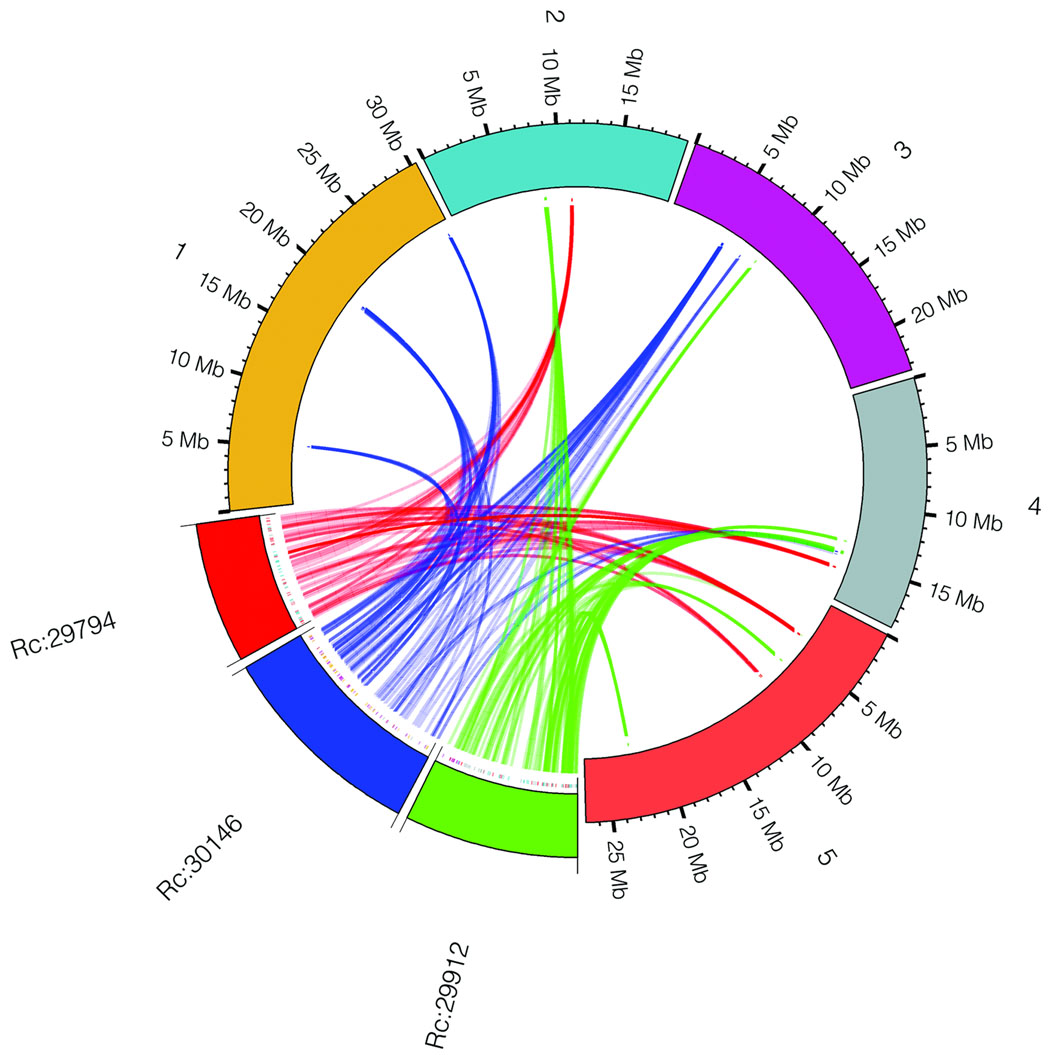
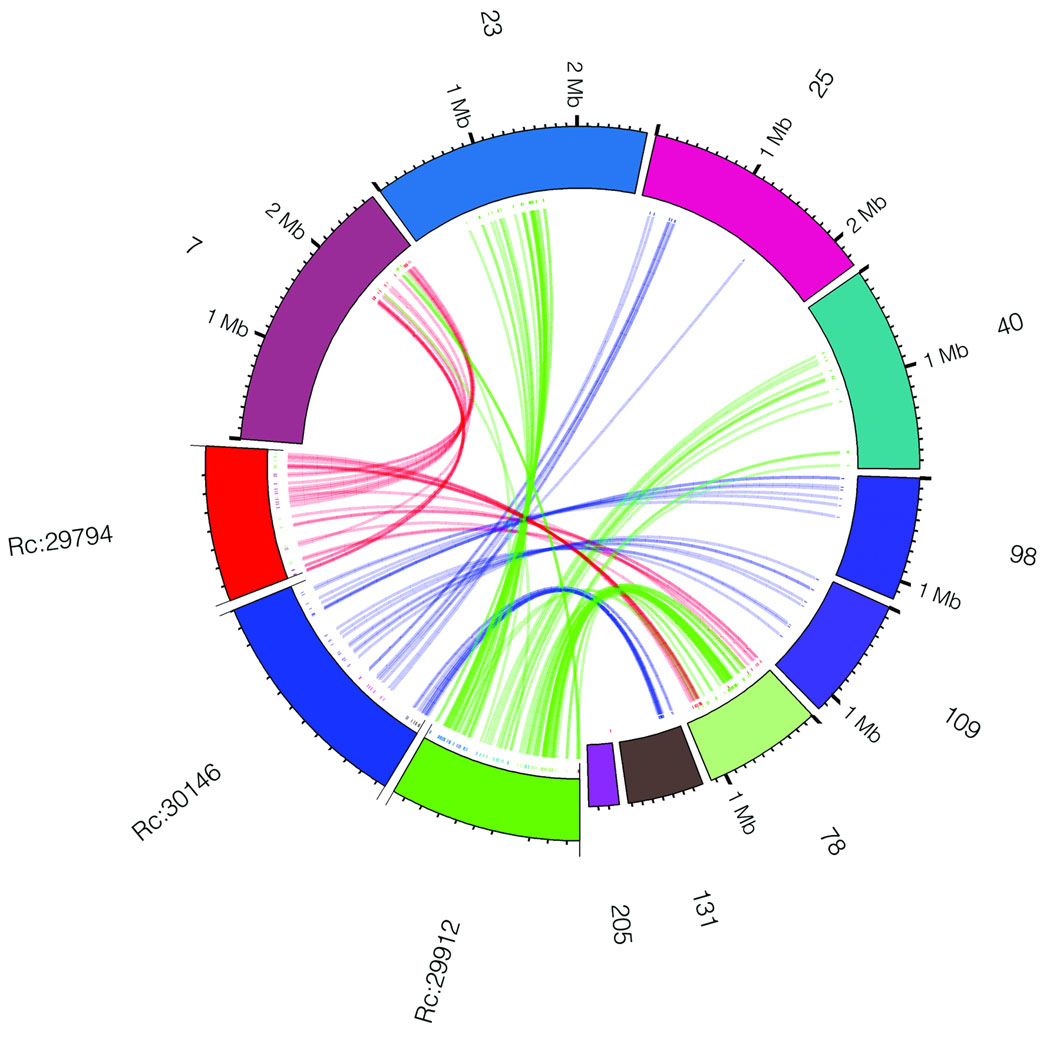
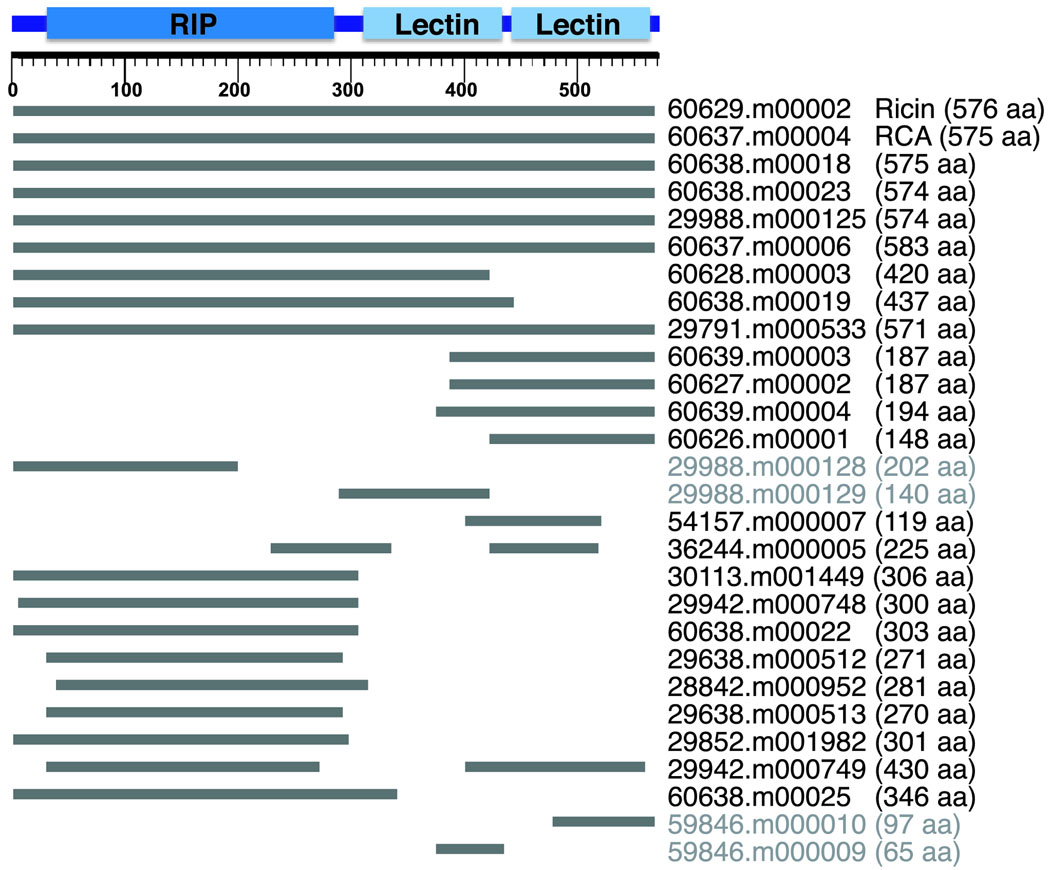
Castor bean (Ricinus communis) is an oilseed crop that belongs to the spurge (Euphorbiaceae) family, which comprises approximately 6,300 species that include cassava (Manihot esculenta), rubber tree (Hevea brasiliensis) and physic nut (Jatropha curcas). It is primarily of economic interest as a source of castor oil, used for the production of high-quality lubricants because of its high proportion of the unusual fatty acid ricinoleic acid. However, castor bean genomics is also relevant to biosecurity as the seeds contain high levels of ricin, a highly toxic, ribosome-inactivating protein. Here we report the draft genome sequence of castor bean (4.6-fold coverage), the first for a member of the Euphorbiaceae. Whereas most of the key genes involved in oil synthesis and turnover are single copy, the number of members of the ricin gene family is larger than previously thought. Comparative genomics analysis suggests the presence of an ancient hexaploidization event that is conserved across the dicotyledonous lineage.
Figures
References
-
- Allan G, et al. Worldwide genotyping of castor bean germplasm (Ricinus communis L.) using AFLPs and SSRs. Genet. Resour. Crop. Evol. 2008;55:365–378.
-
- da Silva Ramos LC, Shogiro Tango J, Savi A, Leal NR. Variability for oil and fatty acid composition in castorbean varieties. J Am Oil Chem Soc. 1984;61:1841–1843.
-
- da Silva Nde L, Maciel MR, Batistella CB, Maciel Filho R. Optimization of biodiesel production from castor oil. Appl. Biochem. Biotechnol. 2006;129–132:405–414. - PubMed
-
- Scarpa A, Guerci A. Various uses of the castor oil plant (Ricinus communis L.). A review. J. Ethnopharmacol. 1982;5:117–137. - PubMed
Publication types
MeSH terms
Substances
Grants and funding
LinkOut - more resources
Full Text Sources
Other Literature Sources
