


Do we need more than just powerful blood pressure reductions? New paradigms in end-organ protection
- PMID: 20730064
- PMCID: PMC2922309
- DOI: 10.2147/vhrm.s7969
Do we need more than just powerful blood pressure reductions? New paradigms in end-organ protection
Abstract
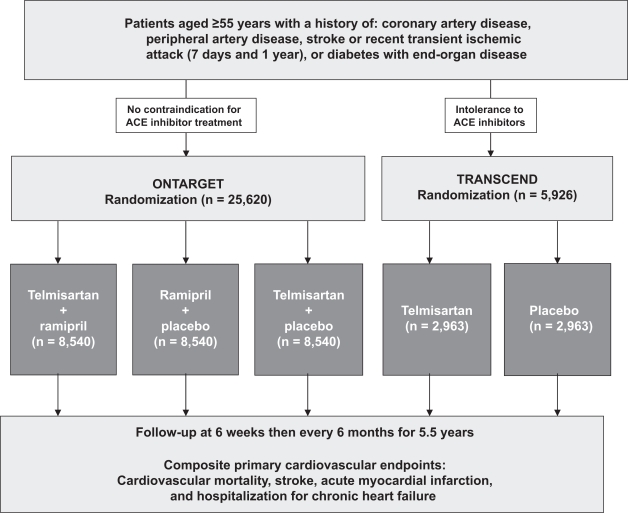
Antihypertensive therapy can lower the risk of cardiovascular morbidity and mortality. Yet, partly because of inadequate dosing, wrong pharmacological choices, and poor patient adherence, hypertension control remains suboptimal in the majority of hypertensive patients. Achieving greater blood pressure control requires a multifaceted approach that raises awareness of hypertension, uses effective therapies, and improves adherence. Particular classes of antihypertensive therapy have beneficial actions beyond blood pressure and studies have evaluated differences in cardiovascular protection among classes. The LIFE and HOPE studies showed between-class differences that may be due to effects other than blood pressure-lowering. In the ONTARGET study, telmisartan and ramipril provided similar cardiovascular protection but adherence was higher with telmisartan, which was better tolerated. This difference in compliance is likely to be important for long-term therapy. The selection of an agent for cardiovascular protection should depend on an appreciation of its composite properties, including any beneficial effects on tolerability and increased patient adherence, as these are likely to be advantageous for the long-term management of hypertension. This review examines the evidence that the effects beyond blood pressure provided by some antihypertensive agents can also lower the risk of cardiovascular, cerebrovascular, and renal events in patients with hypertension.
Keywords: angiotensin II receptor blocker; cardiovascular continuum; cardiovascular disease; hypertension; renin–angiotensin system; telmisartan.
References
-
- Chobanian AV, Bakris GL, Black HR, et al. Seventh report of the Joint National Committee on Prevention, Detection, Evaluation, and Treatment of High Blood Pressure. Hypertension. 2003;42:1206–1252. - PubMed
-
- Rosendorff C, Black HR, Cannon CP, et al. Treatment of hypertension in the prevention and management of ischemic heart disease: a scientific statement from the American Heart Association Council for High Blood Pressure Research and the Councils on Clinical Cardiology and Epidemiology and Prevention. Circulation. 2007;115:2761–2788. - PubMed
-
- Mancia G, De Backer G, Dominiczak A, et al. 2007 Guidelines for the Management of Arterial Hypertension: The Task Force for the Management of Arterial Hypertension of the European Society of Hypertension (ESH) and of the European Society of Cardiology (ESC) J Hypertens. 2007;25:1105–1187. - PubMed
-
- Ebrahim S, Smith GD. Lowering blood pressure: a systematic review of sustained effects of non-pharmacological interventions. J Public Health Med. 1998;20:441–448. - PubMed
-
- Mulrow CD, Chiquette E, Angel L, et al. Dieting to reduce body weight for controlling hypertension in adults. Cochrane Database Syst Rev. 2000;2:CD000484. - PubMed
Publication types
MeSH terms
Substances
LinkOut - more resources
Full Text Sources
Medical
