


Management of dyslipidemias with fibrates, alone and in combination with statins: role of delayed-release fenofibric acid
- PMID: 20730069
- PMCID: PMC2922314
- DOI: 10.2147/vhrm.s5593
Management of dyslipidemias with fibrates, alone and in combination with statins: role of delayed-release fenofibric acid
Abstract
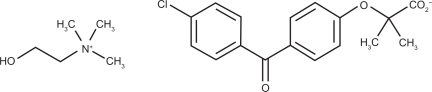
Cardiovascular disease (CVD) represents the leading cause of mortality worldwide. Lifestyle modifications, along with low-density lipoprotein cholesterol (LDL-C) reduction, remain the highest priorities in CVD risk management. Among lipid-lowering agents, statins are most effective in LDL-C reduction and have demonstrated incremental benefits in CVD risk reduction. However, in light of the residual CVD risk, even after LDL-C targets are achieved, there is an unmet clinical need for additional measures. Fibrates are well known for their beneficial effects in triglycerides, high-density lipoprotein cholesterol (HDL-C), and LDL-C subspecies modulation. Fenofibrate is the most commonly used fibric acid derivative, exerts beneficial effects in several lipid and nonlipid parameters, and is considered the most suitable fibrate to combine with a statin. However, in clinical practice this combination raises concerns about safety. ABT-335 (fenofibric acid, Trilipix) is the newest formulation designed to overcome the drawbacks of older fibrates, particularly in terms of pharmacokinetic properties. It has been extensively evaluated both as monotherapy and in combination with atorvastatin, rosuvastatin, and simvastatin in a large number of patients with mixed dyslipidemia for up to 2 years and appears to be a safe and effective option in the management of dyslipidemia.
Keywords: atherogenic dyslipidemia; cardiovascular disease prevention; fenofibric acid; lipid-lowering treatment; statins.
Figures
References
-
- Third Report of the National Cholesterol Education Program (NCEP) Expert Panel on Detection, Evaluation, and Treatment of High Blood Cholesterol in Adults (Adult Treatment Panel III) final report. Circulation. 2002;106(25):3143–3421. - PubMed
-
- Buse JB, Ginsberg HN, Bakris GL, et al. Primary prevention of cardiovascular diseases in people with diabetes mellitus: A scientific statement from the American Heart Association and the American Diabetes Association. Diabetes Care. 2007;30(1):162–172. - PubMed
-
- Smith SC, Jr, Allen J, Blair SN, et al. AHA/ACC guidelines for secondary prevention for patients with coronary and other atherosclerotic vascular disease: 2006 update: Endorsed by the National Heart, Lung, and Blood Institute. Circulation. 2006;113(19):2363–2372. - PubMed
-
- Grundy SM, Cleeman JI, Merz CN, et al. Implications of recent clinical trials for the National Cholesterol Education Program Adult Treatment Panel III guidelines. Circulation. 2004;110(2):227–239. - PubMed
-
- Graham I, Atar D, Borch-Johnsen K, et al. European guidelines on cardiovascular disease prevention in clinical practice: Executive summary. Fourth Joint Task Force of the European Society of Cardiology and other societies on cardiovascular disease prevention in clinical practice (constituted by representatives of nine societies and by invited experts) Eur J Cardiovasc Prev Rehabil. 2007;(14 Suppl 2):E1–E40. - PubMed
Publication types
MeSH terms
Substances
LinkOut - more resources
Full Text Sources
Other Literature Sources
Medical
