


MicroRNA-205-directed transcriptional activation of tumor suppressor genes in prostate cancer
- PMID: 20737563
- PMCID: PMC3940365
- DOI: 10.1002/cncr.25488
MicroRNA-205-directed transcriptional activation of tumor suppressor genes in prostate cancer
Abstract
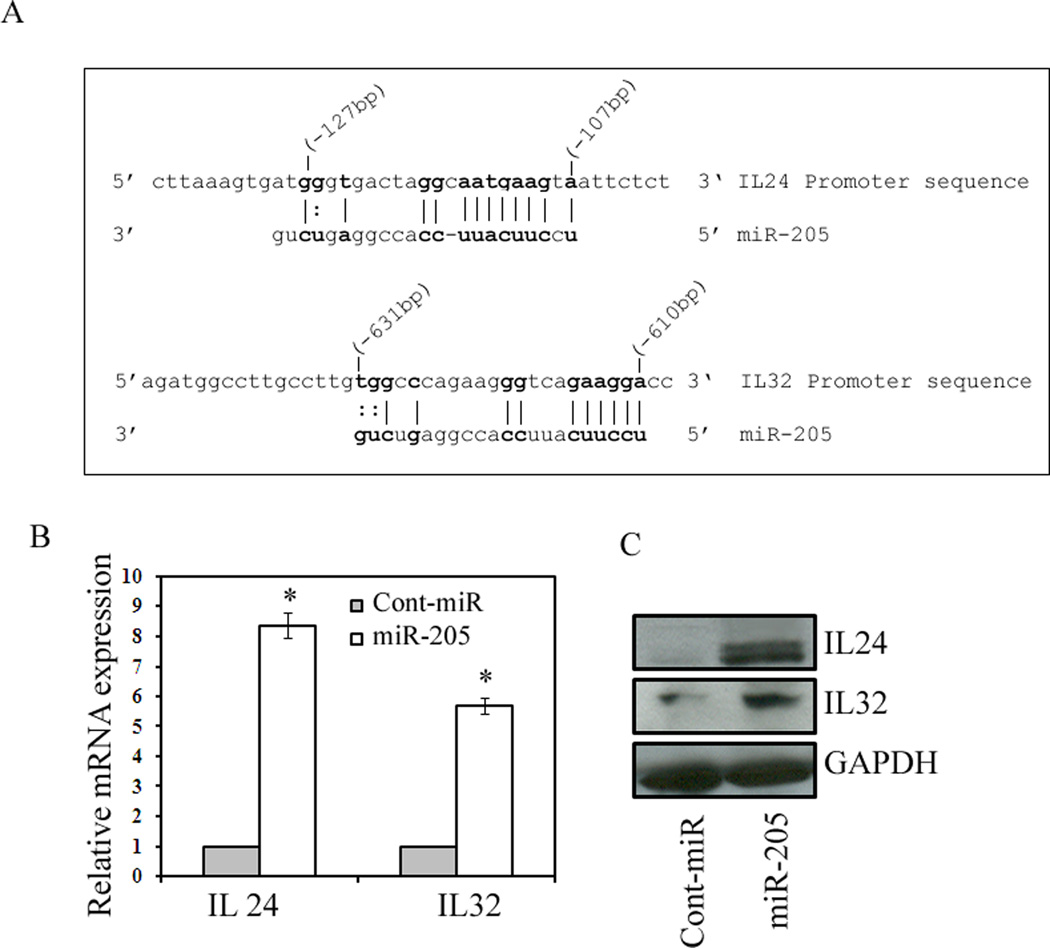
Background: MicroRNAs (miRNAs) are small noncoding RNAs that regulate the expression of approximately 60% of all human genes. They play important roles in numerous cellular processes, including development, proliferation, and apoptosis. Currently, it is believed that miRNAs elicit their effect by silencing the expression of target genes. In this study, the authors demonstrated that miRNA-205 (miR-205) induced the expression the interleukin (IL) tumor suppressor genes IL24 and IL32 by targeting specific sites in their promoters.
Methods: The methods used in this study included transfection of small RNAs; quantitative real-time polymerase chain reaction; in situ hybridization; fluorescence-labeled in situ hybridization; cell cycle, apoptosis, cell viability, migratory, clonability, and invasion assays; immunoblotting; and luciferase reporter, nuclear run-on, and chromatin immunoprecipitation assays.
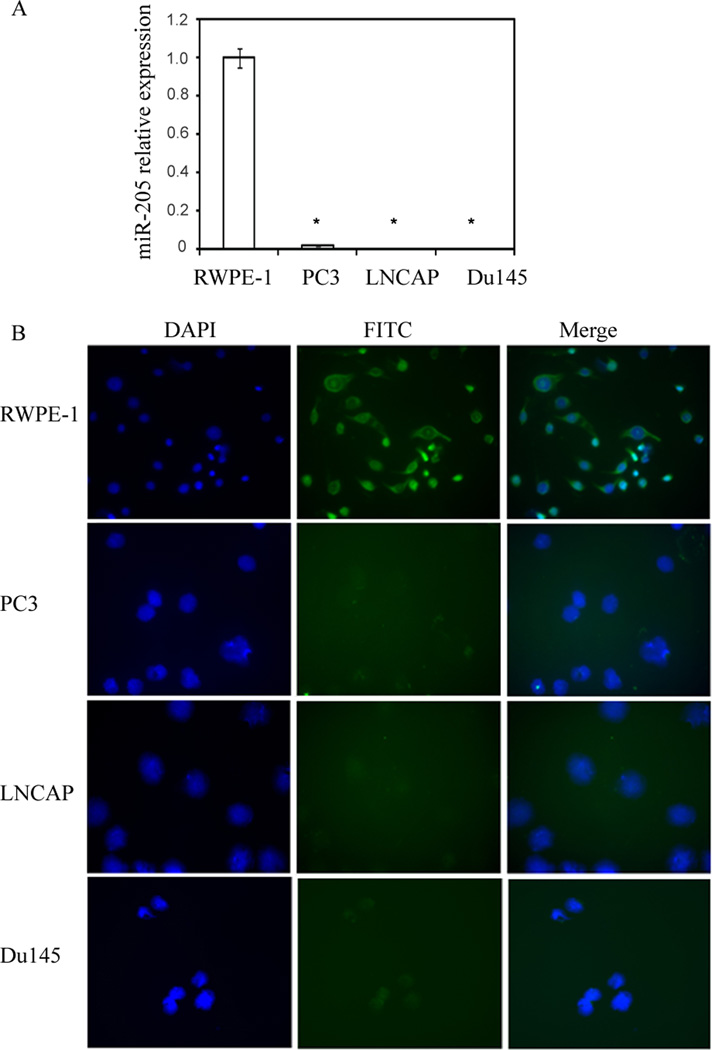
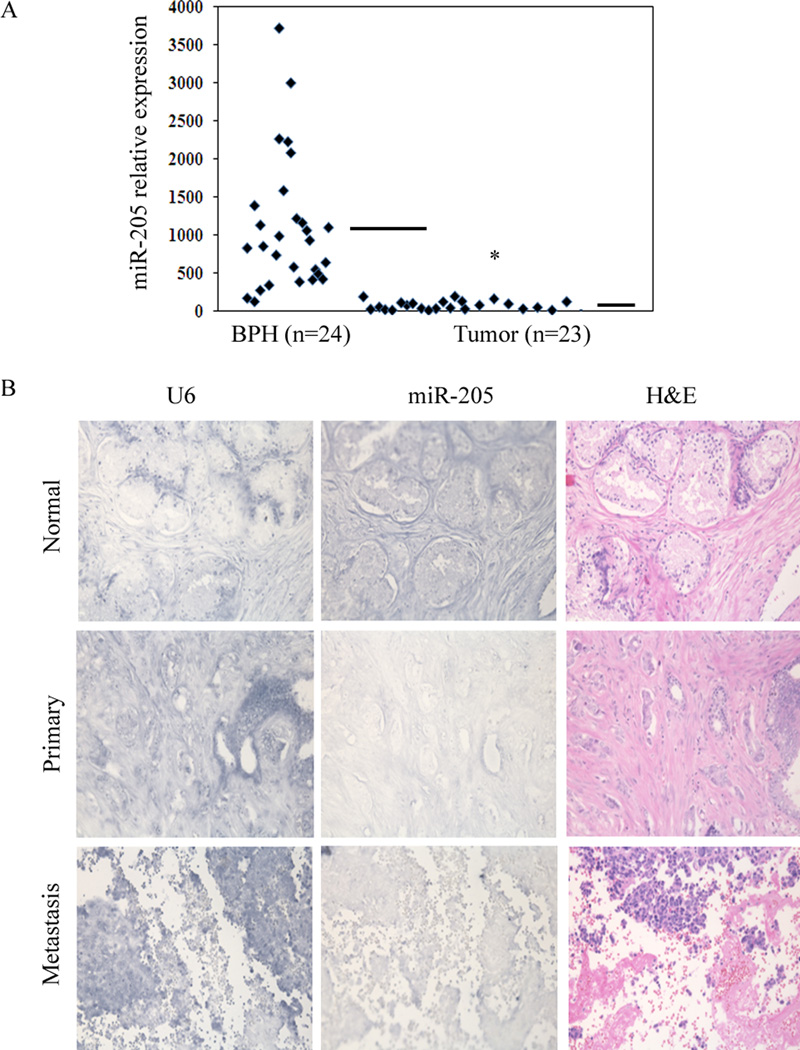
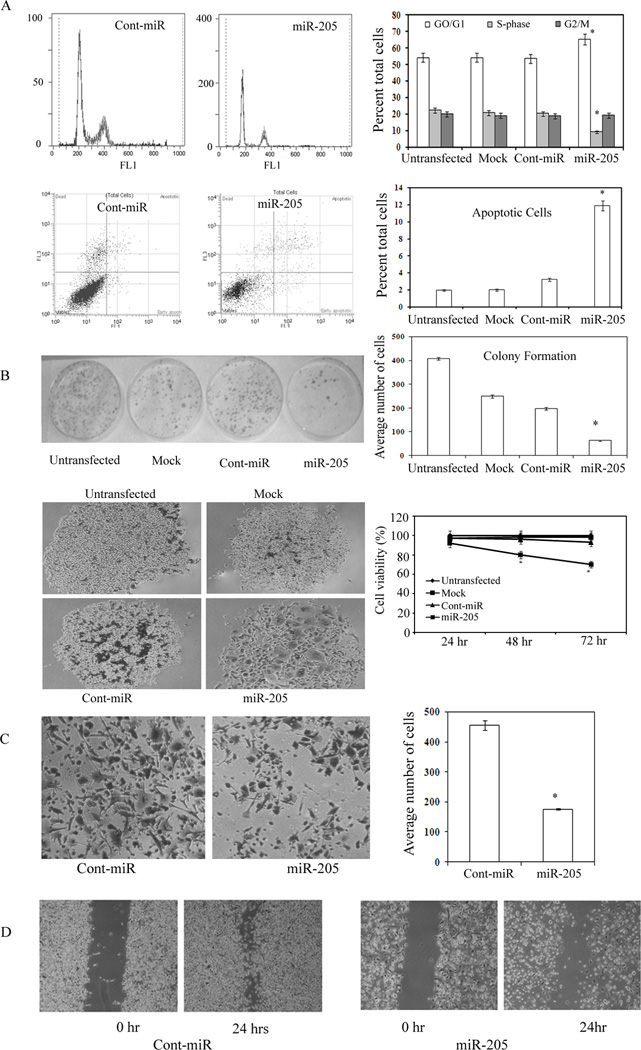
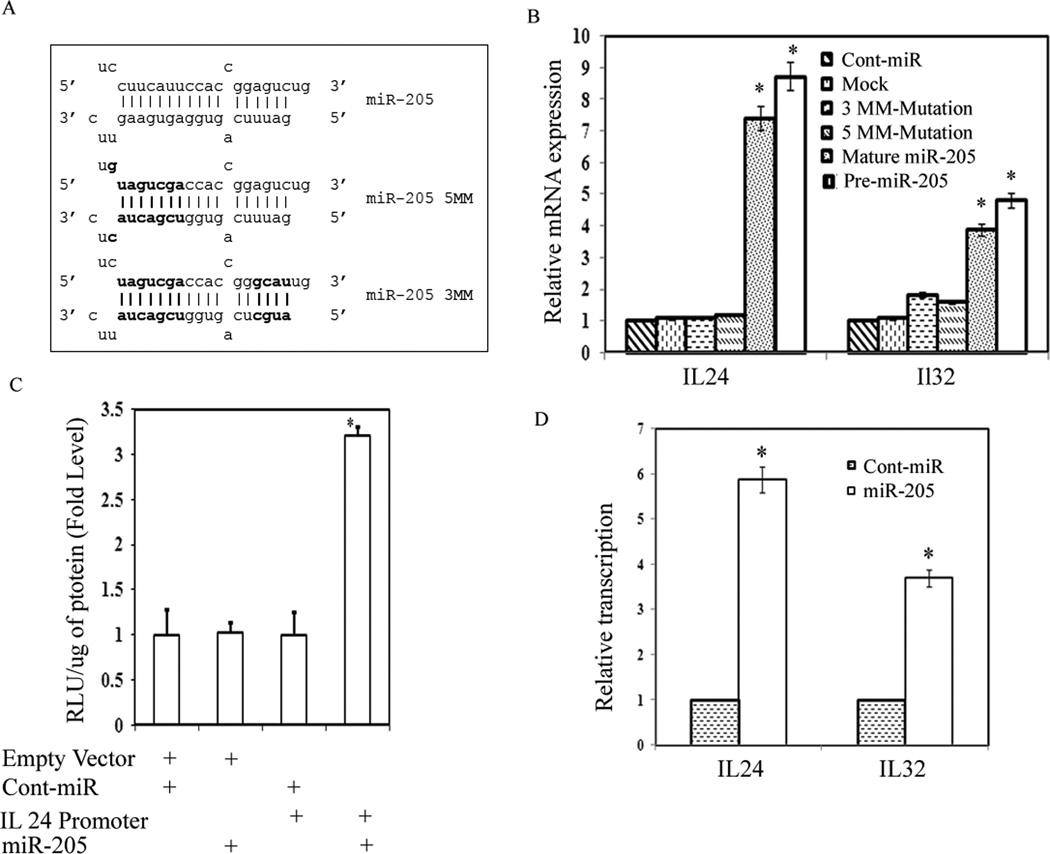
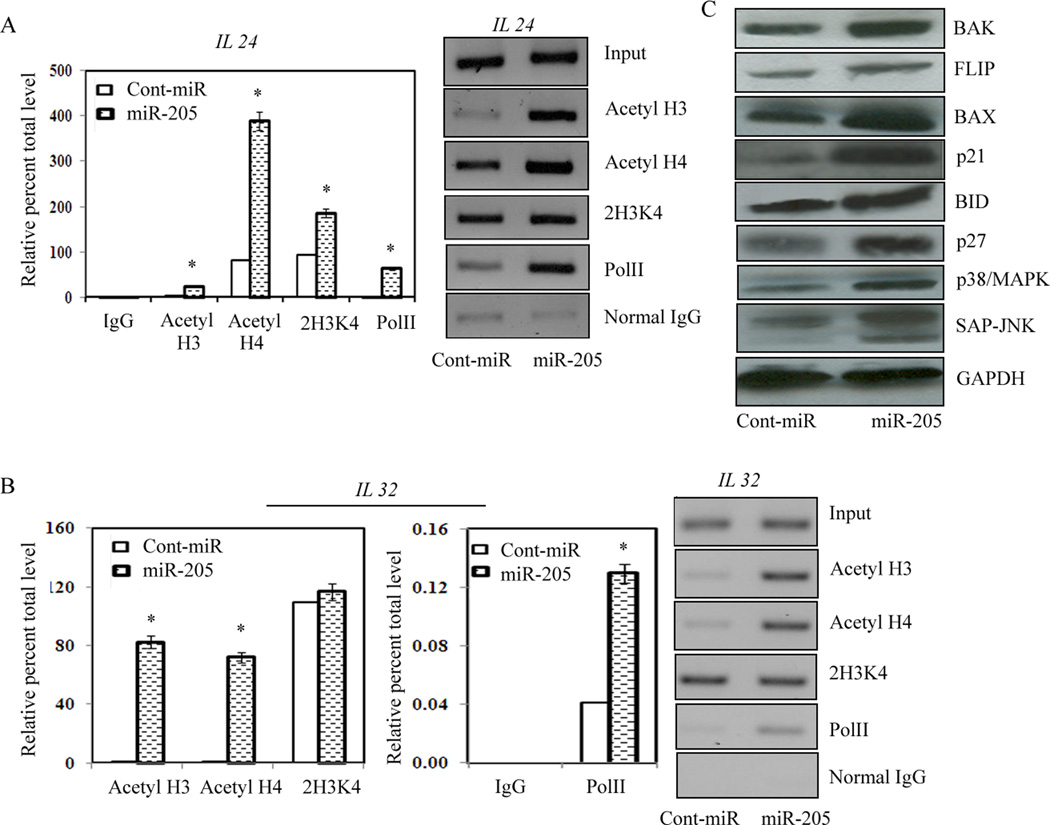
Results: The results revealed that miR-205 was silenced in prostate cancer. Its re-expression induced apoptosis and cell cycle arrest. It also impaired cell growth, migration, clonability, and invasiveness of prostate cancer cells. Micro-RNA-205 induced the expression of tumor suppressor genes IL24 and IL32 at both the messenger RNA and protein levels. The induction of in vitro transcription and enrichment of markers for transcriptionally active promoters in the IL24 and IL32 genes was observed in response to miR-205.
Conclusions: In this study, a new function for miR-205 was identified that specifically activated tumor suppressor genes by targeting specific sites in their promoters. These results corroborate a newly identified function that miRNAs have in regulating gene expression at the transcriptional level. The specific activation of tumor suppressor genes (eg, IL24, IL32) or other dysregulated genes by miRNA may contribute to a novel therapeutic approach for the treatment of prostate cancer.
Copyright © 2010 American Cancer Society.
Figures
References
-
- Friedman RC, Farh KK, Burge CB, Bartel DP. Most mammalian mRNAs are conserved targets of microRNAs. Genome Res. 2009;19(1):92–105. Available from http://www.ncbi.nlm.nih.gov/entrez/query.fcgi?cmd=Retrieve&db=PubMed&dop.... - PMC - PubMed
-
- Carrington JC, Ambros V. Role of microRNAs in plant and animal development. Science. 2003;301(5631):336–338. Available from http://www.ncbi.nlm.nih.gov/entrez/query.fcgi?cmd=Retrieve&db=PubMed&dop.... - PubMed
-
- Kloosterman WP, Plasterk RH. The diverse functions of microRNAs in animal development and disease. Dev Cell. 2006;11(4):441–450. Available from http://www.ncbi.nlm.nih.gov/entrez/query.fcgi?cmd=Retrieve&db=PubMed&dop.... - PubMed
-
- Lu J, Getz G, Miska EA, Alvarez-Saavedra E, Lamb J, Peck D, et al. MicroRNA expression profiles classify human cancers. Nature. 2005;435(7043):834–838. Available from http://www.ncbi.nlm.nih.gov/entrez/query.fcgi?cmd=Retrieve&db=PubMed&dop.... - PubMed
-
- Volinia S, Calin GA, Liu CG, Ambs S, Cimmino A, Petrocca F, et al. A microRNA expression signature of human solid tumors defines cancer gene targets. Proc Natl Acad Sci U S A. 2006;103(7):2257–2261. Available from http://www.ncbi.nlm.nih.gov/entrez/query.fcgi?cmd=Retrieve&db=PubMed&dop.... - PMC - PubMed
Publication types
MeSH terms
Substances
Grants and funding
LinkOut - more resources
Full Text Sources
Medical
