


A modified surgical approach to women with obstetric anal sphincter tears by separate suturing of external and internal anal sphincter. A modified approach to obstetric anal sphincter injury
- PMID: 20828380
- PMCID: PMC2949785
- DOI: 10.1186/1471-2393-10-51
A modified surgical approach to women with obstetric anal sphincter tears by separate suturing of external and internal anal sphincter. A modified approach to obstetric anal sphincter injury
Abstract
Background: Long-term results after obstetric anal sphincter injury (OASI) are poor. We aimed to improve the long-term outcome after OASI by lessening symptoms of anal incontinence.
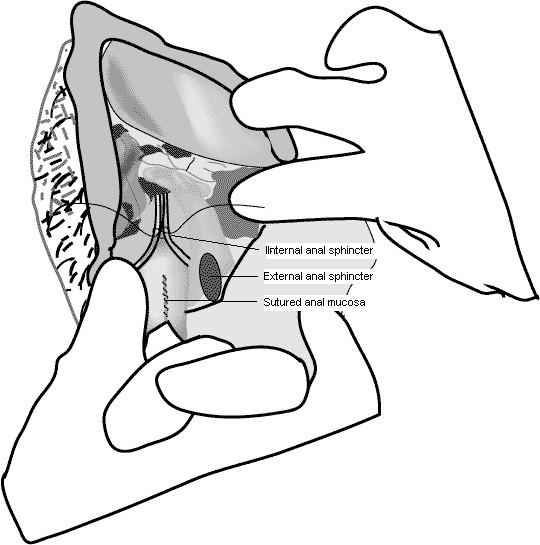
Methods: In a prospective study at Malmö University Hospital, twenty-six women with at least grade 3B OASI were classified and sutured in a systematic way, including separate suturing of the internal and external sphincter muscles with monofilament absorbable sutures. The principal outcome assessed by answers given to six questions, was a difference in anal incontinence score, between the study group and two control groups (women with prior OASI [n = 180] and primiparous women delivered vaginally without a diagnose of OASI [n = 100]).
Results: An anal incontinence score of zero (i.e., no symptoms) was found in 74% of the study group, 47% of the OASI control group, and 66% of the vaginal control group (p = 0.02 and 0.5, as compared to the study group).
Conclusions: A modified suturing technique was followed by significant improved one-year symptoms of anal incontinence as compared to historical cases.
Figures
References
-
- Pirhonen JP, Grenman SE, Haadem K, Gudmundsson S, Lindqvist P, Siihola S, Erkkola RU, Marsal K. Frequency of anal sphincter rupture at delivery in Sweden and Finland -- result of difference in manual help to the baby's head. Acta Obstet Gynecol Scand. 1998;77:974–977. doi: 10.1080/j.1600-0412.1998.771005.x. - DOI - PubMed
-
- Sultan AH, Monga AK, Kumar D, Stanton SL. Primary repair of obstetric anal sphincter rupture using the overlap technique. Br J Obstet Gynaecol. 1999;106:318–323. - PubMed
Publication types
MeSH terms
LinkOut - more resources
Full Text Sources
Medical
