


Repeat traumatic brain injury in the juvenile rat is associated with increased axonal injury and cognitive impairments
- PMID: 20829578
- PMCID: PMC3215244
- DOI: 10.1159/000316800
Repeat traumatic brain injury in the juvenile rat is associated with increased axonal injury and cognitive impairments
Abstract
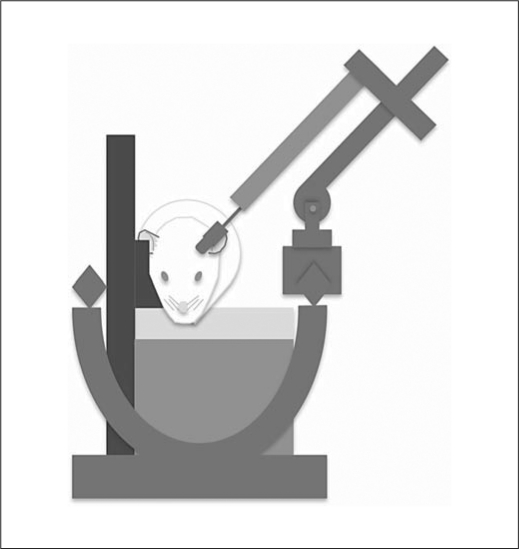
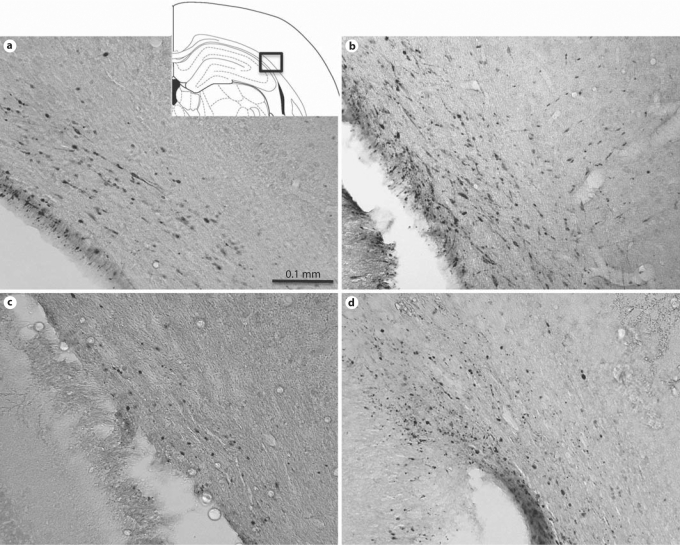
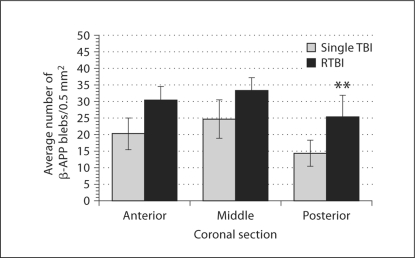
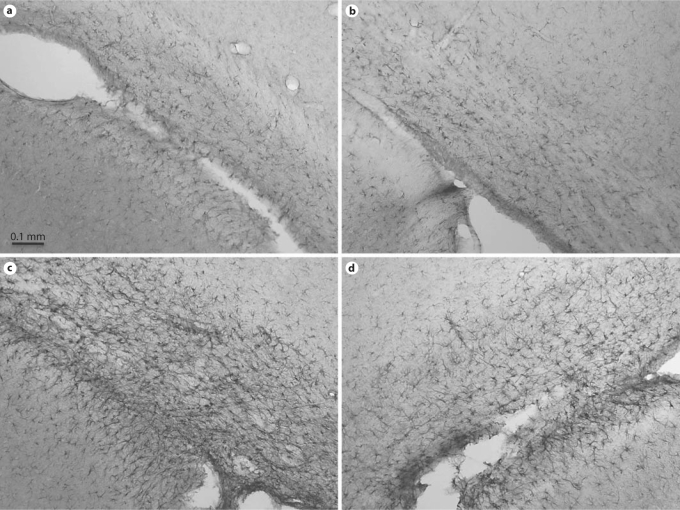
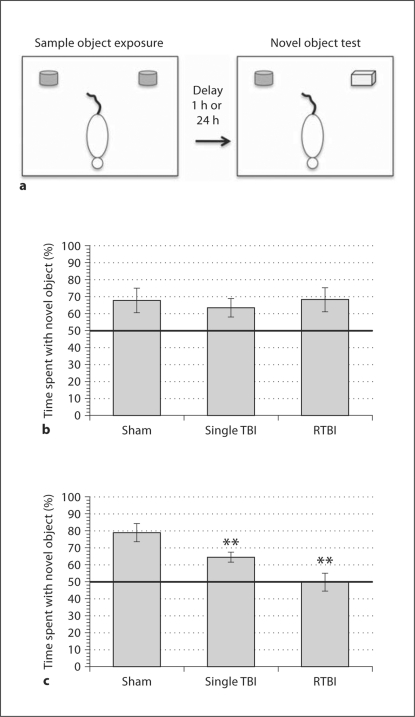
Among the enormous population of head-injured children and young adults are a growing subpopulation who experience repeat traumatic brain injury (RTBI). The most common cause of RTBI in this age group is sports-related concussions, and athletes who have experienced a head injury are at greater risk for subsequent TBI, with consequent long-term cognitive dysfunction. While several animal models have been proposed to study RTBI, they have been shown to either produce injuries too severe, were conducted in adults, involved craniotomy, or failed to show behavioral deficits. A closed head injury model for postnatal day 35 rats was established, and single and repeat TBI (1-day interval) were examined histologically for axonal injury and behaviorally by the novel object recognition (NOR) task. The results from the current study demonstrate that an experimental closed head injury in the rodent with low mortality rates and absence of gross pathology can produce measurable cognitive deficits in a juvenile age group. The introduction of a second injury 24 h after the first impact resulted in increased axonal injury, astrocytic reactivity and increased memory impairment in the NOR task. The histological evidence demonstrates the potential usefulness of this RTBI model for studying the impact and time course of RTBI as it relates to the pediatric and young adult population. This study marks the first critical step in experimentally addressing the consequences of concussions and the cumulative effects of RTBI in the developing brain.
Copyright © 2010 S. Karger AG, Basel.
Figures
References
-
- Annegers JF, Grabow JD, et al. The incidence, causes, and secular trends of head trauma in Olmsted County, Minnesota, 1935–1974. Neurology. 1980;30:912–919. - PubMed
-
- Baldwin SA, Scheff SW. Intermediate filament change in astrocytes following mild cortical contusion. Glia. 1996;16:266–275. - PubMed
-
- Bazarian JJ, Zhong J, et al. Diffusion tensor imaging detects clinically important axonal damage after mild traumatic brain injury: a pilot study. J Neurotrauma. 2007;24:1447–1459. - PubMed
-
- Bijur PE, Haslum M, et al. Cognitive outcomes of multiple mild head injuries in children. J Dev Behav Pediatr. 1996;17:143–148. - PubMed
Publication types
MeSH terms
Grants and funding
LinkOut - more resources
Full Text Sources
Medical
