


Turning off the spigot: reducing drug-resistant tuberculosis transmission in resource-limited settings
- PMID: 20843413
- PMCID: PMC3709569
Turning off the spigot: reducing drug-resistant tuberculosis transmission in resource-limited settings
Abstract
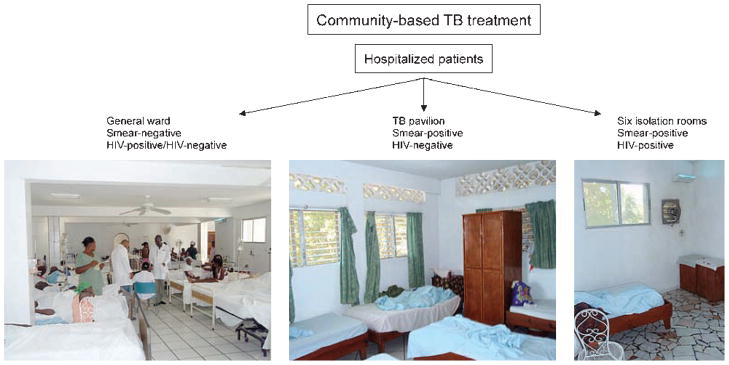
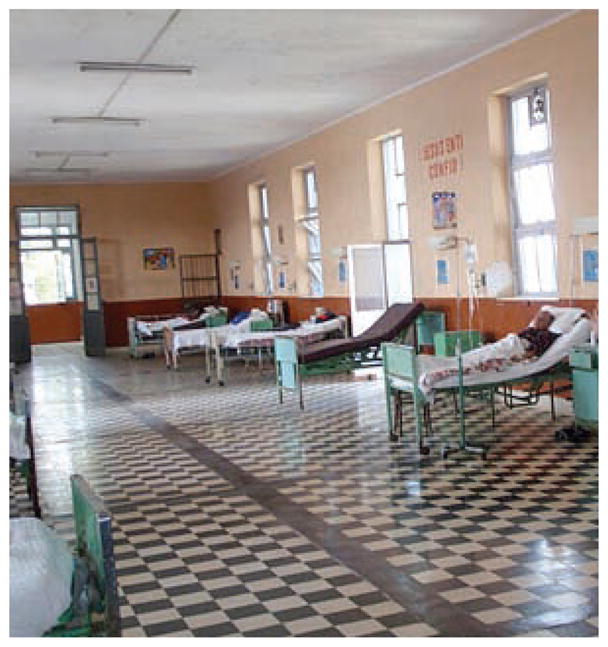
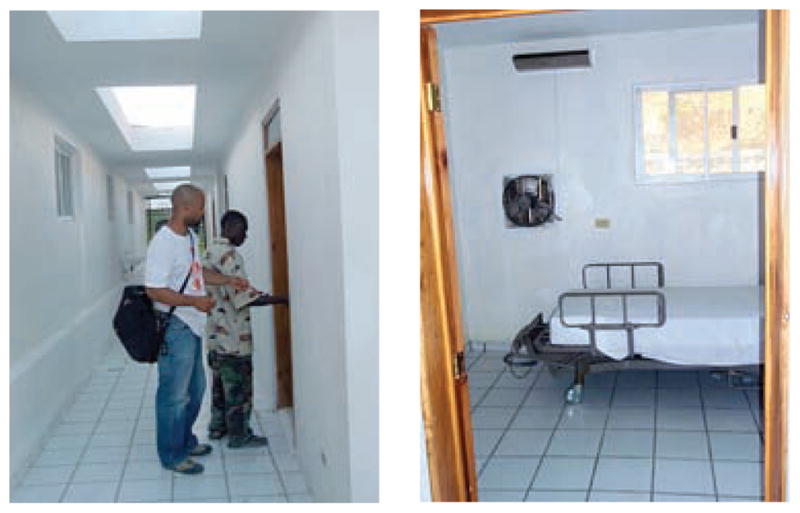
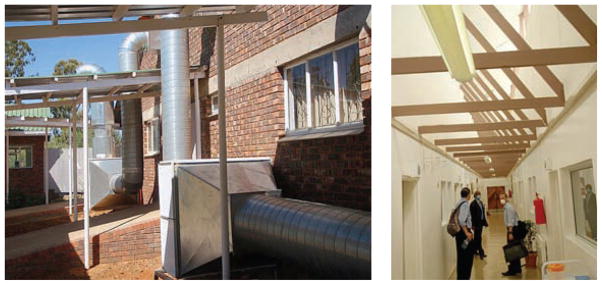
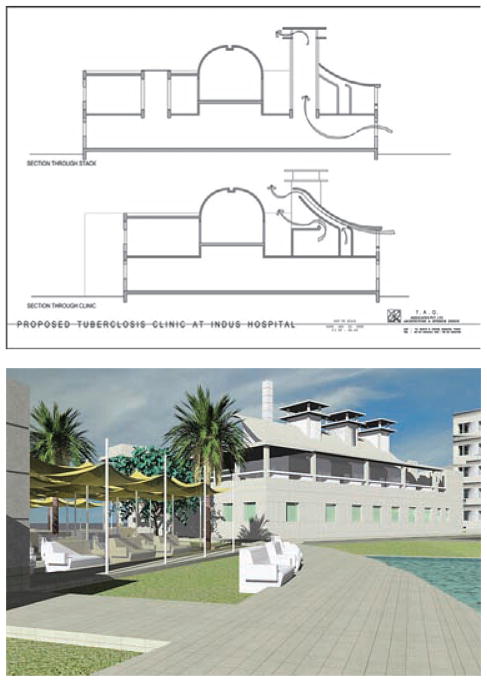
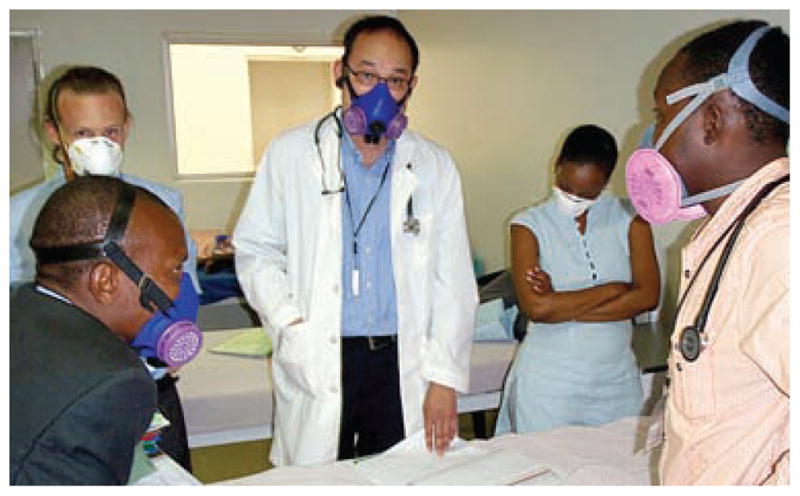
Ongoing transmission and re-infection, primarily in congregate settings, is a key factor fueling the global multidrug-resistant/extensively drug-resistant tuberculosis (MDR/XDR-TB) epidemic, especially in association with the human immunodeficiency virus. Even as efforts to broadly implement conventional TB transmission control measures begin, current strategies may be incompletely effective under the overcrowded conditions extant in high-burden, resource-limited settings. Longstanding evidence suggesting that TB patients on effective therapy rapidly become non-infectious and that unsuspected, untreated TB cases account for the most transmission makes a strong case for the implementation of rapid point-of-care diagnostics coupled with fully supervised effective treatment. Among the most important decisions affecting transmission, the choice of an MDR-TB treatment model that includes community-based treatment may offer important advantages over hospital or clinic-based care, not only in cost and effectiveness, but also in transmission control. In the community, too, rapid identification of infectious cases, especially drug-resistant cases, followed by effective, fully supervised treatment, is critical to stopping transmission. Among the conventional interventions available, we present a simple triage and separation strategy, point out that separation is intimately linked to the design and engineering of clinical space and call attention to the pros and cons of natural ventilation, simple mechanical ventilation systems, germicidal ultraviolet air disinfection, fit-tested respirators on health care workers and short-term use of masks on patients before treatment is initiated.
Figures

References
-
- World Health Organization. Multidrug and extensively drug-resistant tuberculosis (M/XDR-TB): 2010 global report on surveillance and response. Geneva, Switzerland: WHO; 2010.
-
- Institute of Medicine of the National Academies. Addressing the threat of drug-resistant tuberculosis: a realistic assessment of the challenge. Washington DC, USA: National Academies Press; 2009. - PubMed
-
- World Health Organization. A ministerial meeting of high M/ XDR-TB burden countries: meeting report. Geneva, Switzerland: WHO; 2009.
Publication types
MeSH terms
Substances
Grants and funding
LinkOut - more resources
Full Text Sources
Medical
Miscellaneous
