Lactic acidosis triggers starvation response with paradoxical induction of TXNIP through MondoA
- PMID: 20844768
- PMCID: PMC2937306
- DOI: 10.1371/journal.pgen.1001093
Lactic acidosis triggers starvation response with paradoxical induction of TXNIP through MondoA
Abstract
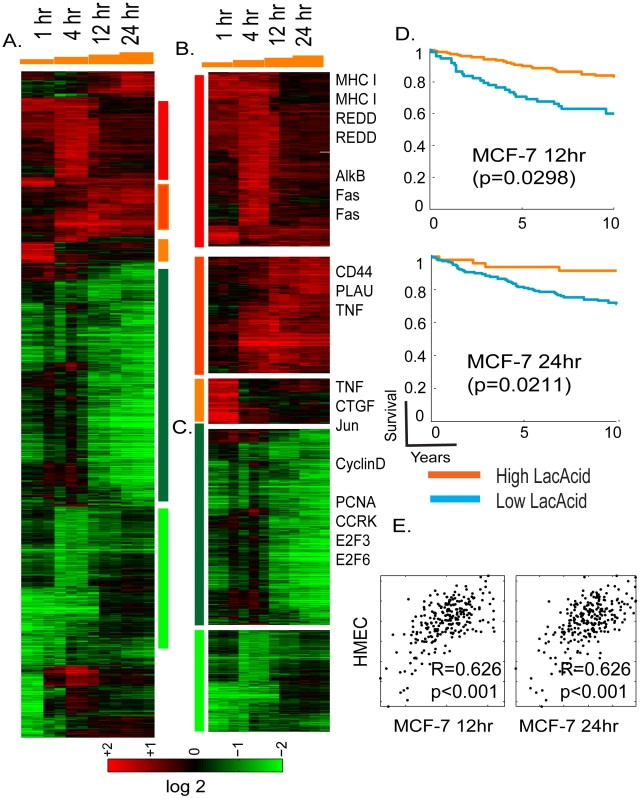
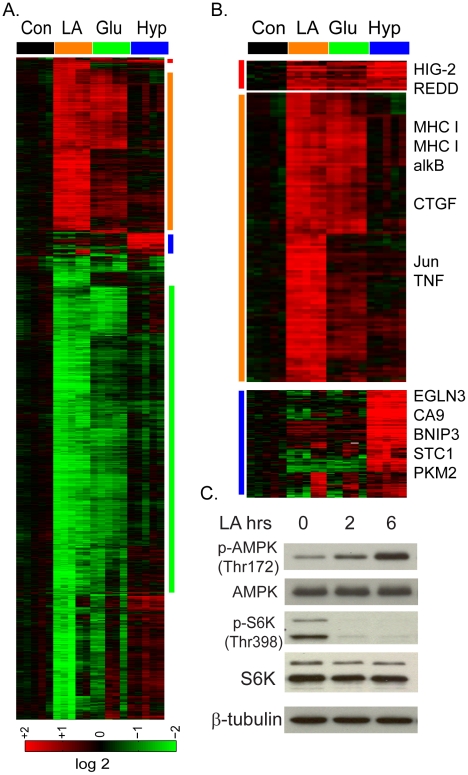
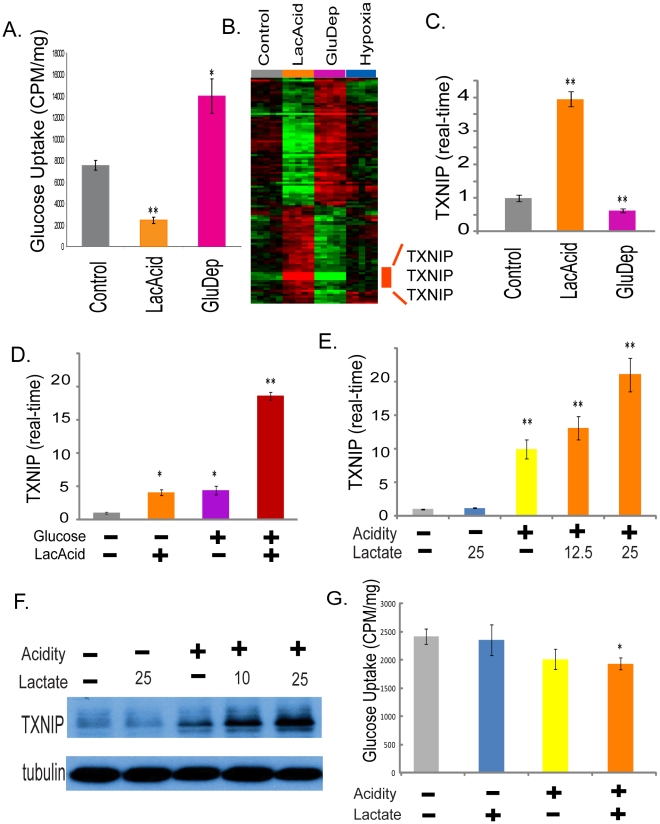
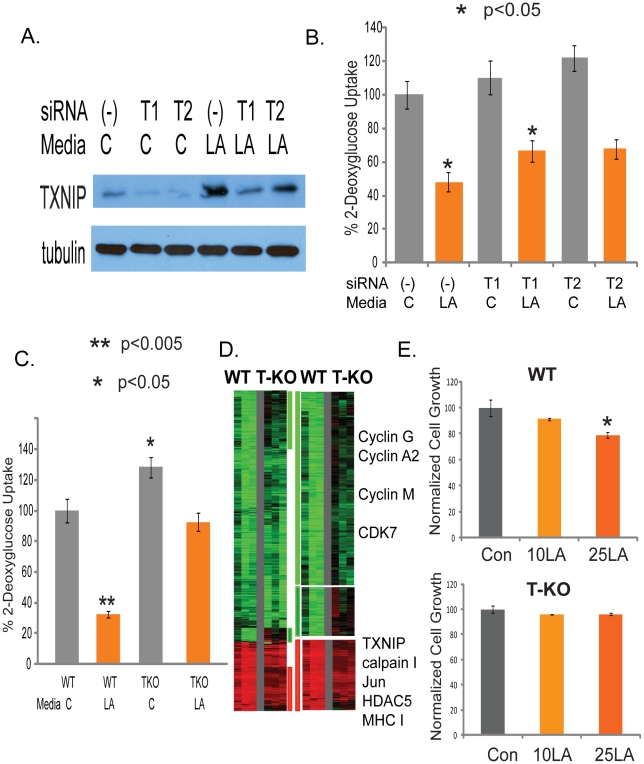
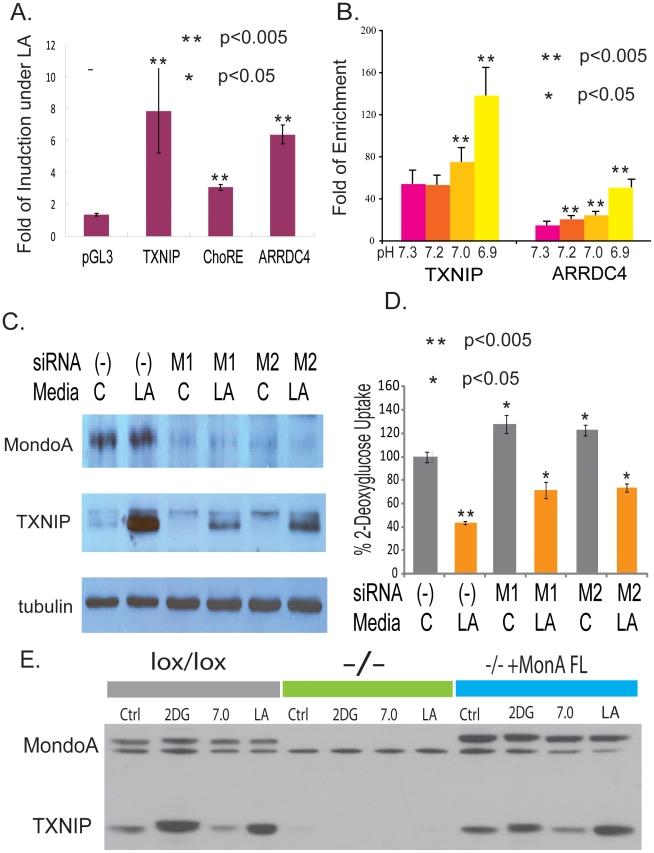
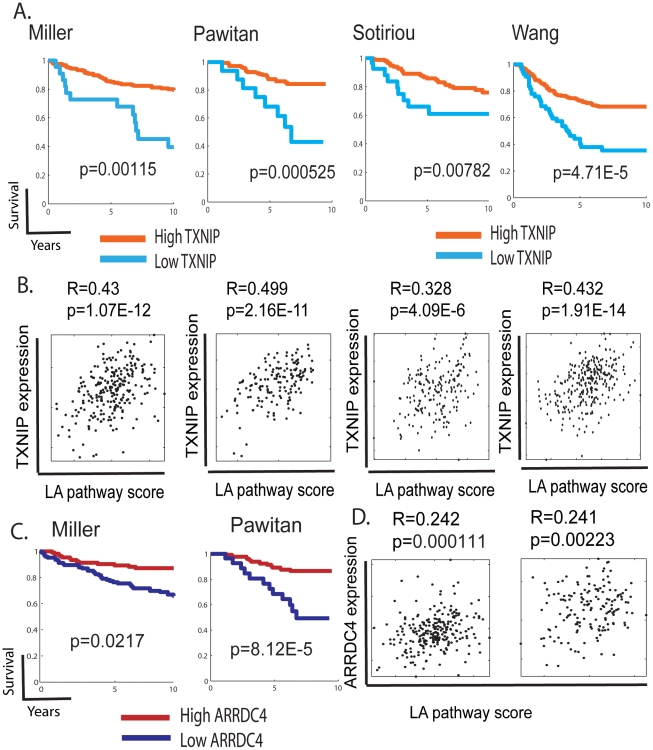
Although lactic acidosis is a prominent feature of solid tumors, we still have limited understanding of the mechanisms by which lactic acidosis influences metabolic phenotypes of cancer cells. We compared global transcriptional responses of breast cancer cells in response to three distinct tumor microenvironmental stresses: lactic acidosis, glucose deprivation, and hypoxia. We found that lactic acidosis and glucose deprivation trigger highly similar transcriptional responses, each inducing features of starvation response. In contrast to their comparable effects on gene expression, lactic acidosis and glucose deprivation have opposing effects on glucose uptake. This divergence of metabolic responses in the context of highly similar transcriptional responses allows the identification of a small subset of genes that are regulated in opposite directions by these two conditions. Among these selected genes, TXNIP and its paralogue ARRDC4 are both induced under lactic acidosis and repressed with glucose deprivation. This induction of TXNIP under lactic acidosis is caused by the activation of the glucose-sensing helix-loop-helix transcriptional complex MondoA:Mlx, which is usually triggered upon glucose exposure. Therefore, the upregulation of TXNIP significantly contributes to inhibition of tumor glycolytic phenotypes under lactic acidosis. Expression levels of TXNIP and ARRDC4 in human cancers are also highly correlated with predicted lactic acidosis pathway activities and associated with favorable clinical outcomes. Lactic acidosis triggers features of starvation response while activating the glucose-sensing MondoA-TXNIP pathways and contributing to the "anti-Warburg" metabolic effects and anti-tumor properties of cancer cells. These results stem from integrative analysis of transcriptome and metabolic response data under various tumor microenvironmental stresses and open new paths to explore how these stresses influence phenotypic and metabolic adaptations in human cancers.
Conflict of interest statement
The authors have declared that no competing interests exist.
Figures
References
-
- Vaupel P. Tumor microenvironmental physiology and its implications for radiation oncology. Semin Radiat Oncol. 2004;14:198–206. - PubMed
-
- Warburg O. On respiratory impairment in cancer cells. Science. 1956;124:269–270. - PubMed
-
- Quennet V, Yaromina A, Zips D, Rosner A, Walenta S, et al. Tumor lactate content predicts for response to fractionated irradiation of human squamous cell carcinomas in nude mice. Radiother Oncol. 2006;81:130–135. - PubMed
-
- Brizel DM, Schroeder T, Scher RL, Walenta S, Clough RW, et al. Elevated tumor lactate concentrations predict for an increased risk of metastases in head-and-neck cancer. Int J Radiat Oncol Biol Phys. 2001;51:349–353. - PubMed
-
- Walenta S, Wetterling M, Lehrke M, Schwickert G, Sundfor K, et al. High lactate levels predict likelihood of metastases, tumor recurrence, and restricted patient survival in human cervical cancers. Cancer Res. 2000;60:916–921. - PubMed
Publication types
MeSH terms
Substances
Grants and funding
LinkOut - more resources
Full Text Sources
Other Literature Sources
Molecular Biology Databases