


Strongyloides stercoralis hyperinfection in a patient with rheumatoid arthritis and bronchial asthma: a case report
- PMID: 20849666
- PMCID: PMC2949791
- DOI: 10.1186/1476-0711-9-27
Strongyloides stercoralis hyperinfection in a patient with rheumatoid arthritis and bronchial asthma: a case report
Abstract
Objective: Strongyloides stercoralis is a soil-transmitted intestinal nematode that has been estimated to infect at least 60 million people, especially in tropical and subtropical regions. Strongyloides infection has been described in immunosupressed patients with lymphoma, rheumatoid arthritis, diabetes mellitus etc. Our case who has rheumatoid arthritis (RA) and bronchial asthma was treated with low dose steroids and methotrexate.
Methods: A 68 year old woman has bronchial asthma for 55 years and also diagnosed RA 7 years ago. She received immunusupressive agents including methotrexate and steroids. On admission at hospital, she was on deflazacort 5 mg/day and methotrexate 15 mg/week. On her physical examination, she was afebrile, had rhonchi and mild epigastric tenderness. She had joint deformities at metacarpophalengeal joints and phalanges but no active arthritis finding.
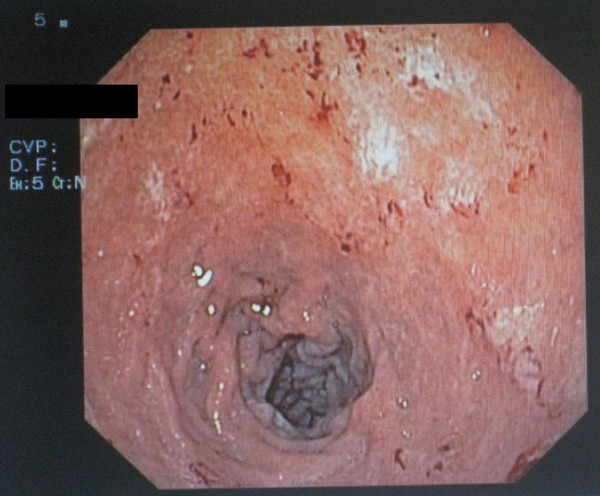
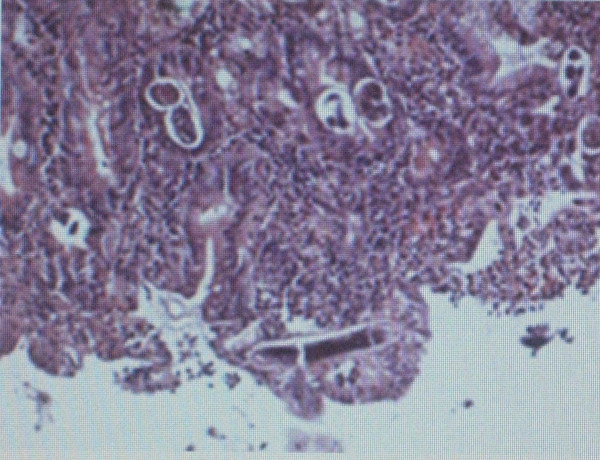
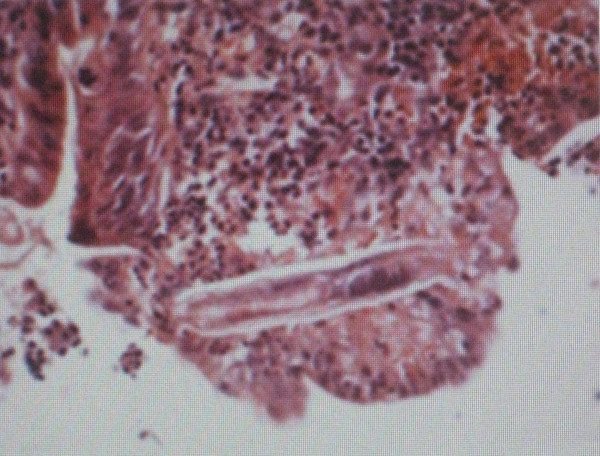
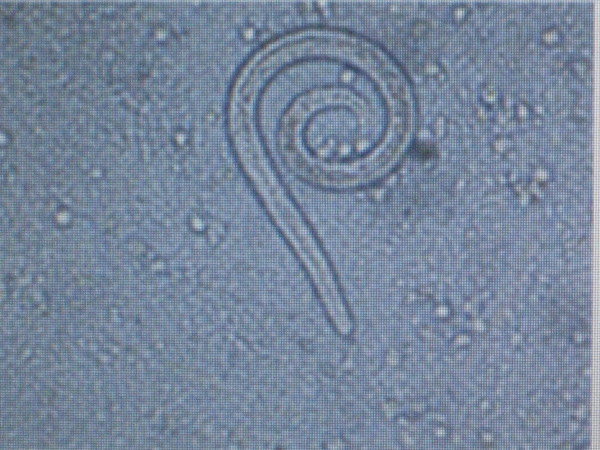
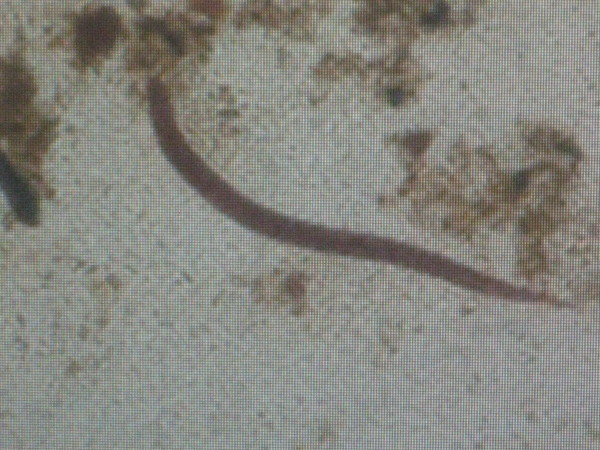
Results: Oesophagogastroduodenoscopy was performed and it showed hemorrhagic focus at bulbus. Gastric biopsy obtained and showed evidence of S.Stercoralis infection. Stool and sputum parasitological examinations were also all positive for S.stercoralis larvae. Chest radiography result had no pathologic finding. Albendazole 400 mg/day was started for 23 days. After the ivermectin was retrieved, patient was treated with oral ivermectin 200 μg once a day for 3 days. On her outpatient control at 15th day, stool and sputum samples were all negative for parasites.
Conclusion: S.stercoralis may cause mortal diseases in patients. Immunosupression frequently causes disseminated infections. Many infected patients are completely asymptomatic. Although it is important to detect latent S. stercoralis infections before administering chemotherapy or before the onset of immunosuppression in patients at risk, a specific and sensitive diagnostic test is lacking. In immunosupressed patients, to detect S.stercoralis might help to have the patient survived and constitute the exact therapy.
Figures
References
-
- Eduardo G, Angelica T, Humberto A, Raul T, Rosa I, M Watts Douglas, David OF. Strongyloides stercoralis hyperinfection associated with human T cell lymphotropic virus type-1 infection in Peru. Am J Trop Med Hyg. 1999;60(1):146–149. - PubMed
-
- Koosha S, Fesharaki M, Rokni MB. Comparison of enzyme-linked immunosorbent assay and indirect immunofluorescence assay in the diagnosis of human strongyloidiasis. Indian Society of Gastroenterology. 2004;23:214–16. - PubMed
Publication types
MeSH terms
Substances
LinkOut - more resources
Full Text Sources
Medical
