


Glucocorticoid insensitivity as a future target of therapy for chronic obstructive pulmonary disease
- PMID: 20856829
- PMCID: PMC2939685
- DOI: 10.2147/copd.s7390
Glucocorticoid insensitivity as a future target of therapy for chronic obstructive pulmonary disease
Abstract
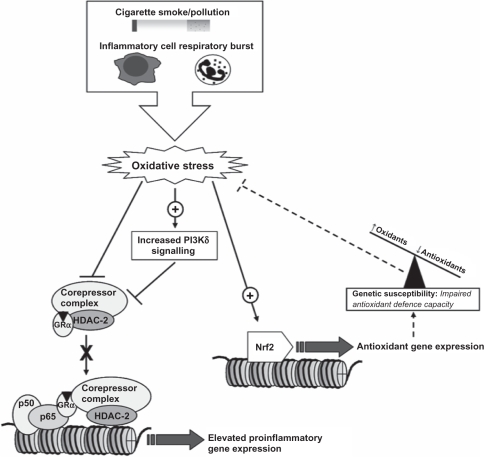
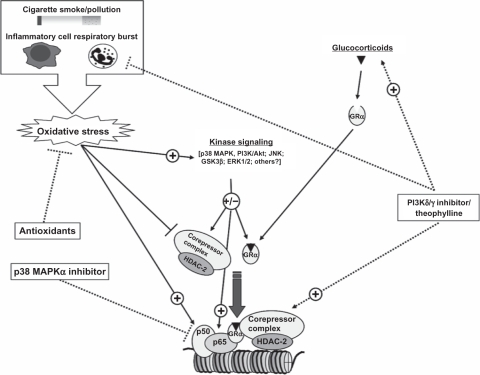
Chronic obstructive pulmonary disease (COPD) is characterized by an abnormal and chronic inflammatory response in the lung that underlies the chronic airflow obstruction of the small airways, the inexorable decline of lung function, and the severity of the disease. The control of this inflammation remains a key strategy for treating the disease; however, there are no current anti-inflammatory treatments that are effective. Although glucocorticoids (GCs) effectively control inflammation in many diseases such as asthma, they are less effective in COPD. The molecular mechanisms that contribute to the development of this relative GC-insensitive inflammation in the lung of patients with COPD remain unclear. However, recent studies have indicated novel mechanisms and possible therapeutic strategies. One of the major mechanisms proposed is an oxidant-mediated alteration in the signaling pathways in the inflammatory cells in the lung, which may result in the impairment of repressor proteins used by the GC receptor to inhibit the transcription of proinflammatory genes. Although these studies have described mechanisms and targets by which GC function can be restored in cells from patients with COPD, more work is needed to completely elucidate these and other pathways that may be involved in order to allow for more confident therapeutic targeting. Given the relative GC-insensitive nature of the inflammation in COPD, a combination of therapies in addition to a restoration of GC function, including effective alternative anti-inflammatory targets, antioxidants, and proresolving therapeutic strategies, is likely to provide better targeting and improvement in the management of the disease.
Keywords: histone deacetylase; inflammation; oxidative stress; p38 mitogen-activated protein kinase; phosphoinositol 3-kinase.
Figures
References
-
- Chung KF, Adcock IM. Multifaceted mechanisms in COPD: inflammation, immunity, and tissue repair and destruction. Eur Respir J. 2008;31(6):1334–1356. - PubMed
-
- Hogg JC, Chu F, Utokaparch S, et al. The nature of small-airway obstruction in chronic obstructive pulmonary disease. N Engl J Med. 2004;350(26):2645–2653. - PubMed
-
- Rabe KF, Hurd S, Anzueto A, et al. Global strategy for the diagnosis, management, and prevention of chronic obstructive pulmonary disease: GOLD executive summary. Am J Respir Crit Care Med. 2007;176(6):532–555. - PubMed
-
- Mannino DM, Buist AS. Global burden of COPD: risk factors, prevalence, and future trends. Lancet. 2007;370(9589):765–773. - PubMed
-
- Buist AS, McBurnie MA, Vollmer WM, et al. International variation in the prevalence of COPD (the BOLD Study): a population-based prevalence study. Lancet. 2007;370(9589):741–750. - PubMed
Publication types
MeSH terms
Substances
Grants and funding
LinkOut - more resources
Full Text Sources
Medical
Miscellaneous
