


Human regulatory T cells in autoimmune diseases
- PMID: 20869862
- PMCID: PMC2997859
- DOI: 10.1016/j.coi.2010.08.012
Human regulatory T cells in autoimmune diseases
Abstract
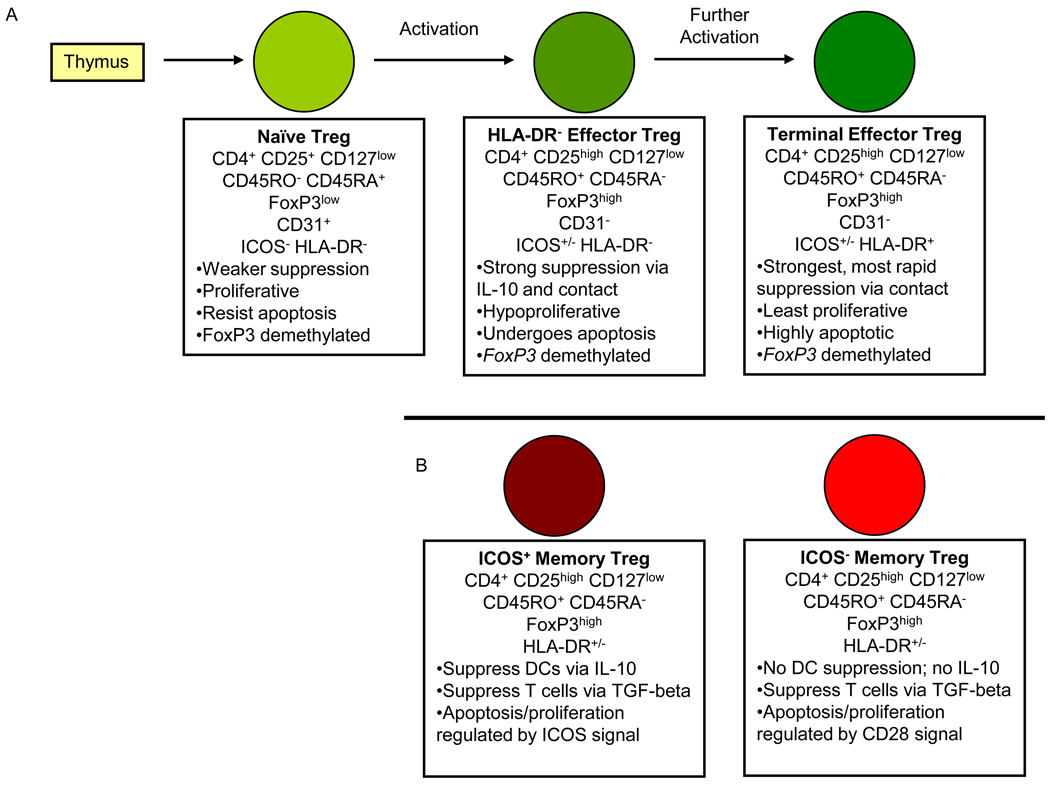
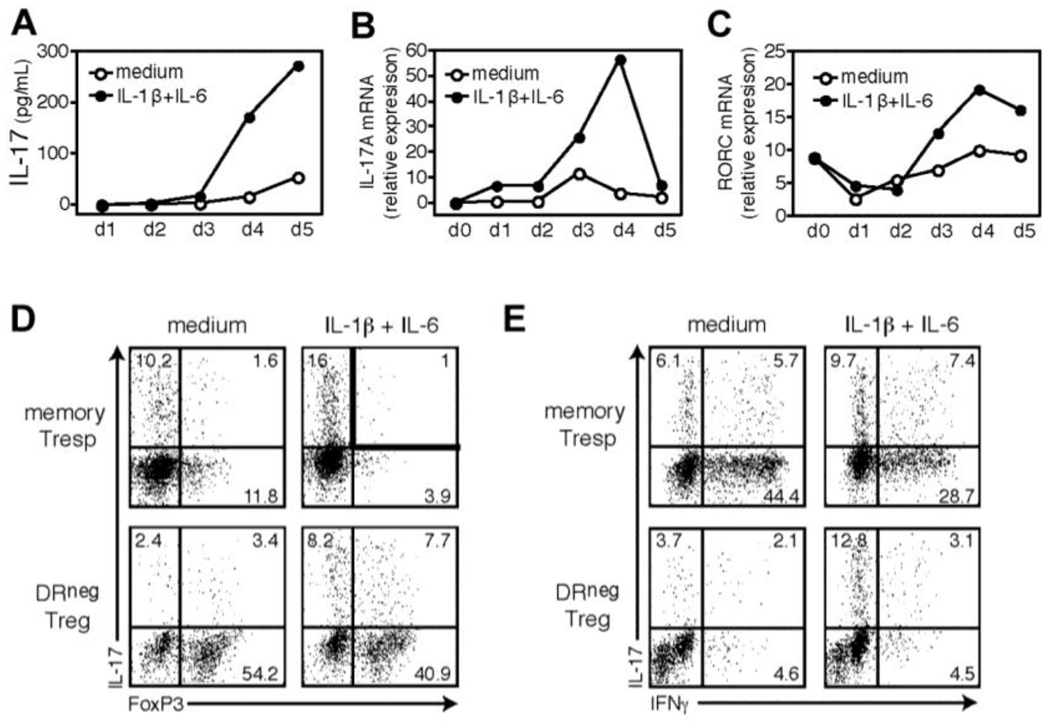
Human regulatory T cells (Tregs) play a critical role in preventing autoimmunity, and their failure contributes to autoimmune diseases. In recent years, our understanding of human Tregs has been greatly enhanced by improvements in the definition and isolation of pure human Tregs, as well as by the discovery of phenotypically and functionally distinct human Treg subsets. This progress has also yielded a better understanding of the mechanisms of human Treg suppression and the role of human Tregs in autoimmune diseases. An unexpected discovery is that human Tregs have considerable plasticity that allows them to produce the pro-inflammatory cytokine IL-17 under certain conditions. These recent advances highlight the importance of studying the roles of both mouse and human Tregs in autoimmunity.
Copyright © 2010 Elsevier Ltd. All rights reserved.
Figures
References
-
- Stephens LA, Mottet C, Mason D, Powrie F. Human CD4(+)CD25(+) thymocytes and peripheral T cells have immune suppressive activity in vitro. Eur J Immunol. 2001;31:1247–1254. - PubMed
-
- Baecher-Allan C, Brown JA, Freeman GJ, Hafler DA. CD4+CD25high regulatory cells in human peripheral blood. J Immunol. 2001;167:1245–1253. - PubMed
-
- Taams LS, Smith J, Rustin MH, Salmon M, Poulter LW, Akbar AN. Human anergic/suppressive CD4(+)CD25(+) T cells: a highly differentiated and apoptosis-prone population. Eur J Immunol. 2001;31:1122–1131. - PubMed
Publication types
MeSH terms
Grants and funding
LinkOut - more resources
Full Text Sources
Other Literature Sources
Medical
