


Evaluation of an in vitro toxicogenetic mouse model for hepatotoxicity
- PMID: 20869979
- PMCID: PMC2980592
- DOI: 10.1016/j.taap.2010.09.012
Evaluation of an in vitro toxicogenetic mouse model for hepatotoxicity
Abstract
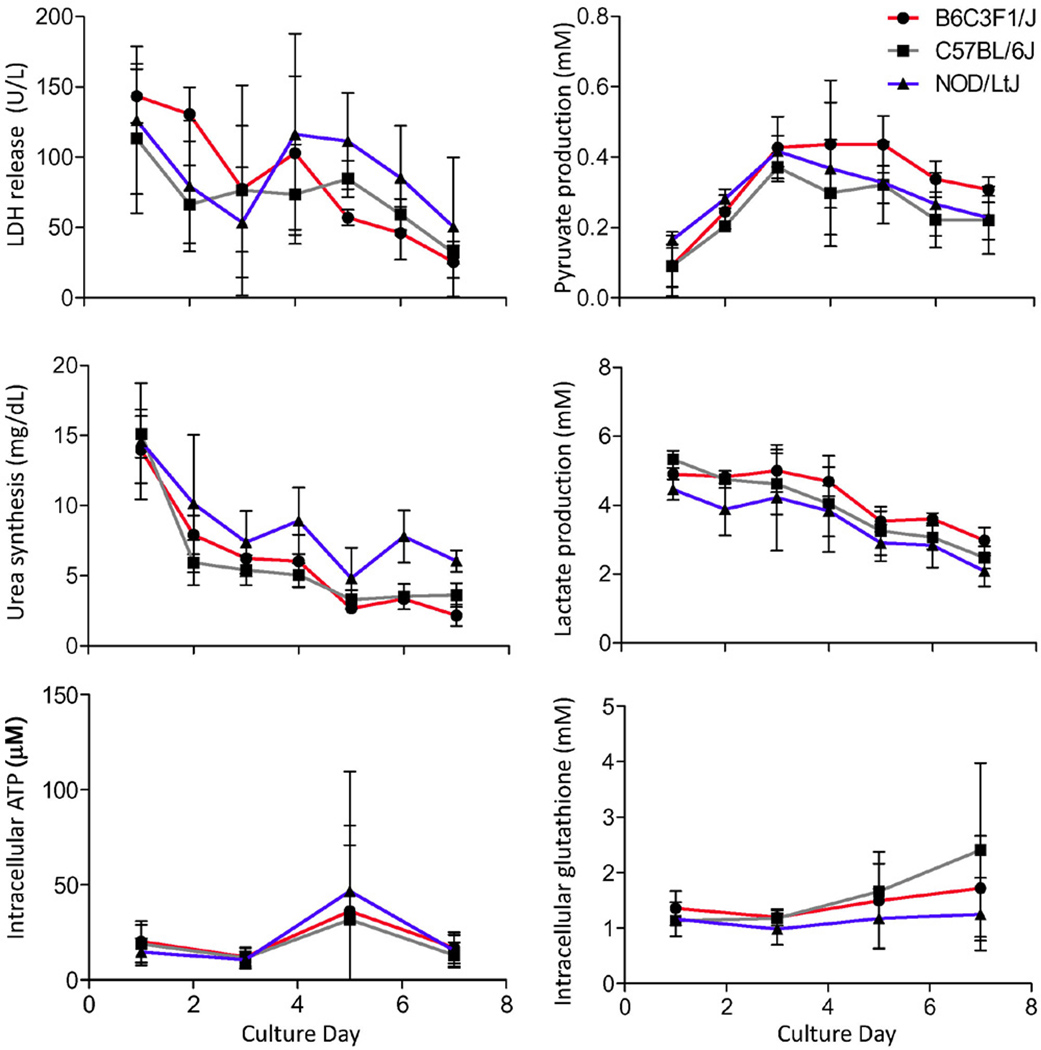
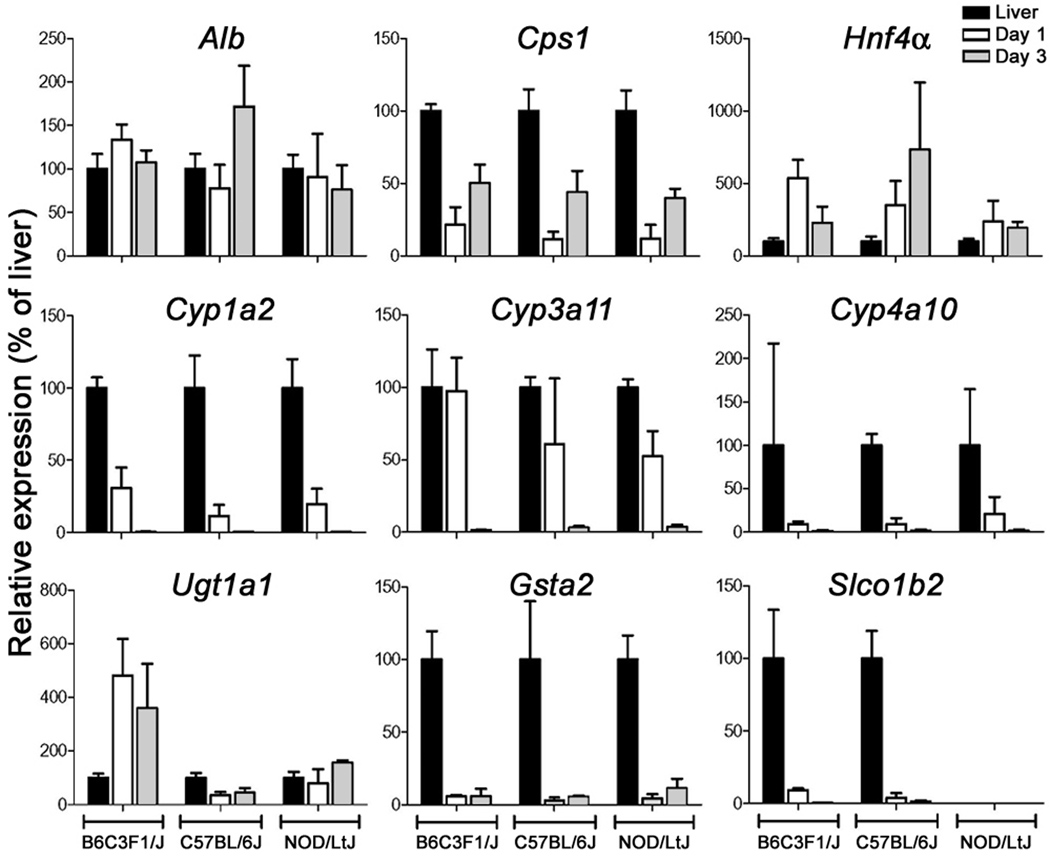
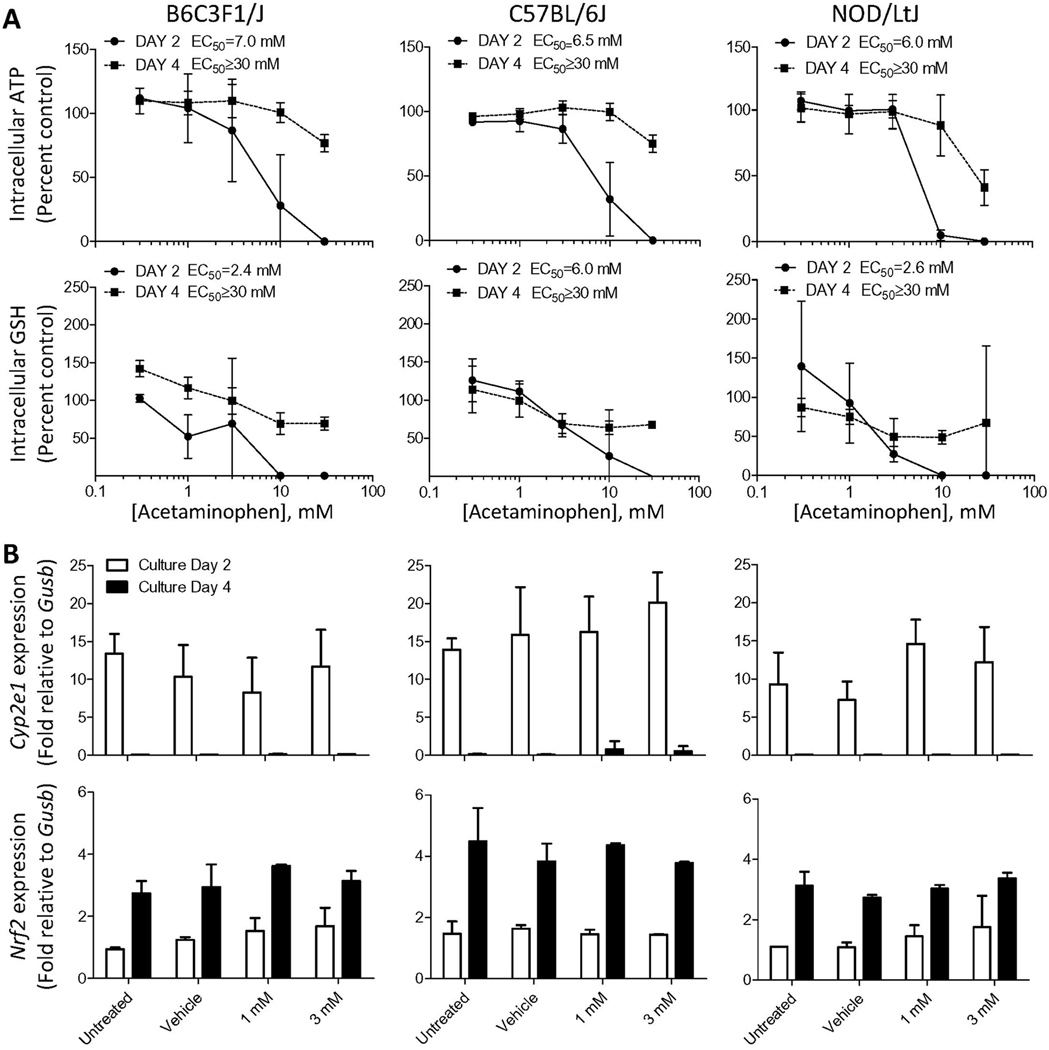
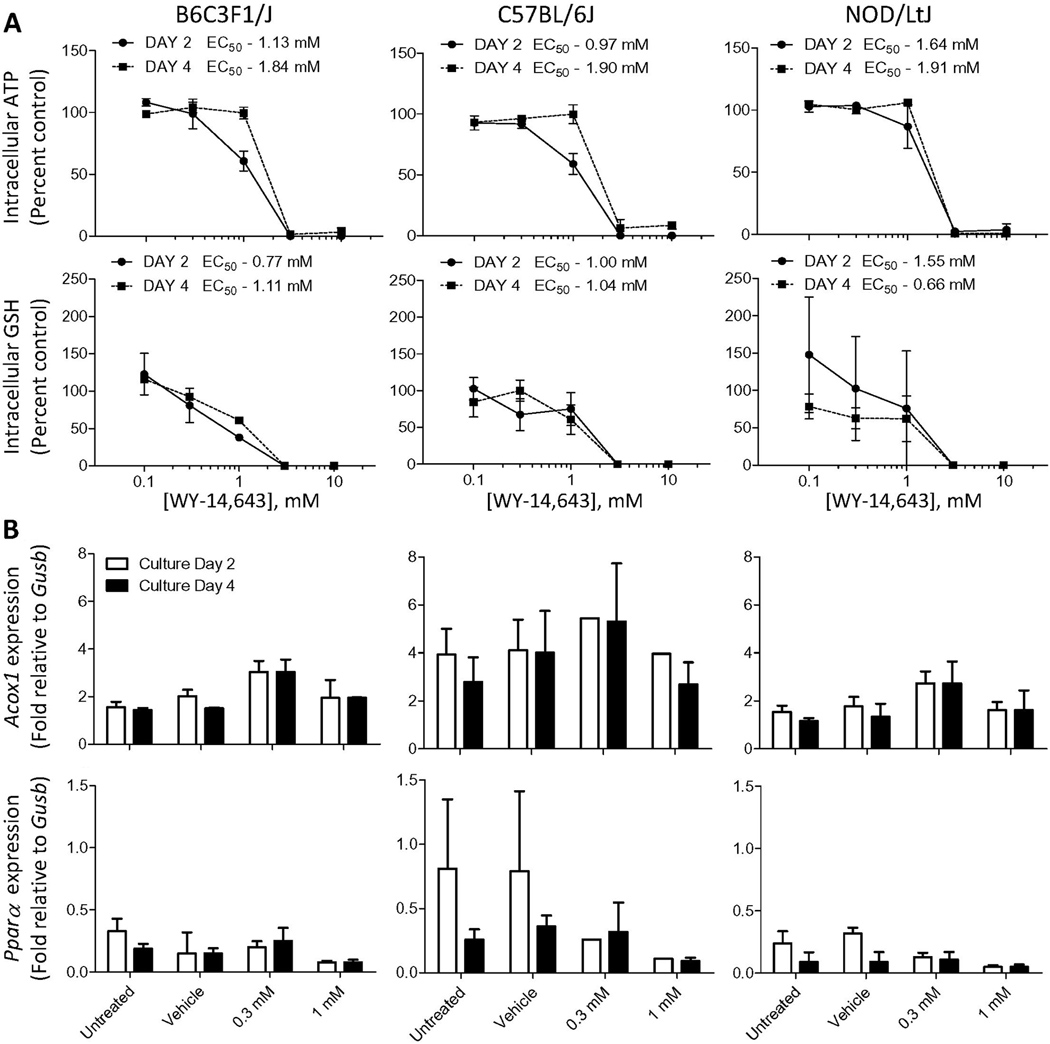
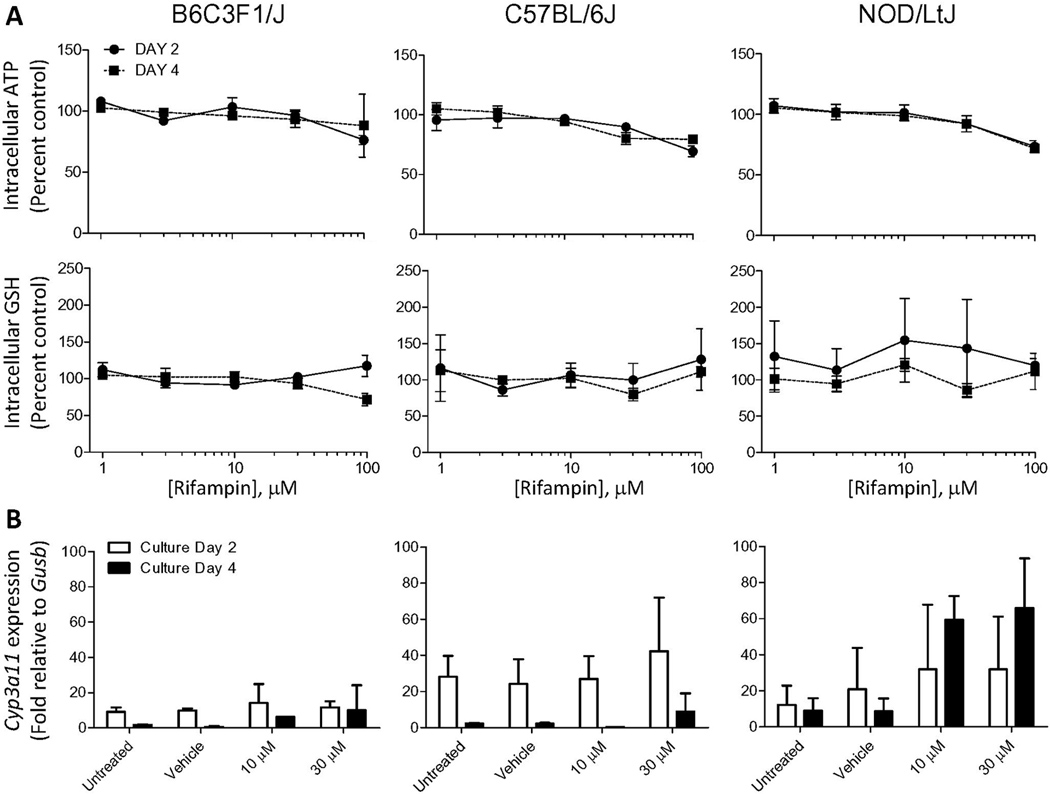
Numerous studies support the fact that a genetically diverse mouse population may be useful as an animal model to understand and predict toxicity in humans. We hypothesized that cultures of hepatocytes obtained from a large panel of inbred mouse strains can produce data indicative of inter-individual differences in in vivo responses to hepato-toxicants. In order to test this hypothesis and establish whether in vitro studies using cultured hepatocytes from genetically distinct mouse strains are feasible, we aimed to determine whether viable cells may be isolated from different mouse inbred strains, evaluate the reproducibility of cell yield, viability and functionality over subsequent isolations, and assess the utility of the model for toxicity screening. Hepatocytes were isolated from 15 strains of mice (A/J, B6C3F1, BALB/cJ, C3H/HeJ, C57BL/6J, CAST/EiJ, DBA/2J, FVB/NJ, BALB/cByJ, AKR/J, MRL/MpJ, NOD/LtJ, NZW/LacJ, PWD/PhJ and WSB/EiJ males) and cultured for up to 7 days in traditional 2-dimensional culture. Cells from B6C3F1, C57BL/6J, and NOD/LtJ strains were treated with acetaminophen, WY-14,643 or rifampin and concentration-response effects on viability and function were established. Our data suggest that high yield and viability can be achieved across a panel of strains. Cell function and expression of key liver-specific genes of hepatocytes isolated from different strains and cultured under standardized conditions are comparable. Strain-specific responses to toxicant exposure have been observed in cultured hepatocytes and these experiments open new opportunities for further developments of in vitro models of hepatotoxicity in a genetically diverse population.
Copyright © 2010 Elsevier Inc. All rights reserved.
Conflict of interest statement
The authors declare no conflicts other than E. LeCluyse declaring that he was employed by and consulted for Invitrogen/LifeTechnologies, a supplier of primary hepatocytes for commercial purposes, when this study was contacted.
Figures
References
-
- Acosta D, Sorensen EM, Anuforo DC, Mitchell DB, Ramos K, Santone KS, Smith MA. An in vitro approach to the study of target organ toxicity of drugs and chemicals. In Vitro Cell Dev. Biol. 1985;21:495–504. - PubMed
-
- Akiyama TE, Gonzalez FJ. Regulation of P450 genes by liver-enriched transcription factors and nuclear receptors. Biochim. Biophys. Acta. 2003;1619:223–234. - PubMed
-
- Allen DG, Pearse G, Haseman JK, Maronpot RR. Prediction of rodent carcinogenesis: an evaluation of prechronic liver lesions as forecasters of liver tumors in NTP carcinogenicity studies. Toxicol Pathol. 2004;32:393–401. - PubMed
-
- Bergmeyer HU. Methods of enzymatic analysis. New York: Academic Press; 1988.
Publication types
MeSH terms
Substances
Grants and funding
LinkOut - more resources
Full Text Sources
Miscellaneous
