


Nanoparticle-based therapeutic delivery of prohibitin to the colonic epithelial cells ameliorates acute murine colitis
- PMID: 20872832
- PMCID: PMC3012155
- DOI: 10.1002/ibd.21469
Nanoparticle-based therapeutic delivery of prohibitin to the colonic epithelial cells ameliorates acute murine colitis
Abstract
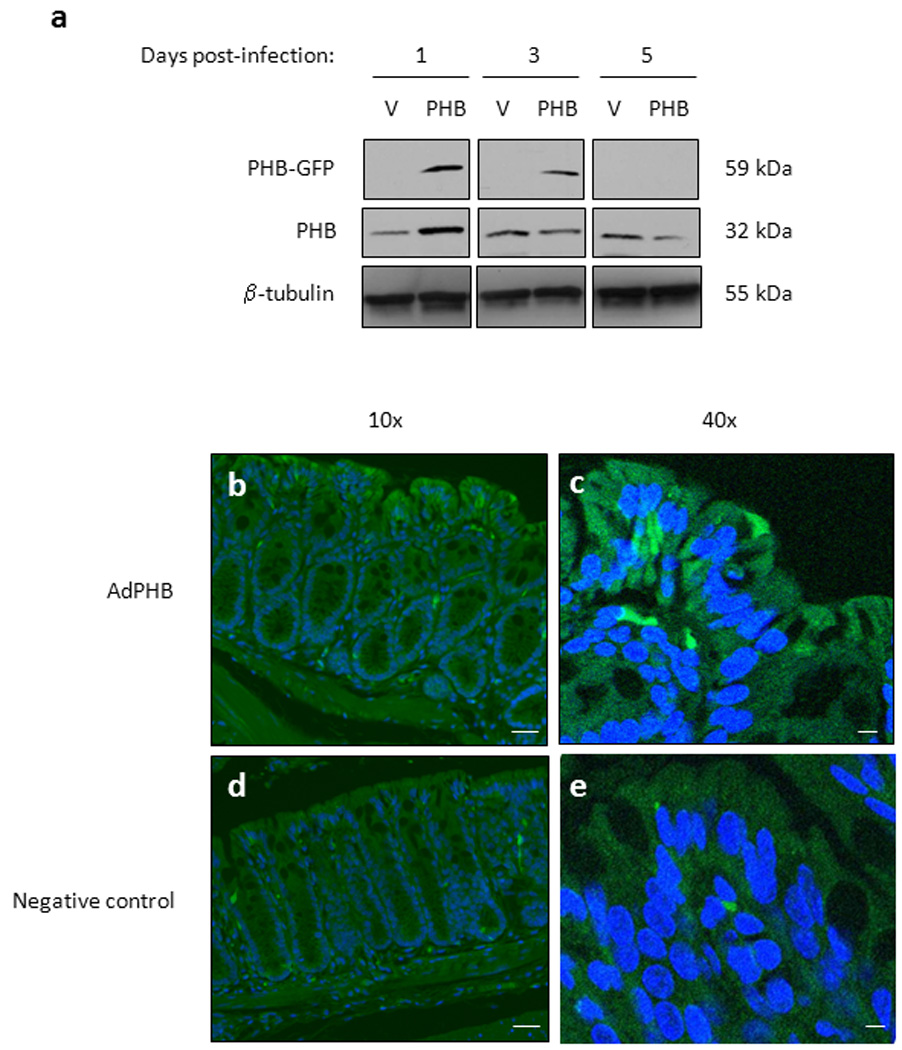
Background: Intestinal epithelial expression of antioxidants and nuclear factor kappa B (NF-κB) contribute to mucosal barrier integrity and epithelial homeostasis, two key events in the pathogenesis of inflammatory bowel disease (IBD). Genetic restoration of intestinal epithelial prohibitin 1 (PHB) levels during experimental colitis reduces the severity of disease through sustained epithelial antioxidant expression and reduced NF-κB activation. To determine the therapeutic potential of restoring epithelial PHB during experimental colitis in mice, we assessed two methods of PHB colonic mucosal delivery: adenovirus-directed administration by enema and poly(lactic acid) nanoparticle (NPs) delivery by gavage.
Methods: As a proof-of-principle to demonstrate the therapeutic efficacy of PHB, we utilized adenovirus-directed administration by enema. Second, we used NPs-based colonic delivery of biologically active PHB to demonstrate therapeutic use for human IBD. Colitis was induced by oral administration of dextran sodium sulfate (DSS) in water for 6-7 days. Wildtype mice receiving normal tap water served as controls.
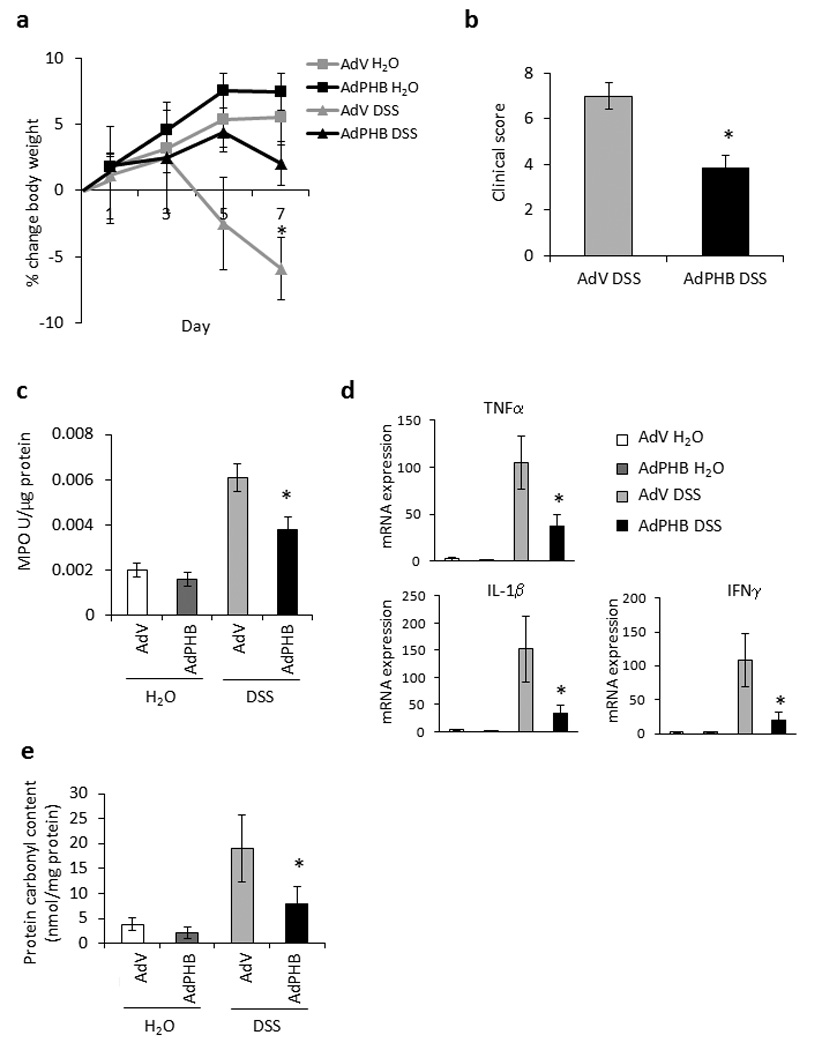
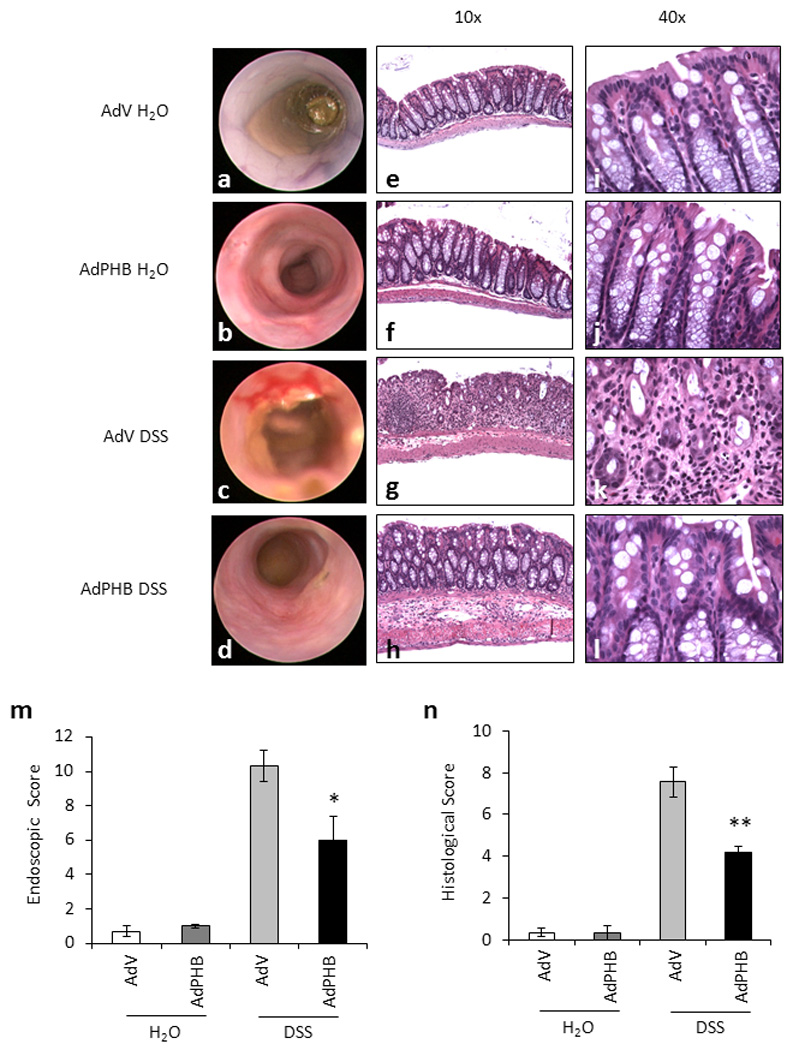
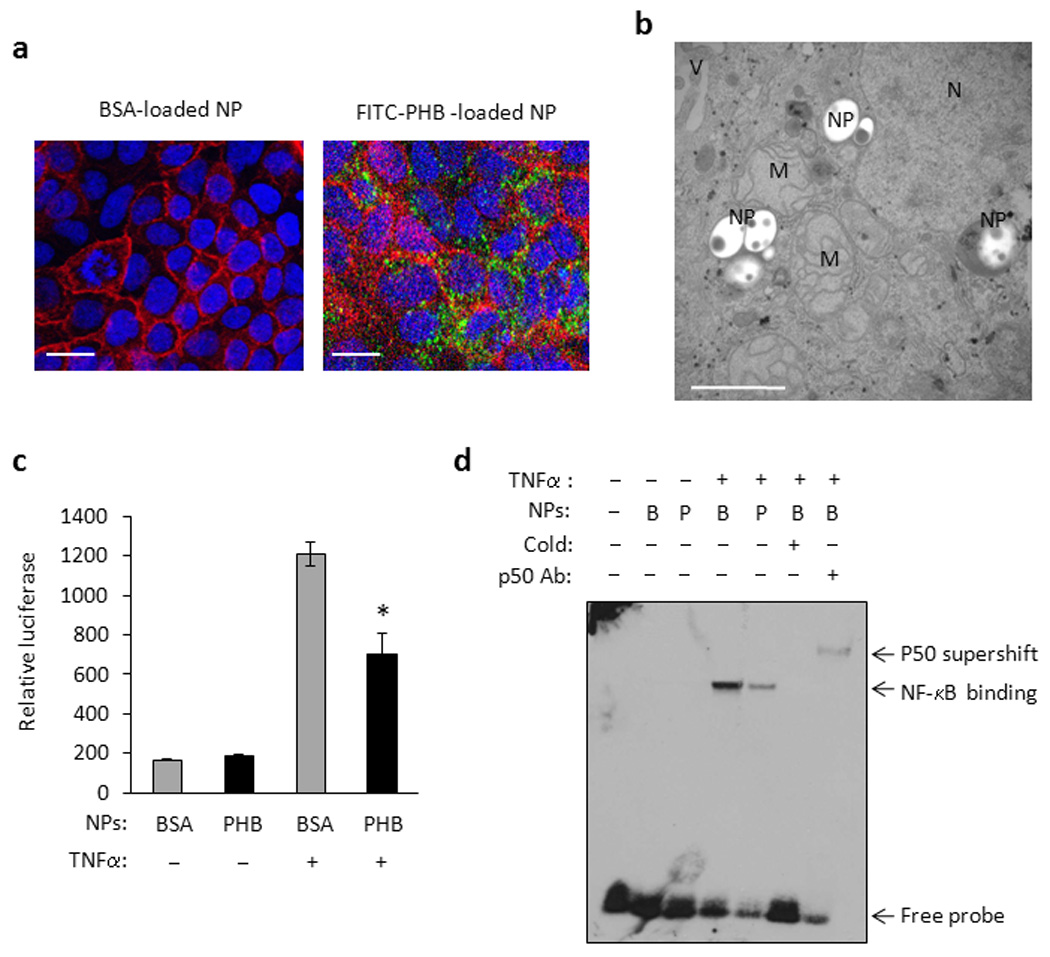
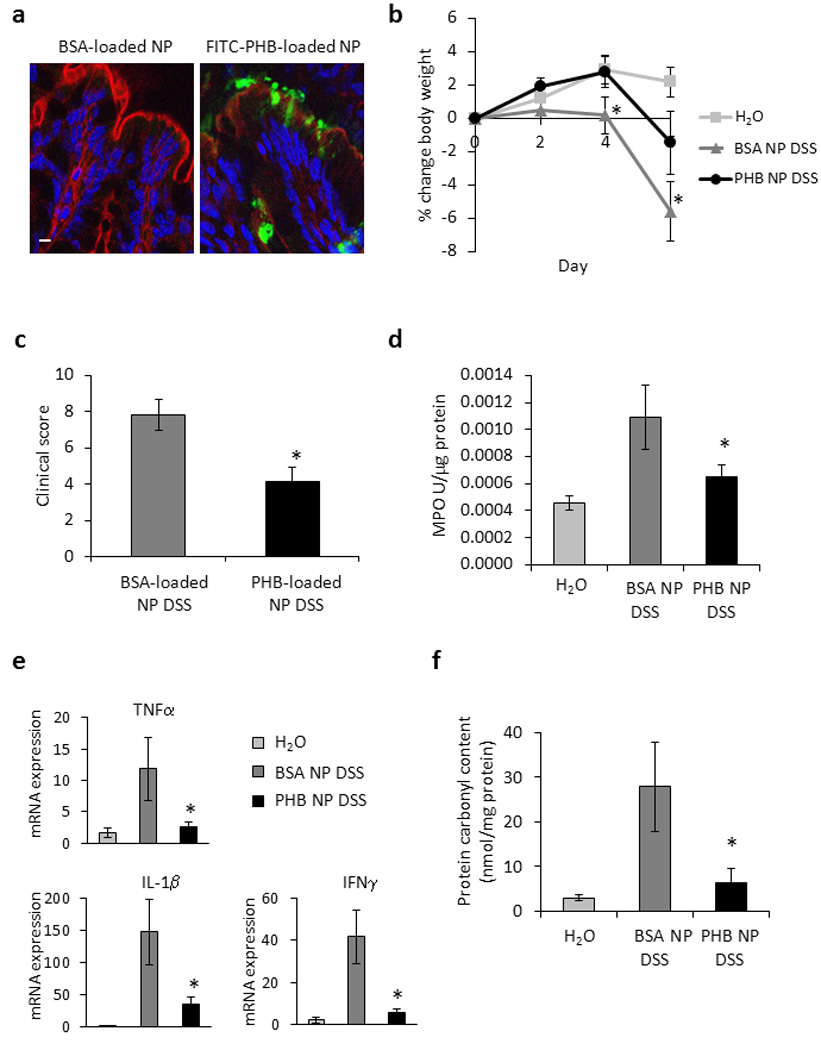
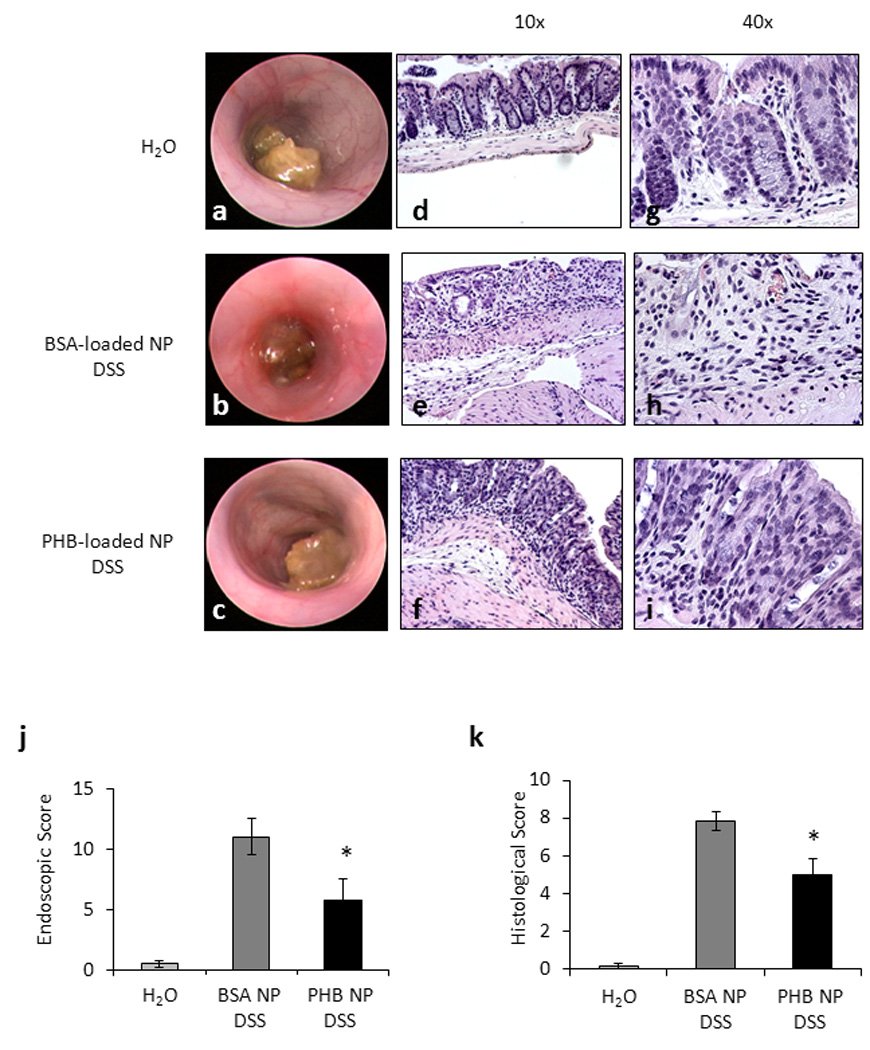
Results: Both methods of delivery resulted in increased levels of PHB in the surface epithelial cells of the colon and reduced severity of DSS-induced colitis in mice as measured by body weight loss, clinical score, myeloperoxidase activity, proinflammatory cytokine expression, histological score, and protein carbonyl content.
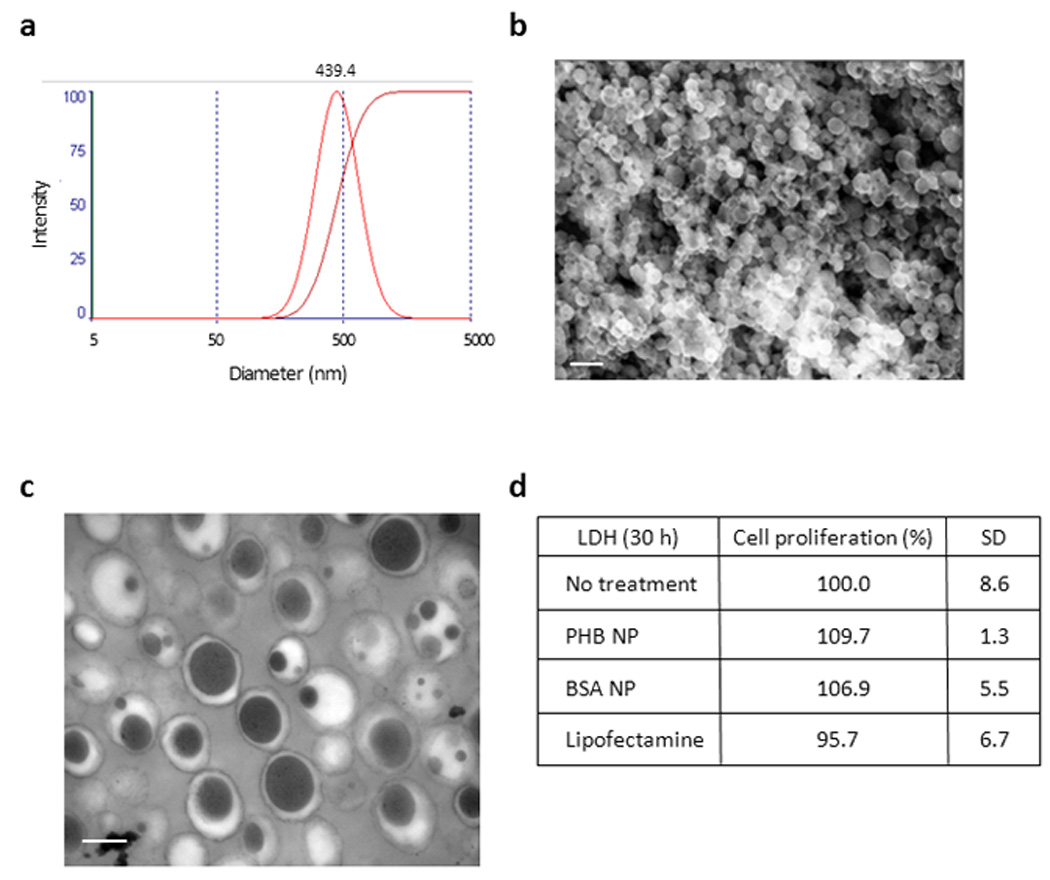
Conclusions: This is the first study to show oral delivery of a biologically active protein by NPs encapsulated in hydrogel to the colon. Here we show that therapeutic delivery of PHB to the colon reduces the severity of DSS-induced colitis in mice. PHB may represent a novel therapeutic target in IBD.
Copyright © 2010 Crohn's & Colitis Foundation of America, Inc.
Conflict of interest statement
Conflicts of Interest: The authors disclose no conflicts.
Figures
References
-
- Ma TY, Iwamoto GK, Hoa NT, et al. TNF-alpha-induced increase in intestinal epithelial tight junction permeability requires NF-kappa B activation. Am J Physiol Gastrointest Liver Physiol. 2004;286:G367–G376. - PubMed
-
- Ali S, Mann DA. Signal transduction via the NF-kappaB pathway: a targeted treatment modality for infection, inflammation and repair. Cell Biochem Funct. 2004;22:67–79. - PubMed
-
- Steinbrecher KA, Harmel-Laws E, Sitcheran R, et al. Loss of epithelial RelA results in deregulated intestinal proliferative/apoptotic homeostasis and susceptibility to inflammation. J Immunol. 2008;180:2588–2599. - PubMed
-
- Artal-Sanz M, Tsang WY, Willems EM, et al. The mitochondrial prohibitin complex is essential for embryonic viability and germline function in Caenorhabditis elegans. J Biol Chem. 2003;278:32091–32099. - PubMed
Publication types
MeSH terms
Substances
Grants and funding
- R01-DK06411/DK/NIDDK NIH HHS/United States
- K01 DK085222/DK/NIDDK NIH HHS/United States
- R24-DK064399/DK/NIDDK NIH HHS/United States
- R01 HD057235/HD/NICHD NIH HHS/United States
- R01 DK071594/DK/NIDDK NIH HHS/United States
- R01 DK064711/DK/NIDDK NIH HHS/United States
- R24 DK064399/DK/NIDDK NIH HHS/United States
- R01 DK061941/DK/NIDDK NIH HHS/United States
- R01-DK061941/DK/NIDDK NIH HHS/United States
- F32 DK076243/DK/NIDDK NIH HHS/United States
- R01-HD057235/HD/NICHD NIH HHS/United States
- K01-DK085222/DK/NIDDK NIH HHS/United States
LinkOut - more resources
Full Text Sources
Research Materials
Miscellaneous