


Inflammatory mechanisms of stroke
- PMID: 20876499
- PMCID: PMC2963080
- DOI: 10.1161/STROKEAHA.110.594945
Inflammatory mechanisms of stroke
Abstract
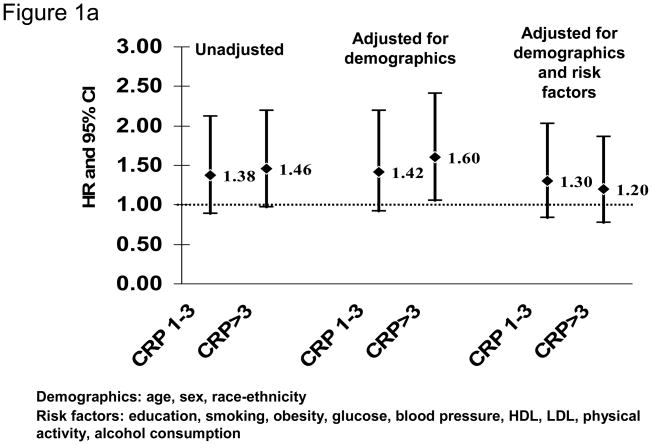
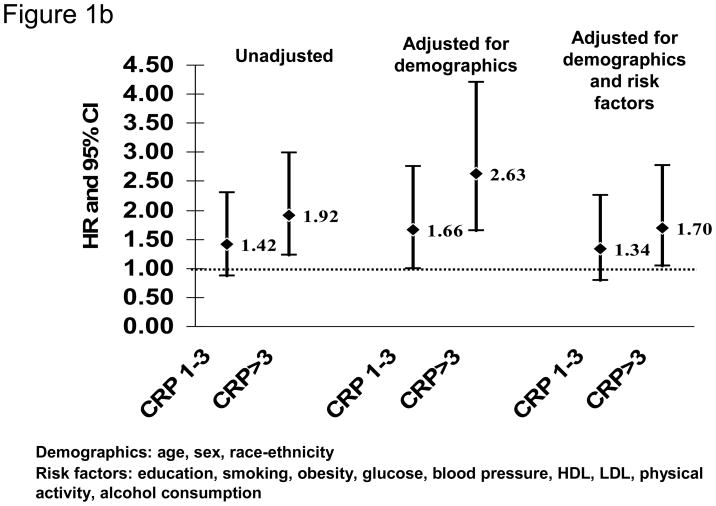
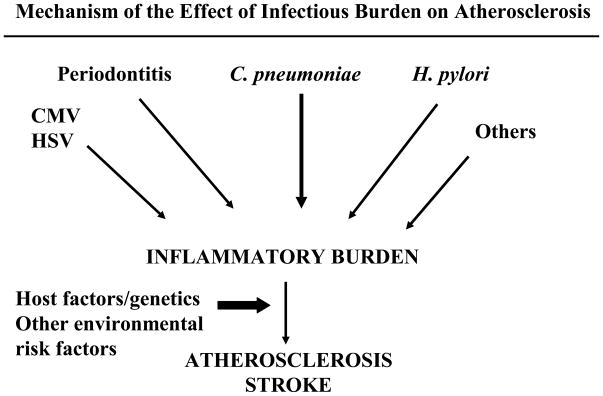
Basic and clinical research provides evidence that inflammatory mechanisms play a central role in the pathogenesis and progression of atherosclerosis, plaque rupture, thrombosis, and stroke. Inflammatory biomarkers such as high-sensitivity C-reactive protein have been identified as predictors of first stroke and prognosis after stroke. The value of high-sensitivity C-reactive protein and other markers may depend on the characteristics of the study population; their utility may be less among populations with high vascular risk. A recent randomized, clinical trial suggests that the use of rosuvastatin therapy in otherwise healthy patients with high-sensitivity C-reactive protein >2 mg/dL can reduce the risk of a first stroke by 50%. The prognostic role of high-sensitivity C-reactive protein among patients after stroke, however, is less clear, and other biomarkers, including lipoprotein-associated phospholipase A(2), may provide complementary information about the risk of stroke recurrence. Infections, moreover, may contribute to inflammation and stroke risk. Although no single infectious organism is likely to be identified as the direct cause of atherosclerosis, summary measures of multiple chronic infectious exposures, or "infectious burden," have been associated with the risk of stroke and atherosclerosis affecting the carotid arteries. Acute infections have also been found to serve as stroke triggers in epidemiologic studies. Recommendations to vaccinate patients with cardiovascular disease against influenza represent the first specific anti-infective strategy to be used in vascular prophylaxis. Further studies are needed to determine the role of treatment of inflammation and infection in stroke prevention.
Figures
References
-
- Pearson TA, Mensah GA, Alexander RW, Anderson JL, Cannon RO, 3rd, Criqui M, Fadl YY, Fortmann SP, Hong Y, Myers GL, Rifai N, Smith SC, Jr, Taubert K, Tracy RP, Vinicor F. Markers of inflammation and cardiovascular disease. Application to clinical and public health practice. A statement for healthcare professionals from the Centers for Disease Control and Prevention and the American Heart Association. Circulation. 2003;107:499–511. - PubMed
-
- Ridker PM, Cushman M, Stampfer MJ, Tracy RP, Hennekens CH. Inflammation, aspirin, and the risk of cardiovascular disease in apparently healthy men. N Engl J Med. 1997;336:973–9. - PubMed
-
- Ridker PM, Buring JE, Shih J, Matias M, Hennekens CH. Prospective study of C-reactive protein and the risk of future cardiovascular events among apparently healthy women. Circulation. 1998;98:731–3. - PubMed
-
- Ridker PM, Hennekens CH, Buring JE, Rifai N. C-reactive protein and other markers of inflammation in the prediction of cardiovascular disease in women. New Engl J Med. 2000;342(12):836–43. - PubMed
-
- Ridker PM, Rifai N, Rose L, Buring JE, Cook NR. Comparison of C-Reactive Protein and Low-Density Lipoprotein Cholesterol Levels in the Prediction of First Cardiovascular Events. New Engl J Med. 2002;347:1557–1565. - PubMed
Publication types
MeSH terms
Grants and funding
LinkOut - more resources
Full Text Sources
Medical
Research Materials
