


miR-125b promotes growth of prostate cancer xenograft tumor through targeting pro-apoptotic genes
- PMID: 20886540
- PMCID: PMC3017658
- DOI: 10.1002/pros.21270
miR-125b promotes growth of prostate cancer xenograft tumor through targeting pro-apoptotic genes
Abstract
Background: Increasing evidence demonstrates that aberrantly regulated microRNAs (miRNAs) contribute to the initiation and progression of human cancer. We previously have demonstrated that miR-125b stimulated the growth of prostate cancer (CaP) cells. In this study, we further determined the influence of miR-125b on the pathogenesis of CaP.
Methods: To evaluate the effect of miR-125b on xenograft tumor growth, male athymic mice were subcutaneously injected with PC-346C-miR-125b cells that stably overexpressed miR-125b. Potential direct target transcripts of miR-125b were identified using a bioinformatics approach and three miR-125b targeted molecules were confirmed by means of biochemical analyses.
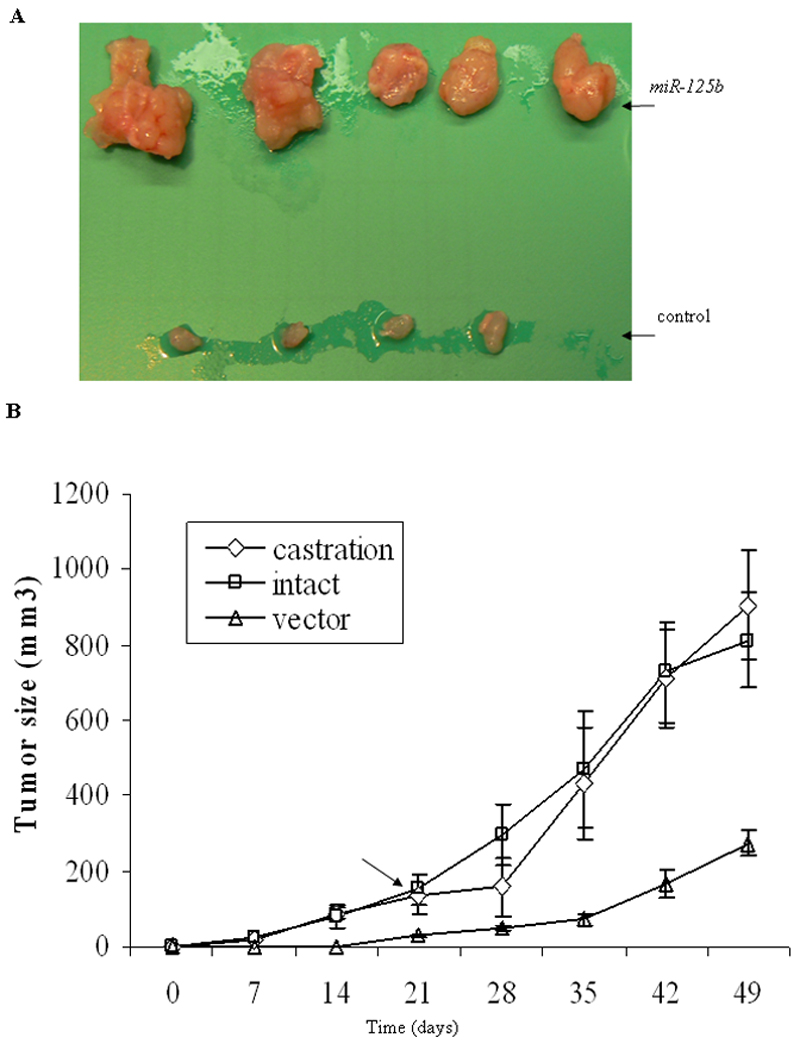
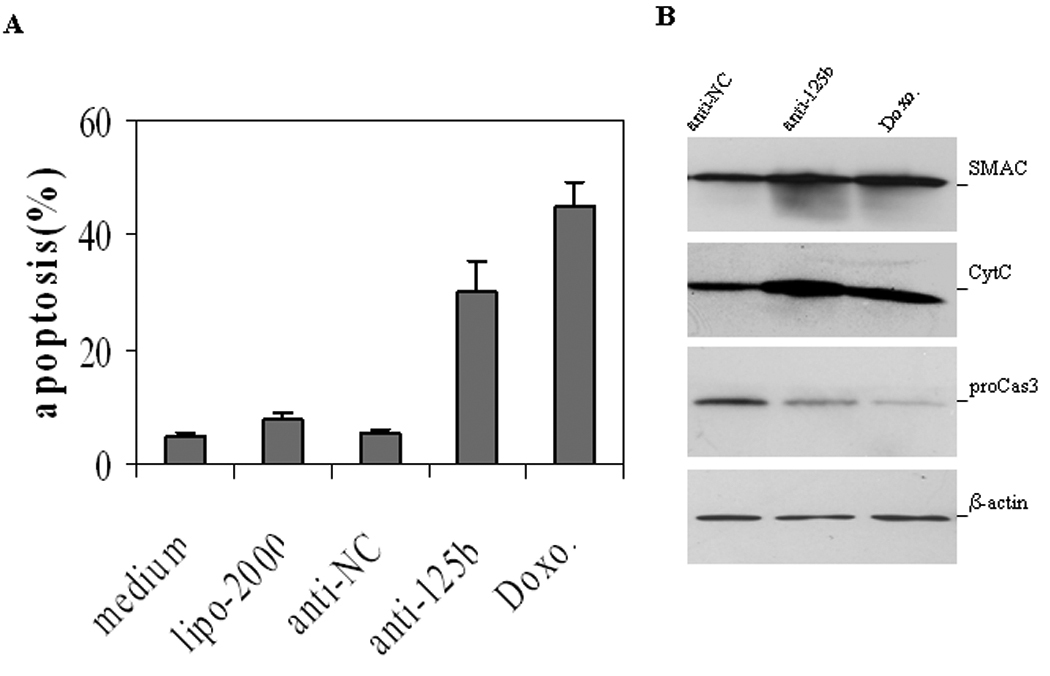
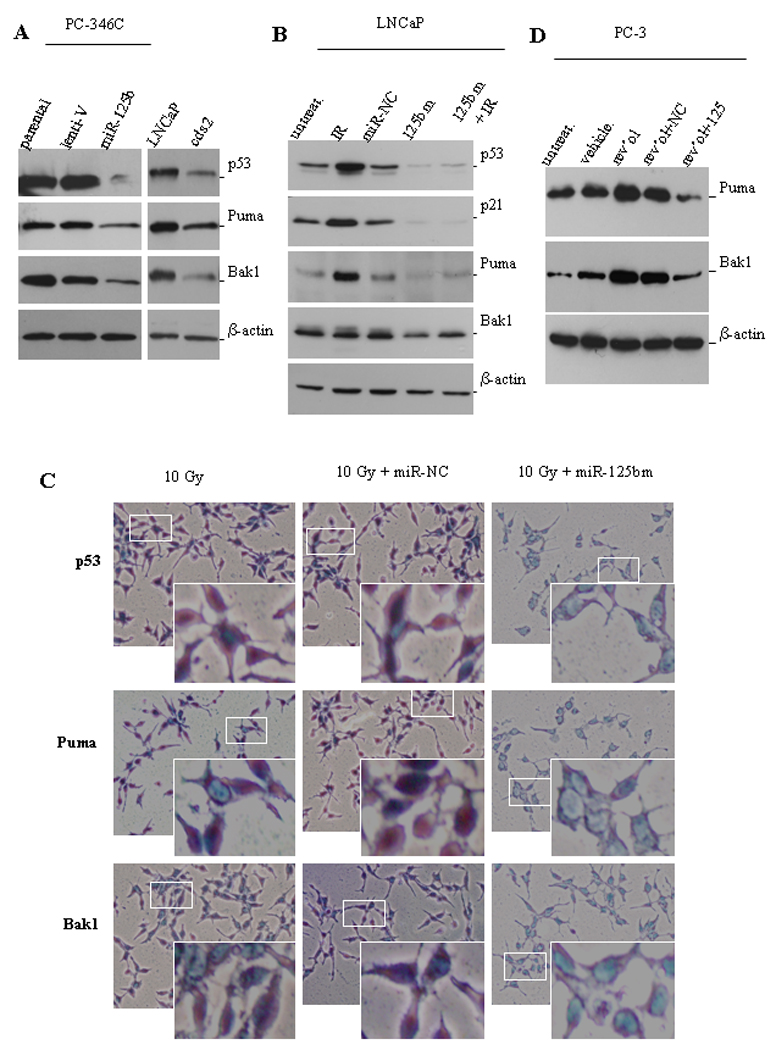
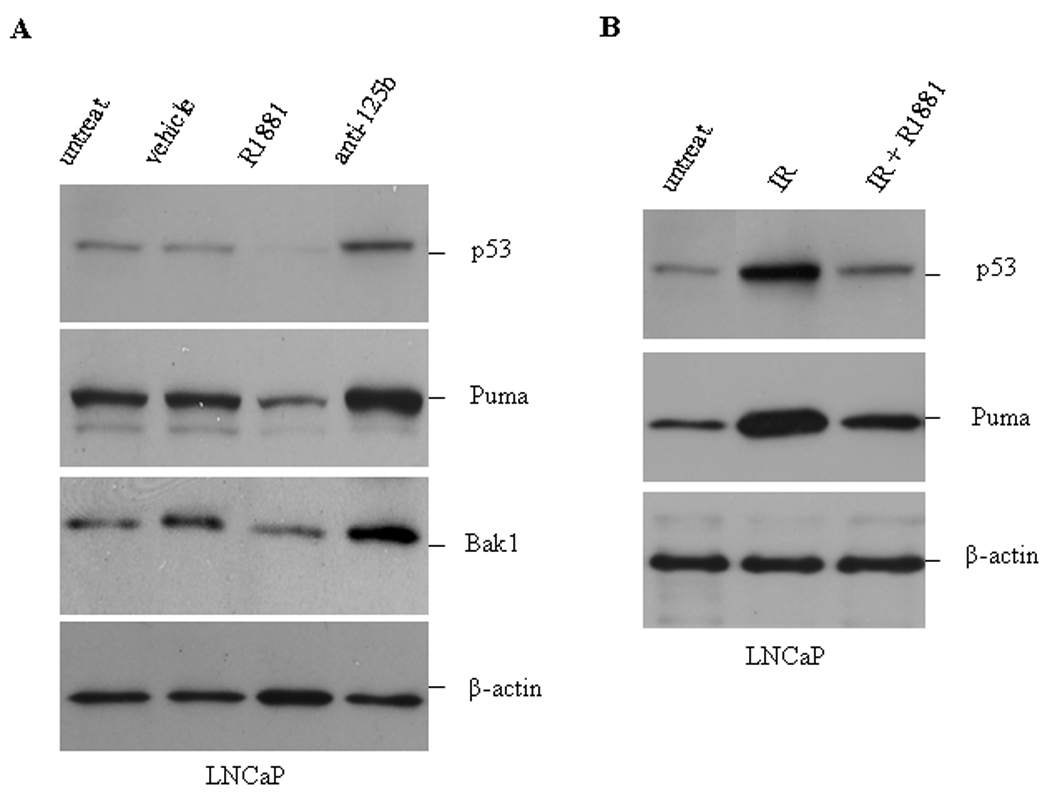
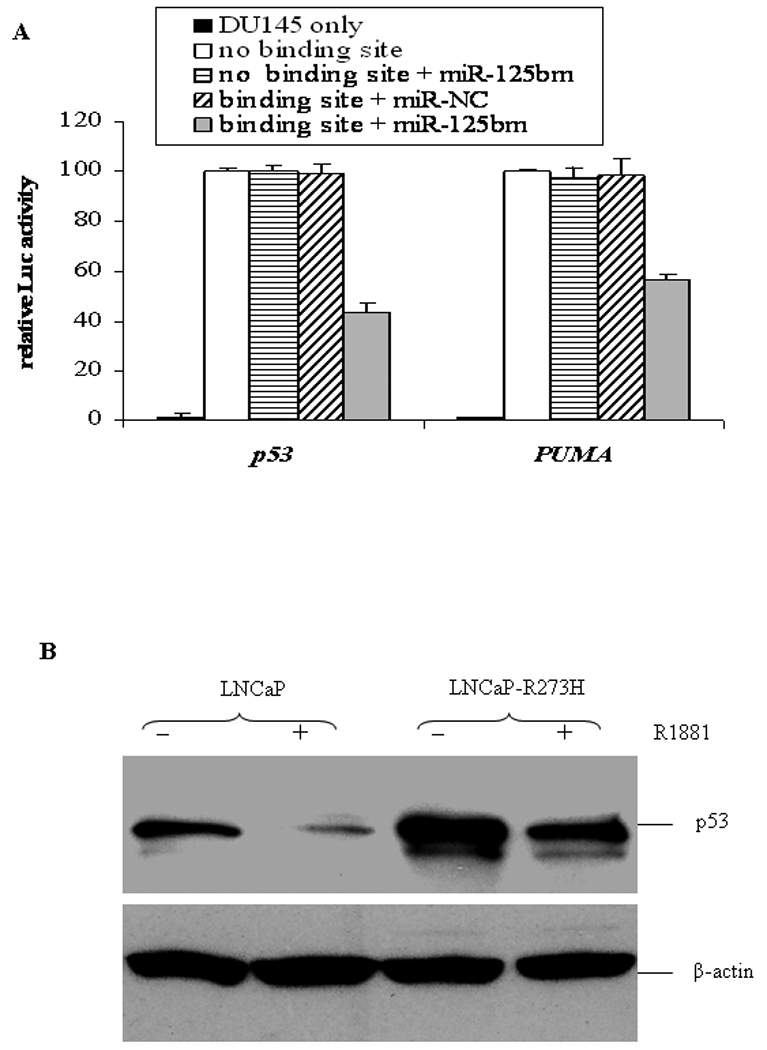
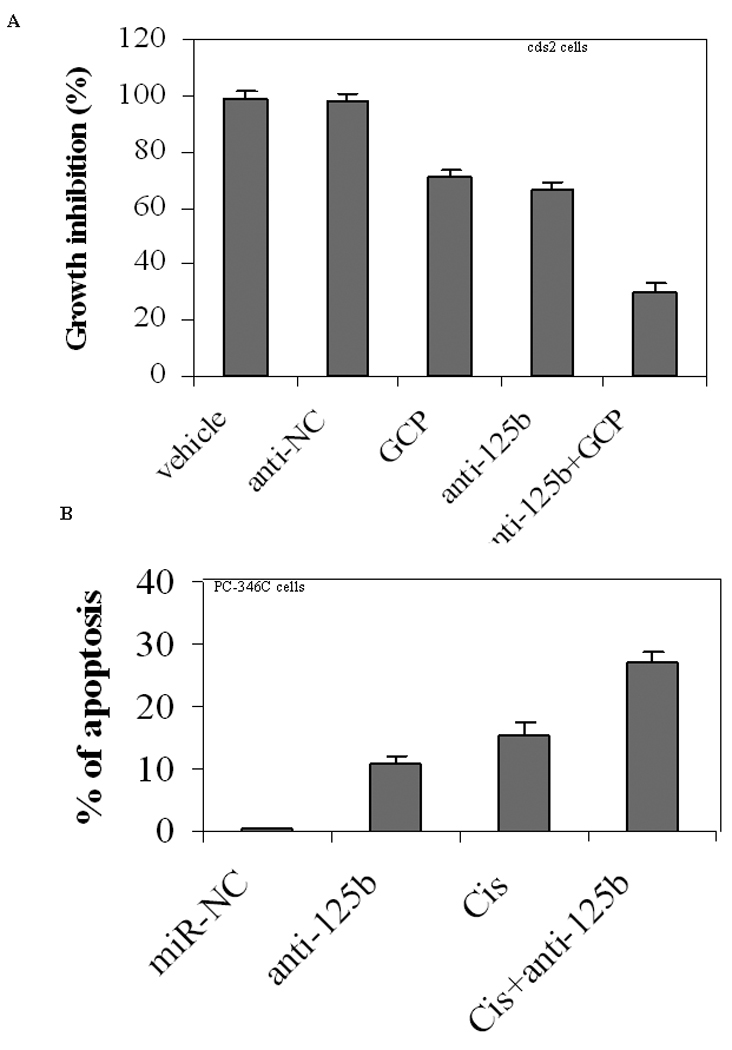
Results: Enforced expression of miR-125b promoted tumor growth in both intact and castrated male nude mice. In an effort to define the molecular mechanism(s) mediating its tumor growth properties, we found that miR-125b directly targets eight transcripts, including three key pro-apoptotic genes: p53, Puma, and Bak1. Increasing the abundance of miR-125b resulted in a dramatic decrease in the levels of these three proteins in CaP cells. A direct repressive effect on each of these was supported by the ability of miR-125b to significantly reduce the activity of luciferase reporters containing their 3'-untranslated regions of each gene encompassing the miR-125b-binding sites. Additionally, we found that repression of miR-125b activity was able to sensitize CaP cells to different therapeutic interventions.
Conclusion: Data obtained in this study demonstrate that miR-125b promotes growth of prostatic xenograft tumors by down-regulating three key pro-apoptotic genes. This suggests that miR-125b is oncogenic and makes it an attractive therapeutic target in CaP.
Copyright © 2010 Wiley-Liss, Inc.
Conflict of interest statement
Figures
References
-
- Jemal A, Siegel R, Ward E, Hao Y, Xu J, Thun MJ. Cancer statistics, 2009. CA Cancer J Clin. 2009;59(4):225–249. - PubMed
-
- Lassi K, Dawson NA. Emerging therapies in castrate-resistant prostate cancer. Curr Opin Oncol. 2009;21(3):260–265. - PubMed
-
- Cowland JB, Hother C, Gronbaek K. MicroRNAs and cancer. APMIS. 2007;115(10):1090–1106. - PubMed
-
- Volinia S, Calin GA, Liu CG, Ambs S, Cimmino A, Petrocca F, Visone R, Iorio M, Roldo C, Ferracin M, Prueitt RL, Yanaihara N, Lanza G, Scarpa A, Vecchione A, Negrini M, Harris CC, Croce CM. A microRNA expression signature of human solid tumors defines cancer gene targets. Proc Natl Acad Sci U S A. 2006;103(7):2257–2261. - PMC - PubMed
Publication types
MeSH terms
Substances
Grants and funding
LinkOut - more resources
Full Text Sources
Medical
Research Materials
Miscellaneous
