


Substance abuse, adherence with antiretroviral therapy, and clinical outcomes among HIV-infected individuals
- PMID: 20888839
- PMCID: PMC3027844
- DOI: 10.1016/j.lfs.2010.09.025
Substance abuse, adherence with antiretroviral therapy, and clinical outcomes among HIV-infected individuals
Abstract
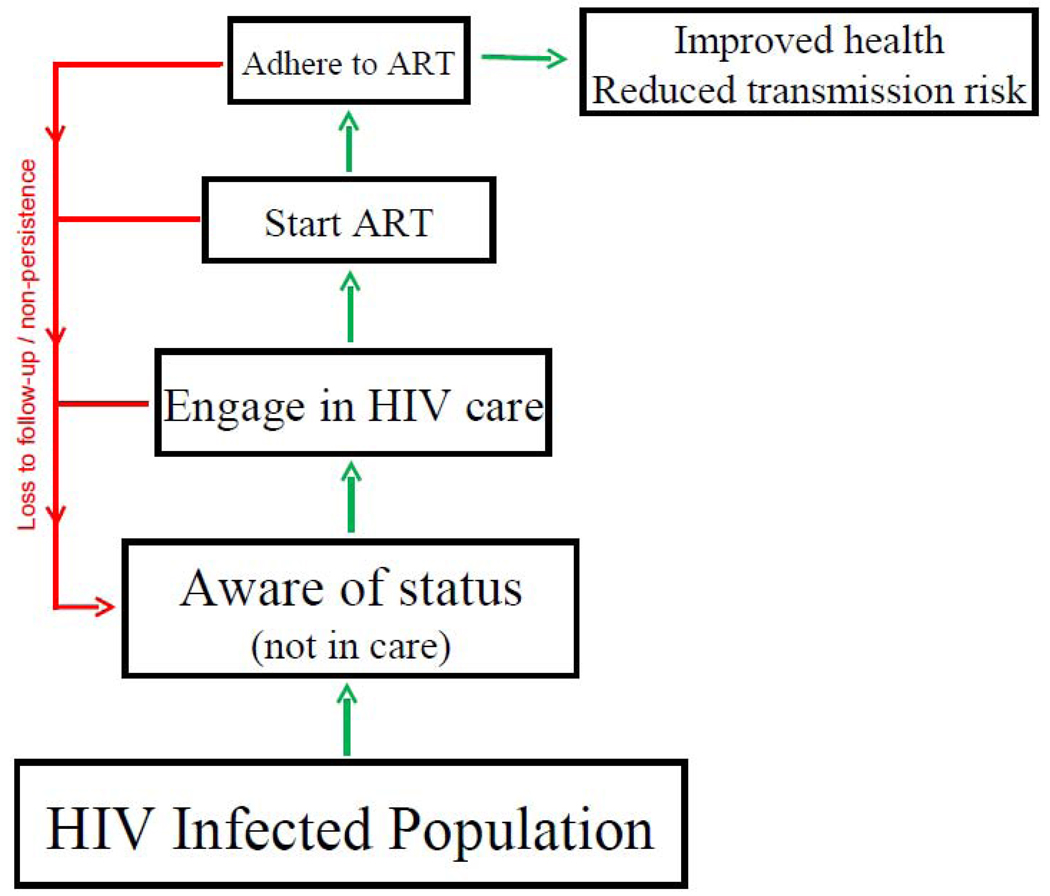
Substance abuse and addiction are highly prevalent in HIV-infected individuals. Substance abuse is an important comorbidity that affects the delivery and outcomes of HIV medical management. In this paper I will review data examining the associations between substance abuse and HIV treatment and potential strategies to improve outcomes in this population that warrant further investigation. Current - but not past - substance abuse adversely affects engagement in care, acceptance of antiretroviral therapy, adherence with therapy, and long-term persistence in care. Substance abuse treatment appears to facilitate engagement in HIV care, and access to evidence-based treatment for substance abuse is central to addressing the HIV epidemic. Strategies that show promise for HIV-infected substance abusers include integrated treatment models, directly observed therapy, and incentive-based interventions.
Copyright © 2010 Elsevier Inc. All rights reserved.
Figures
References
-
- Altice FL, Mostashari F, Friedland GH. Trust and the acceptance of and adherence to antiretroviral therapy. J.Acquir.Immune.Defic.Syndr. 2001;28(1):47–58. - PubMed
-
- AMERICAN PSYCHIATRIC ASSOCIATION. Diagnostic and Statistical Manual of Mental Disorders. Fourth Edition. Washington DC: American Psychiatric Association; 1994.
-
- Bangsberg DR, Mundy LM, Tulsky JP. Expanding directly observed therapy: tuberculosis to human immunodeficiency virus. Am.J.Med. 2001;110(8):664–666. - PubMed
Publication types
MeSH terms
Substances
Grants and funding
LinkOut - more resources
Full Text Sources
Medical
Miscellaneous
