


Teratogen-induced oxidative stress targets glyceraldehyde-3-phosphate dehydrogenase in the organogenesis stage mouse embryo
- PMID: 20889679
- PMCID: PMC2984529
- DOI: 10.1093/toxsci/kfq287
Teratogen-induced oxidative stress targets glyceraldehyde-3-phosphate dehydrogenase in the organogenesis stage mouse embryo
Abstract
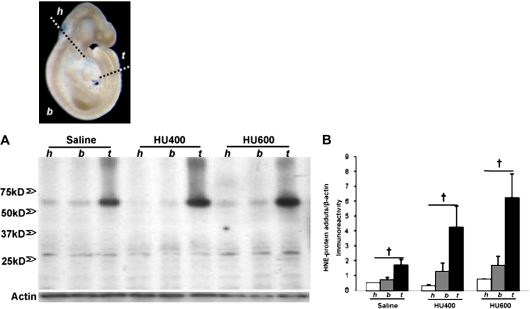
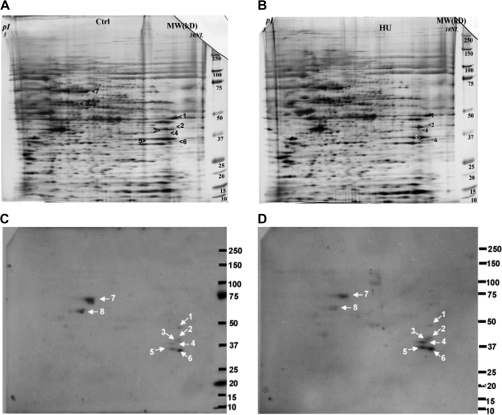
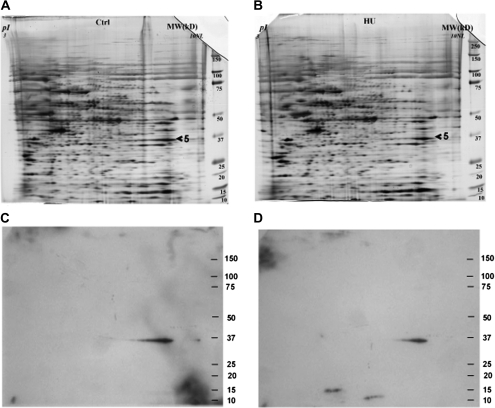
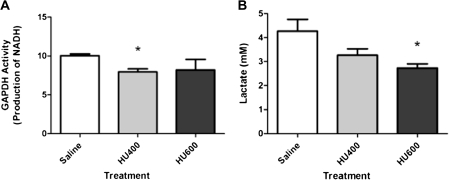
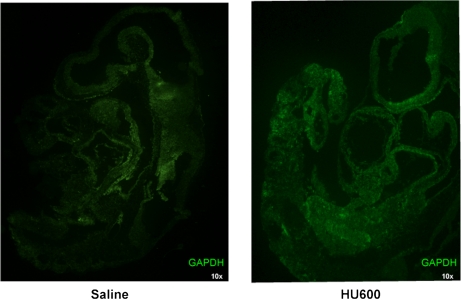
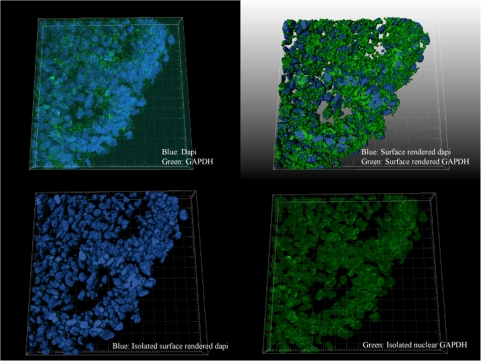
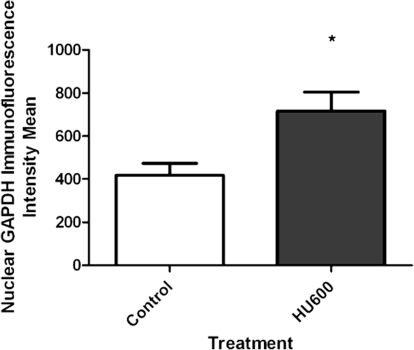
Exposure during the organogenesis stage of the mouse embryo to the model teratogen, hydroxyurea (HU), induces curly tail and limb malformations. Oxidative stress contributes to the developmental toxicity of HU. Reactive oxygen species (ROS) interact with polyunsaturated bilipid membranes to form α,β-unsaturated reactive aldehydes; 4-hydroxy-2-nonenal (4-HNE), one of the most cytotoxic of these aldehydes, covalently adducts with proteins, lipids, and nucleic acids. The goal of the current study is to determine if HU exposure of CD1 mice on gestation day 9 generates region-specific 4-HNE-protein adducts in the embryo and to identify the proteins targeted. The formation of 4-HNE-protein adducts was elevated in the caudal region of control embryos; HU exposure further increased 4-HNE-protein adduct formation in this area. Interestingly, three of the 4-HNE-modified proteins, glyceraldehyde-3-phosphate dehydrogenase (GAPDH), glutamate oxaloacetate transaminase 2, and aldolase 1, A isoform, are involved in energy metabolism. The formation of 4-HNE-GAPDH protein adducts reduced GAPDH enzymatic activity by 20% and attenuated lactate production by 40%. Furthermore, HU exposure induced the nuclear translocation of GAPDH in the caudal region of exposed embryos; this nuclear translocation may be associated with the reactivation of oxidized proteins involved in DNA repair, such as apurinic/apyrimidinic endonuclease-1, and the stimulation of E1A-associated P300 protein/creb-binding protein (p300/CBP) activity, initiating cell death in a p53-dependent pathway. We propose that GAPDH is a redox-sensitive target in the embryo and may play a role in a stress response during development.
Figures
References
-
- Alcolea MP, Llado I, Garcia-Palmer FJ, Gianotti M. Responses of mitochondrial biogenesis and function to maternal diabetes in rat embryo during the placentation period. Am. J. Physiol. Endocrinol. Metab. 2007;293:E636–E644. - PubMed
-
- Botzen D, Grune T. Degradation of HNE-modified proteins—possible role of ubiquitin. Redox Rep. 2007;12:63–67. - PubMed
-
- Chuang DM, Hough C, Senatorov VV. Glyceraldehyde-3-phosphate dehydrogenase, apoptosis, and neurodegenerative diseases. Annu. Rev. Pharmacol. Toxicol. 2005;45:269–290. - PubMed
-
- Dastoor Z, Dreyer JL. Potential role of nuclear translocation of glyceraldehyde-3-phosphate dehydrogenase in apoptosis and oxidative stress. J. Cell Sci. 2001;114:1643–1653. - PubMed
-
- Dennery PA. Effects of oxidative stress on embryonic development. Birth Defects Res. C Embryo Today. 2007;81:155–162. - PubMed
Publication types
MeSH terms
Substances
Grants and funding
LinkOut - more resources
Full Text Sources
Other Literature Sources
Research Materials
Miscellaneous
