. 2011 Jan;1813(1):159-67.
doi: 10.1016/j.bbamcr.2010.09.018. Epub 2010 Oct 12.

Role of hypoxia and EGF on expression, activity, localization and phosphorylation of carbonic anhydrase IX in MDA-MB-231 breast cancer cells

Affiliations

Role of hypoxia and EGF on expression, activity, localization and phosphorylation of carbonic anhydrase IX in MDA-MB-231 breast cancer cells

Ying Li et al. Biochim Biophys Acta. 2011 Jan.

Abstract

Carbonic anhydrase IX (CAIX) is a zinc metalloenzyme that catalyzes the reversible hydration of CO(2). CAIX is overexpressed in many types of cancer, including breast cancer, but is most frequently absent in corresponding normal tissues. CAIX expression is strongly induced by hypoxia and is significantly associated with tumor grade and poor survival. Herein, we show that hypoxia induces a significant increase in CAIX protein in MDA-MB-231 breast cancer cells. Using a unique mass spectrophotometric assay, we demonstrate that CAIX activity in plasma membranes isolated from MDA-MB-231 is correlated with CAIX content. We also show that CAIX exists predominantly as a dimeric, high-mannose N-linked glycoprotein. While there is some evidence that the dimeric form resides specifically in lipid rafts, our data do not support this hypothesis. EGF, alone, did not affect the distribution of CAIX into lipid rafts. However, acute EGF treatment in the context of hypoxia increased the amount of CAIX in lipid rafts by about 5-fold. EGF did not stimulate tyrosine phosphorylation of CAIX, although EGFR and down-stream signaling pathways were activated by EGF. Interestingly, hypoxia activated Akt independent of EGF action. Together, these data demonstrate that the active form of CAIX in the MDA-MB-231 breast cancer cell line is dimeric but that neither lipid raft localization nor phosphorylation are likely required for its dimerization or activity.


Figures

Figure 1
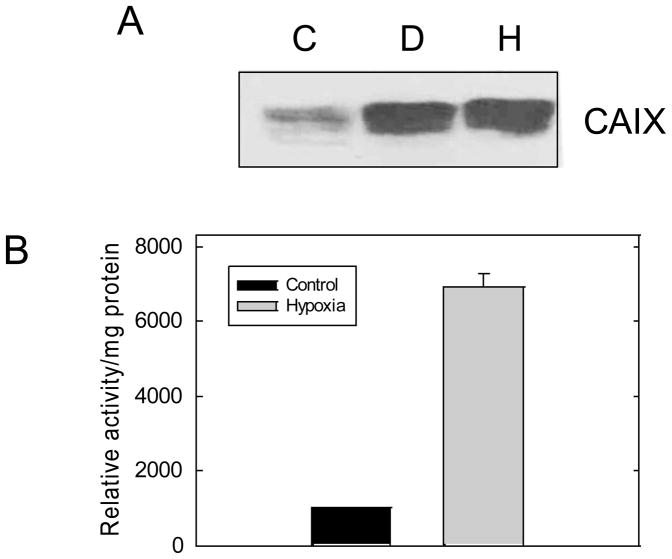
Figure 1. Hypoxia increases CAIX expression and activity in MDA-MB-231 cells
Panel A: Total membranes were collected from control cells or cells exposed to DFO or hypoxia for 16 hours. Western blot analysis of CAIX expression was performed using the NB-100 antibody. This blot is typical of at least four independent experiments. C: Control; D: DFO (desferoxamine mesylate), H: Hypoxia. Panel B: Plasma membranes were isolated from control or hypoxic cells and CAIX activity was measured by 18O exchange. These data represent duplicate experiments.
Figure 2
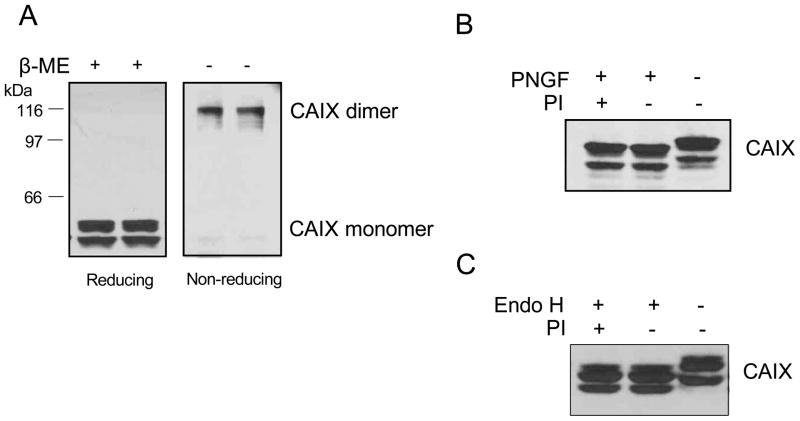
Figure 2. Oligomerization and glycosylation of CAIX in MDA-MB-231 cells
Panel A: Total membranes were isolated from MDA-MB-231 cells exposed to hypoxia for 16 h. Fifty μg of total membrane protein were separated on an SDS-PAGE gel in the presence or absence of 1% β-mercaptoethanol (β-ME). CAIX expression was detected by western blotting using the M75 monoclonal antibody. Panel B: Total membranes were isolated from MDA-MB-231 cells exposed to hypoxia for 16 h. Fifty μg of protein was digested with 2 μL N-glycosidase F (PNGF) in the presence of absence of protease inhibitor (PI) for 2 hours at 37°C. Panel C: Cell lysates were isolated from MDA-MB-231 cells exposed to hypoxia for 16 h. Fifty g of protein was treated with 2 μL endoglycosidase H (endo H) in the presence or absence of protease inhibitor (PI) for 2 hours at 37°C. CAIX expression was detected by western blotting using the M75 monoclonal antibody. These blots represent duplicate experiments.
Figure 3
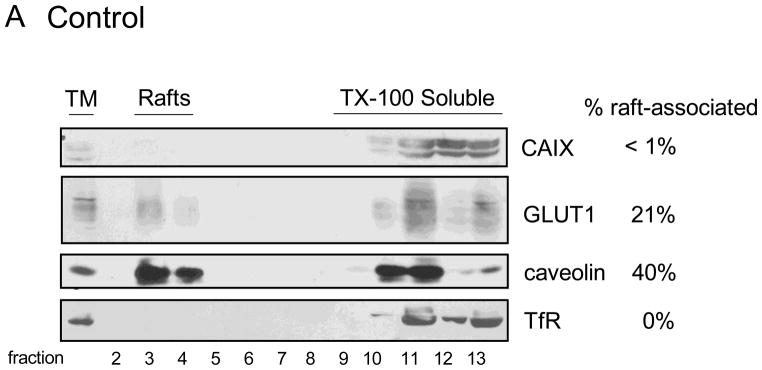
Figure 3. Association of CAIX and GLUT1 with lipid rafts
MDA-MB-231 cells were exposed to normoxic (Panel A) or hypoxia (Panel B) conditions for 16 h. Total membranes were collected and extracted with 1% TX-100. Detergent-resistant membranes (lipid rafts) were separated from extracted protein by flotation on sucrose gradients (fractions 2 through 13 as numbered at the bottom of each panel). Expression of CAIX, GLUT1, caveolin and transferrin receptor is indicated. The values to the right of the figures represent the percent of the total pool that migrates in lipid rafts. TM = total membrane fraction; Rafts = lipid raft-containing membranes; TX-100 Soluble = membrane proteins extracted by TX-100. These data are representative of at least triplicate experiments.
Figure 3
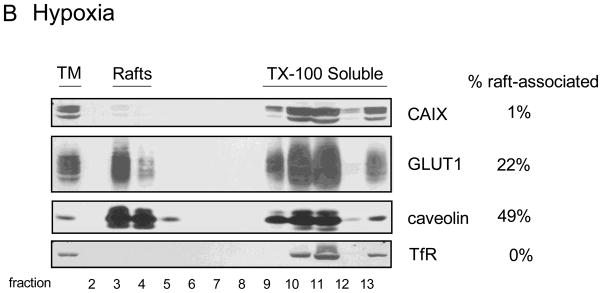
Figure 3. Association of CAIX and GLUT1 with lipid rafts
MDA-MB-231 cells were exposed to normoxic (Panel A) or hypoxia (Panel B) conditions for 16 h. Total membranes were collected and extracted with 1% TX-100. Detergent-resistant membranes (lipid rafts) were separated from extracted protein by flotation on sucrose gradients (fractions 2 through 13 as numbered at the bottom of each panel). Expression of CAIX, GLUT1, caveolin and transferrin receptor is indicated. The values to the right of the figures represent the percent of the total pool that migrates in lipid rafts. TM = total membrane fraction; Rafts = lipid raft-containing membranes; TX-100 Soluble = membrane proteins extracted by TX-100. These data are representative of at least triplicate experiments.
Figure 4
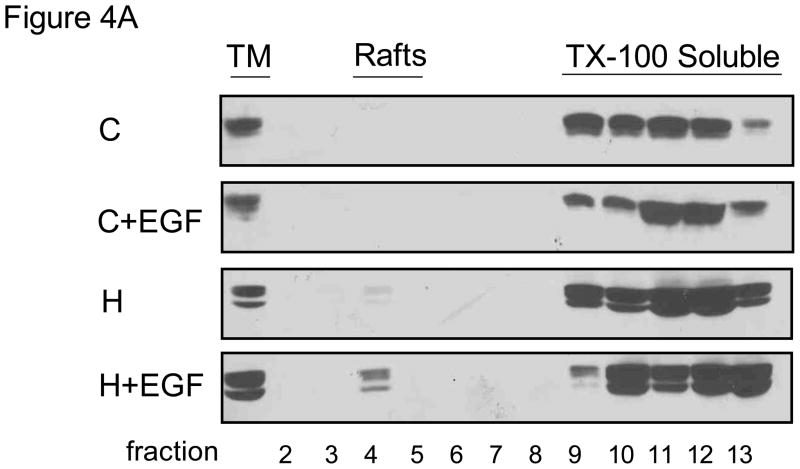
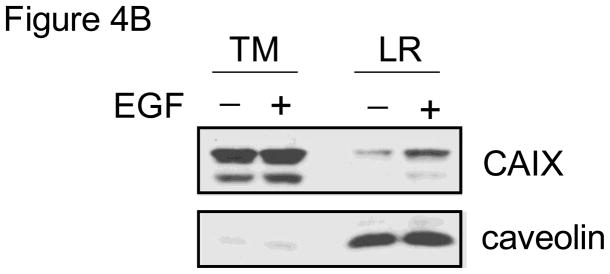
Figure 4. EGF-dependent localization of CAIX
Panel A: MDA-MB-231 cells were serum-starved overnight under normoxic or hypoxic conditions and then stimulated with EGF (16nM) for 30 min. Total membranes were collected and then lysed with TX-100. Detergent resistant proteins (lipid rafts) were separated from extracted proteins. CAIX expression in each sample was detected by western blotting using the M75 monoclonal antibody. TM= total membrane fraction; Rafts = lipid raft-containing membranes; TX-100 Soluble = membrane proteins extracted by TX-100. Panel B: MDA-MB-231 cells were exposed to hypoxia for 16 hours and then treated with EGF (16 nM) for 30 min. Total membranes were prepared from which lipid rafts were isolated. CAIX and caveolin expression were detected by western blotting. TM = total membrane proteins; LR = lipid raft containing membranes.
Figure 4
Figure 4. EGF-dependent localization of CAIX
Panel A: MDA-MB-231 cells were serum-starved overnight under normoxic or hypoxic conditions and then stimulated with EGF (16nM) for 30 min. Total membranes were collected and then lysed with TX-100. Detergent resistant proteins (lipid rafts) were separated from extracted proteins. CAIX expression in each sample was detected by western blotting using the M75 monoclonal antibody. TM= total membrane fraction; Rafts = lipid raft-containing membranes; TX-100 Soluble = membrane proteins extracted by TX-100. Panel B: MDA-MB-231 cells were exposed to hypoxia for 16 hours and then treated with EGF (16 nM) for 30 min. Total membranes were prepared from which lipid rafts were isolated. CAIX and caveolin expression were detected by western blotting. TM = total membrane proteins; LR = lipid raft containing membranes.
Figure 5
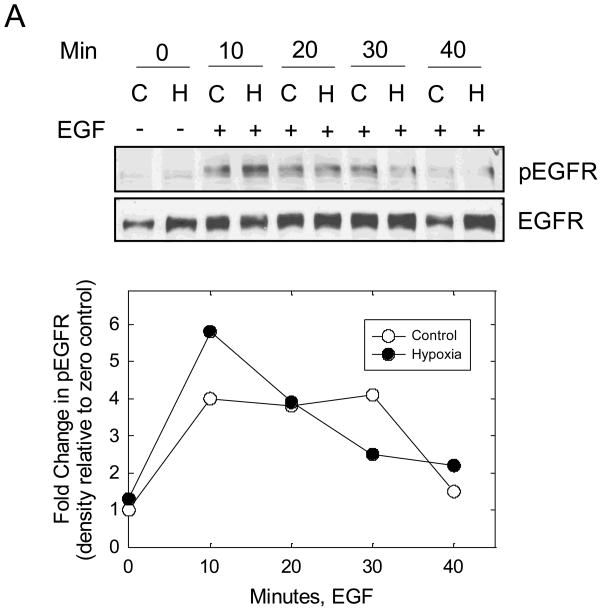
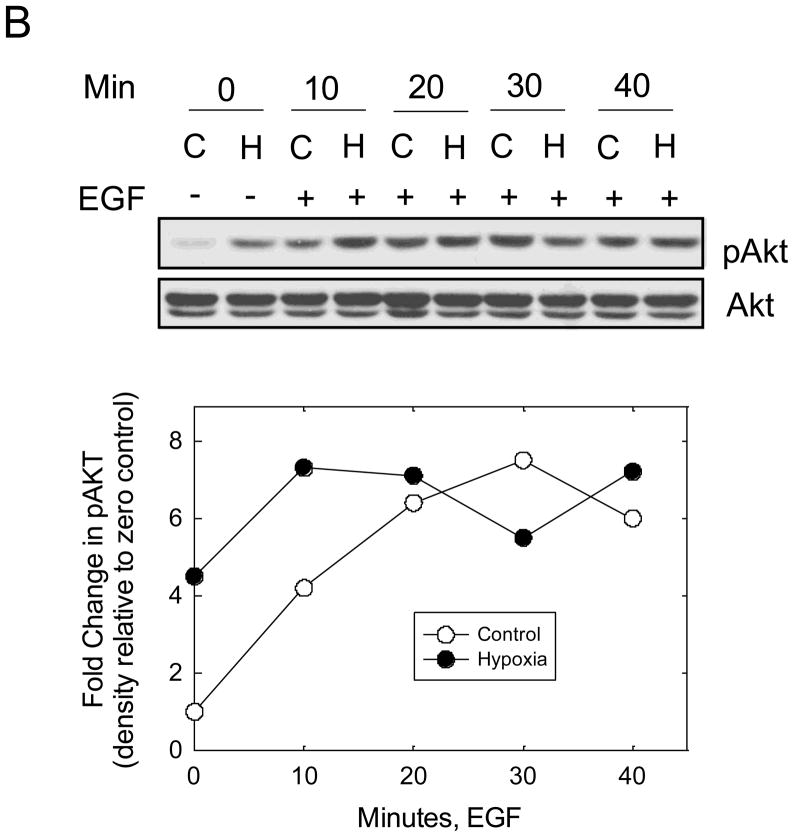
Figure 5. EGF and hypoxia dependent activation of Akt
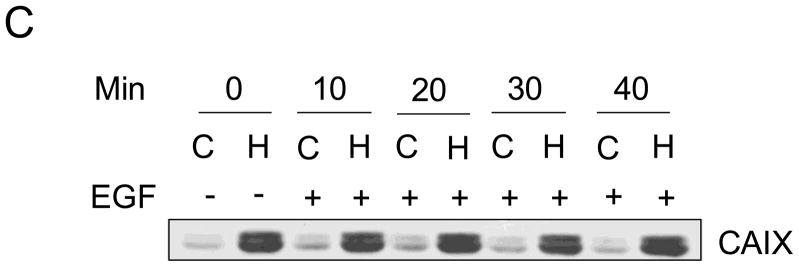
MDA-MB-231 cells were exposed to normoxic (C) or hypoxic (H) conditions for 16 h in the absence of serum and then stimulated with 16nM EGF for specific times. Proteins (100 μg) from cell lysates were separated on SDS-PAGE gels and analyzed by western blotting. Panel A represents total and phosphorylated pools of EGFR; Panel B represents total and phosphorylated pools of Akt; Panel C represents the total pool of CAIX. This experiment is representative of two independent experiments.
Figure 5
Figure 5. EGF and hypoxia dependent activation of Akt
MDA-MB-231 cells were exposed to normoxic (C) or hypoxic (H) conditions for 16 h in the absence of serum and then stimulated with 16nM EGF for specific times. Proteins (100 μg) from cell lysates were separated on SDS-PAGE gels and analyzed by western blotting. Panel A represents total and phosphorylated pools of EGFR; Panel B represents total and phosphorylated pools of Akt; Panel C represents the total pool of CAIX. This experiment is representative of two independent experiments.
Figure 5
Figure 5. EGF and hypoxia dependent activation of Akt
MDA-MB-231 cells were exposed to normoxic (C) or hypoxic (H) conditions for 16 h in the absence of serum and then stimulated with 16nM EGF for specific times. Proteins (100 μg) from cell lysates were separated on SDS-PAGE gels and analyzed by western blotting. Panel A represents total and phosphorylated pools of EGFR; Panel B represents total and phosphorylated pools of Akt; Panel C represents the total pool of CAIX. This experiment is representative of two independent experiments.
Figure 6
Figure 6. CAIX phosphorylation in response to EGF stimulation
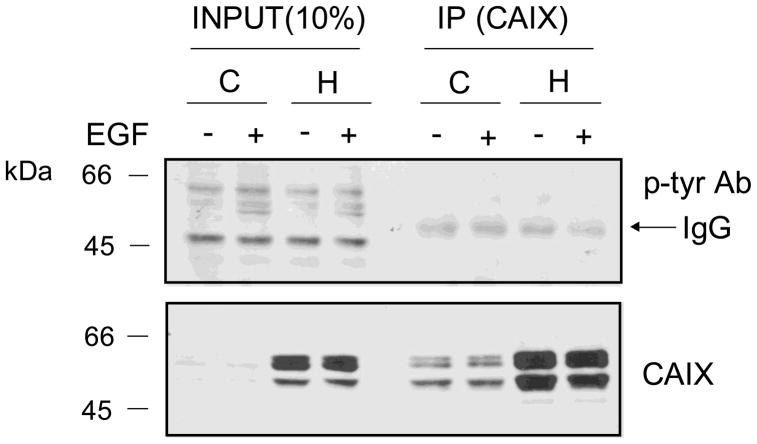
MDA-MB-231 cells were exposed to hypoxia or not for 16 h in the absence of serum. EGF (16nM) was added for 30 min after which total membranes were isolated. CAIX was immunoprecipitated with an antibody generated in goat (R&D Systems, #AF2188) followed by western blotting with an anti-phosphotyrosine antibody or the M75mouse monoclonal antibody. C = control, H = hypoxia. These data represent triplicate experiments.

References

    1. Supuran CT. Carbonic Anhydrase: Novel Therapeutic Applications for Inhibitors and Activators. Nature Reviews. 2008;7:168. - PubMed
    1. Potter CPS, Harris AL. Diagnostic, Prognostic and Therapeutic Implications of Carbonic Anhydrases in Cancer. Br J Cancer. 2003;89:2. - PMC - PubMed
    1. Ivanov S, Liao S-Y, Ivanova A, Danilkovitch-Miagkova A, Tarasova N, Weirich G, Merrill MJ, Proescholdt MA, Oldfield EH, Lee J, Zavada J, Waheed A, Sly W, Lerman MI, Stanbridge EJ. Expression of Hypoxia-inducible Cell-surface Transmembrane Carbonic Anhydrases in Human Cancer. Am J Pathol. 2001;158:905. - PMC - PubMed
    1. Pastorek J, Pastoreková S, Callebaut I, Mornon JP, Zelník V, Opavsky R, Zat’ovicová M, Liao S, Portetelle D, Stanbridge EJ, Závada J, Burny A, Kettmann R. Cloning and Characterization of MN, a Human Tumor-associated Protein with a Domain Homologous to Carbonic Anhydrase and a Putative Helix-Loop-Helix DNA Binding Segment. Oncogene. 1994;9:2877. - PubMed
    1. Wingo T, Tu C, Laipis PJ, Silverman DN. The Catalytic Properties of Human Carbonic Anhydrase IX. Biochem Biophys Res Comm. 2001;288:666. - PubMed

Publication types