


Hydride-containing models for the active site of the nickel-iron hydrogenases
- PMID: 20925337
- PMCID: PMC2980840
- DOI: 10.1021/ja105312p
Hydride-containing models for the active site of the nickel-iron hydrogenases
Abstract
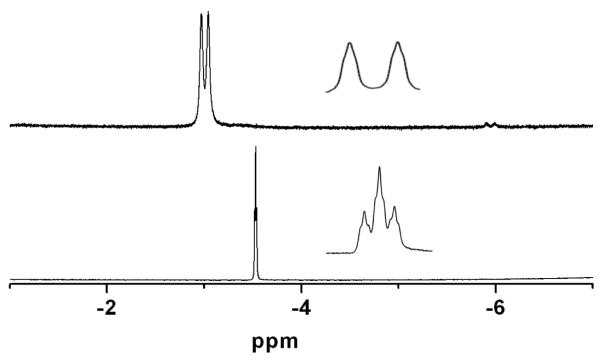
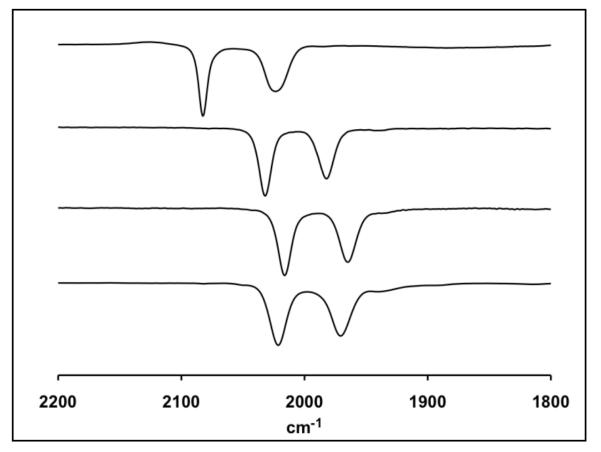
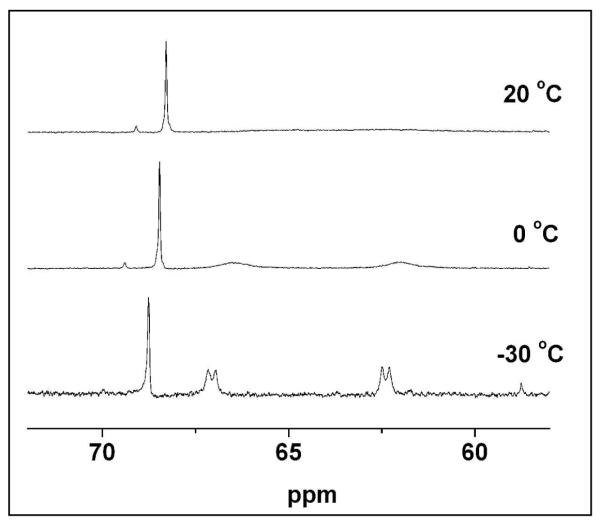
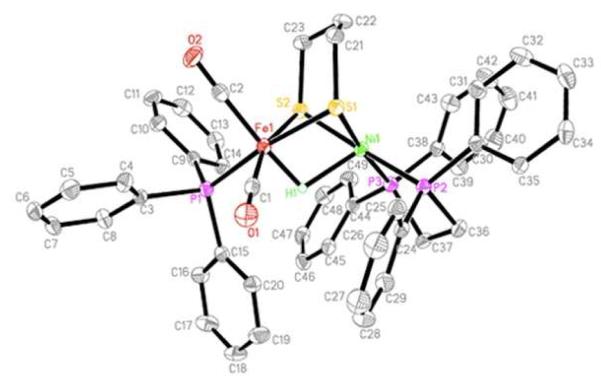
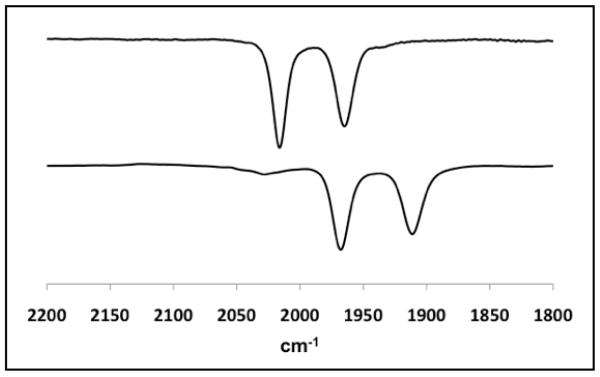
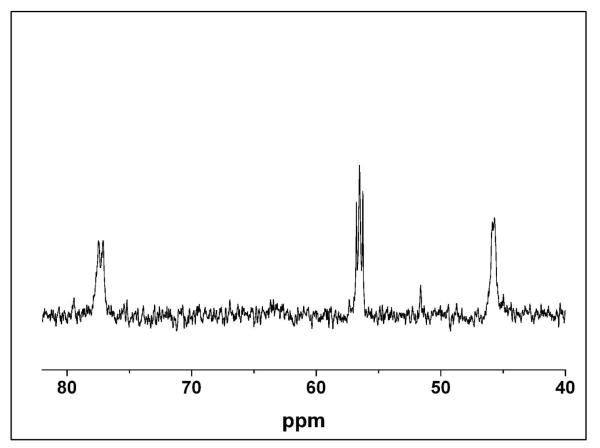
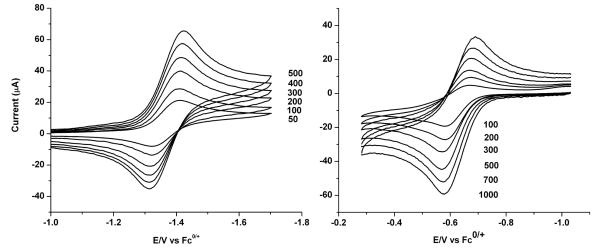
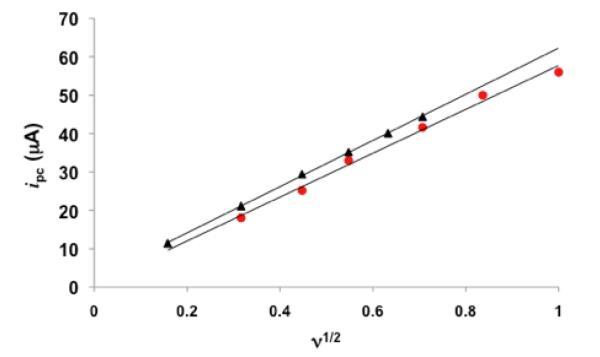
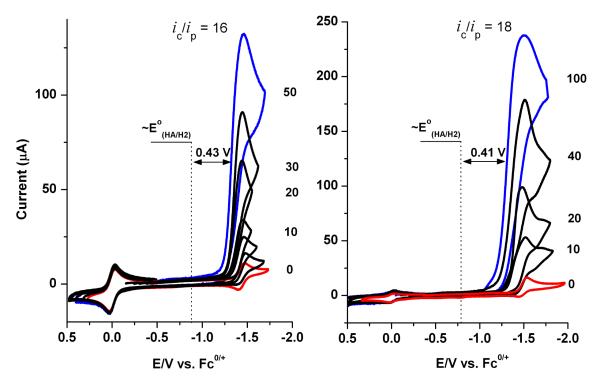
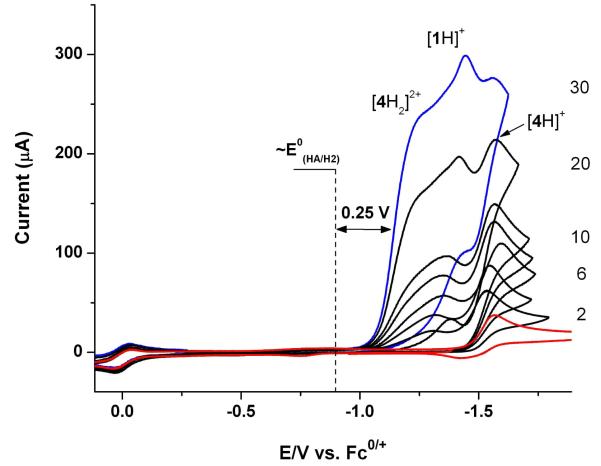
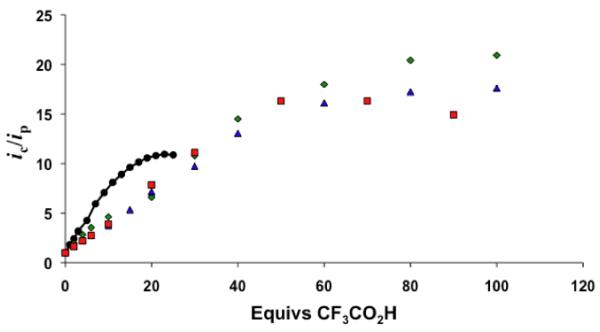
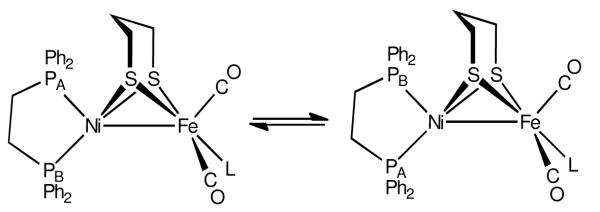
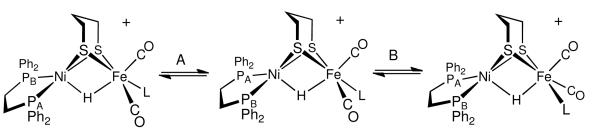
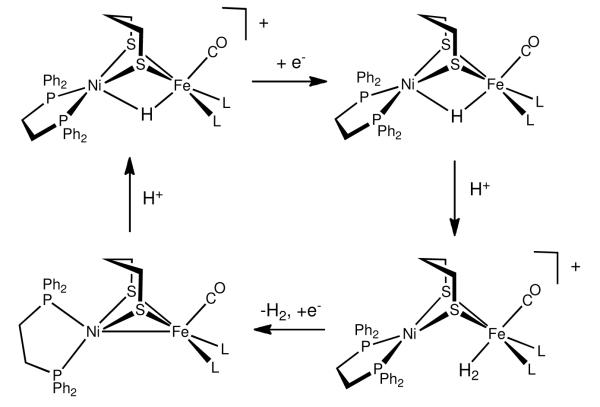
The [NiFe]-hydrogenase model complex NiFe(pdt)(dppe)(CO)(3) (1) (pdt = 1,3-propanedithiolate) has been efficiently synthesized and found to be robust. This neutral complex sustains protonation to give the first nickel-iron hydride [1H]BF(4). One CO ligand in [1H]BF(4) is readily substituted by organophosphorus ligands to afford the substituted derivatives [HNiFe(pdt)(dppe)(PR(3))(CO)(2)]BF(4), where PR(3) = P(OPh)(3) ([2H]BF(4)); PPh(3) ([3H]BF(4)); PPh(2)Py ([4H]BF(4), where Py = 2-pyridyl). Variable temperature NMR measurements show that the neutral and protonated derivatives are dynamic on the NMR time scale, which partially symmetrizes the phosphine complex. The proposed stereodynamics involve twisting of the Ni(dppe) center, not rotation at the Fe(CO)(2)(PR(3)) center. In MeCN solution, 3, which can be prepared by deprotonation of [3H]BF(4) with NaOMe, is about 10(4) stronger base than is 1. X-ray crystallographic analysis of [3H]BF(4) revealed a highly unsymmetrical bridging hydride, the Fe-H bond being 0.40 Å shorter than the Ni-H distance. Complexes [2H]BF(4), [3H]BF(4), and [4H]BF(4) undergo reductions near -1.46 V vs Fc(0/+). For [2H]BF(4), this reduction process is reversible, and we assign it as a one-electron process. In the presence of trifluoroacetic acid, proton reduction catalysis coincides with this reductive event. The dependence of i(c)/i(p) on the concentration of the acid indicates that H(2) evolution entails protonation of a reduced hydride. For [2H](+), [3H](+), and [4H](+), the acid-independent rate constants are 50-75 s(-1). For [2H](+) and [3H](+), the overpotentials for H(2) evolution are estimated to be 430 mV, whereas the overpotential for the N-protonated pyridinium complex [4H(2)](2+) is estimated to be 260 mV. The mechanism of H(2) evolution is proposed to follow an ECEC sequence, where E and C correspond to one-electron reductions and protonations, respectively. On the basis of their values for its pK(a) and redox potentials, the room temperature values of ΔG(H•) and ΔG(H-) are estimated as respectively as 57 and 79 kcal/mol for [1H](+).
Figures
References
-
- De Lacey AL, Fernández VM, Rousset M, Cammack R. Chem. Rev. 2007;107:4304–4330. - PubMed
-
- Ogata H, Lubitz W, Higuchi Y. Dalton Trans. 2009;7577:7587. - PubMed
-
- Fontecilla-Camps JC, Amara P, Cavazza C, Nicolet Y, Volbeda A. Nature. 2009;460:814–822. - PubMed
-
- Fontecilla-Camps JC, Volbeda A, Cavazza C, Nicolet Y. Chem. Rev. 2007;107:4273–4303. - PubMed
-
- Heinekey DM. J. Organometal. Chem. 2009;694:2671–2680.
Publication types
MeSH terms
Substances
Grants and funding
LinkOut - more resources
Full Text Sources
Other Literature Sources
Research Materials
Miscellaneous
