. 2011 Feb;4(1):17-27.
doi: 10.1002/aur.163. Epub 2010 Oct 6.

Social peers rescue autism-relevant sociability deficits in adolescent mice

Affiliations

Social peers rescue autism-relevant sociability deficits in adolescent mice

Mu Yang et al. Autism Res. 2011 Feb.

Abstract

Behavioral therapies are currently the most effective interventions for treating the diagnostic symptoms of autism. We employed a mouse model of autism to evaluate components of behavioral interventions that improve sociability in mice. BTBR T+tf/J (BTBR) is an inbred mouse strain that exhibits prominent behavioral phenotypes with face validity to all three diagnostic symptom categories of autism, including robust and well-replicated deficits in social approach and reciprocal social interactions. To investigate the role of peer interactions in the development of sociability, BTBR juvenile mice were reared in the same home cage with juvenile mice of a highly social inbred strain, C57BL/6J (B6). Subject mice were tested as young adults for sociability and repetitive behaviors. B6 controls reared with B6 showed their strain-typical high sociability. BTBR controls reared with BTBR showed their strain-typical lack of sociability. In contrast, BTBR reared with B6 as juveniles showed significant sociability as young adults. A 20-day intervention was as effective as a 40-day intervention for improving social approach behavior. High levels of repetitive self-grooming in BTBR were not rescued by peer-rearing with B6, indicating specificity of the intervention to the social domain. These results from a robust mouse model of autism support the interpretation that social enrichment with juvenile peers is a beneficial intervention for improving adult outcome in the social domain. This novel paradigm may prove useful for discovering factors that are essential for effective behavioral treatments, and biological mechanisms underlying effective behavioral interventions.


Figures

Figure 1
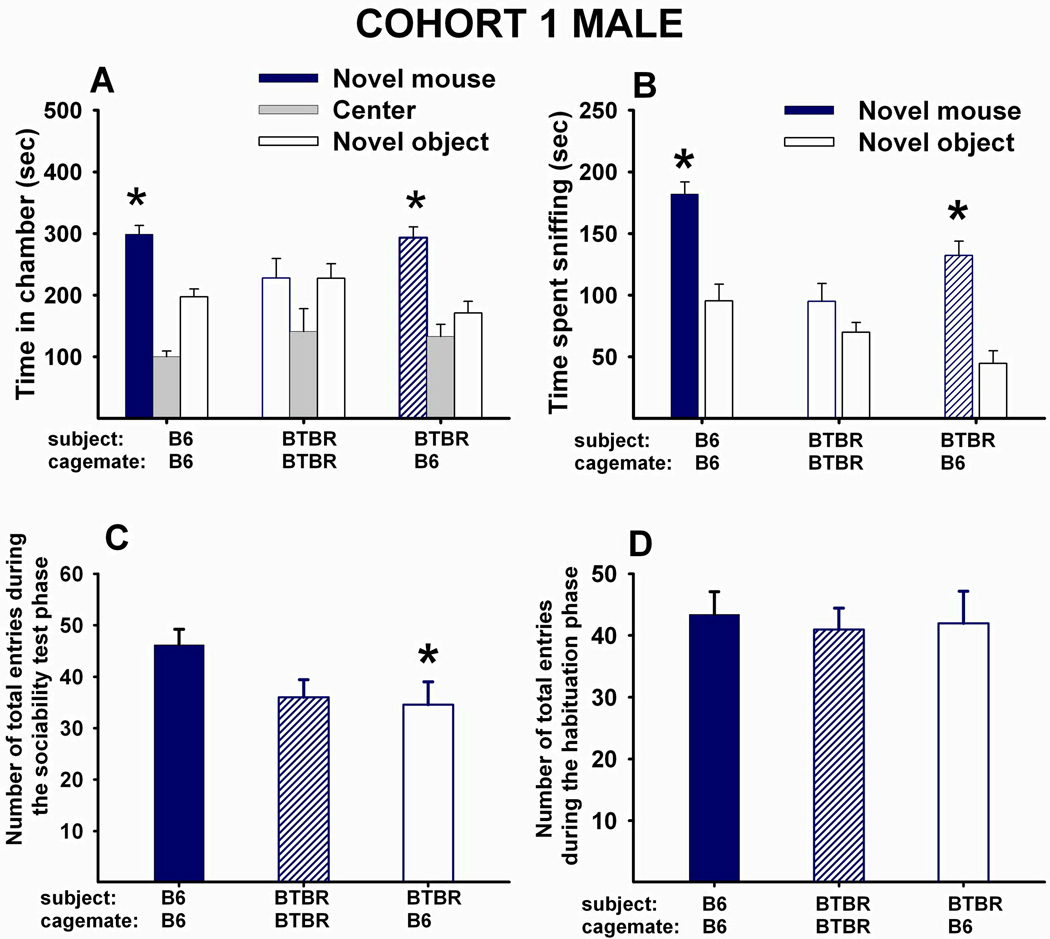
Figure 1. 40-day peer-enriched intervention improved sociability in BTBR male mice
Sociability is defined as spending more time in the side chamber with a novel mouse than in the side chamber with a novel object, and more time sniffing the novel mouse than the novel object, during a ten minute test session in the automated three-chambered apparatus. (A) Time in chambers containing a novel object or novel mouse. Male B6 that were reared as juveniles with juvenile male B6 for 40 days displayed typical sociability as adults (N=16, F1,15=23.79, p<.001). Male BTBR reared as juveniles with juvenile male BTBR for 40 days did not display sociability as adults (N=16, F1,15=0.34, NS). Male BTBR reared as juveniles with juvenile male B6 for 40 days displayed significant sociability as adults (N=16, F1,15=16.02, p<.001). (B) Time spent sniffing the novel object and the novel mouse. Male B6 reared as juveniles with juvenile male B6 for 40 days displayed significant sociability as adults (N=16, F1,15=43.42, p<.001). Male BTBR reared as juveniles with juvenile male BTBR did not display significant sociability (N=16, F1,15=2.12, NS). Male BTBR reared as juveniles with juvenile male B6 spent significantly more time sniffing the novel mouse than the novel object as adults (N=16, F1,15=31.89, p<.001). (C) Total number of entries to the side chambers during the social approach task. A significant main effect of social housing was found (N=16 for each group, F2,45=3.43, p<.05), with male BTBR reared with B6 making fewer entries into the side chambers as compared to B6 control males (p<.05). (D) Total number of entries to the side chambers during the habituation phase that preceded the social approach task. No significant effect of social housing was found (N=16 for each group, F2,45=1.14, NS). (A and B) *p < .05 for comparison between novel mouse and novel object sides. Bars for the novel mouse are outlined in color, while bars for the novel object are outlined in black, in panels A and B of Figures 1–4. (C) *p < .05 as compared to B6 reared with B6.
Figure 2
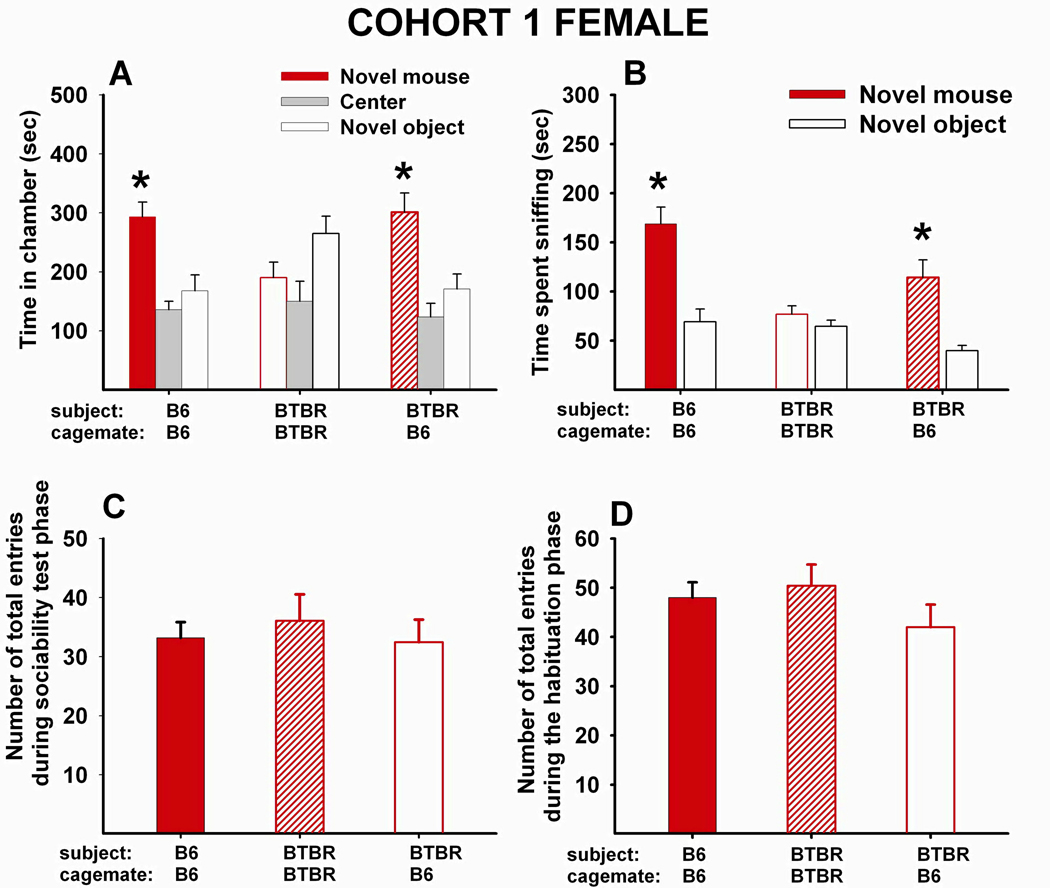
Figure 2. 40-day peer-enriched intervention improved sociability in BTBR female mice
(A) Time in chambers containing a novel object or novel mouse. Female B6 that were reared as juveniles with juvenile female B6 for 40 days displayed typical sociability as adults (N=16, F1,15=8.94, p<.01). Female BTBR reared as juveniles with juvenile female BTBR for 40 days did not display sociability as adults (N=16, F1,15=5.29, p<.05). Female BTBR reared as juveniles with juvenile female B6 for 40 days displayed significant sociability as adults (N=16, F1,15=12.7, p<.01). (B) Time spent sniffing the novel object and the novel mouse. Female B6 reared as juveniles with juvenile female B6 for 40 days displayed significant sociability as adults (F1,15=24.76, p<.001). Female BTBR reared as juveniles with juvenile female BTBR did not display significant sociability (F1,15=0.18, NS). Female BTBR reared as juveniles with juvenile female B6 spent significantly more time sniffing the novel mouse than the novel object as adults (F1,15=21.04, p<.001). (C) Total number of entries to the side chambers during the social approach task. No significant effect of social housing was found (N=16 for each group, F2,45=0.72, NS). (D) Total number of entries to the side chambers during the habituation phase that preceded the social approach task. No significant effect of social housing was found (N=16 for each group, F2,45=0.73, NS). (A and B) *p < .05 for comparison between novel mouse and novel object sides.
Figure 3
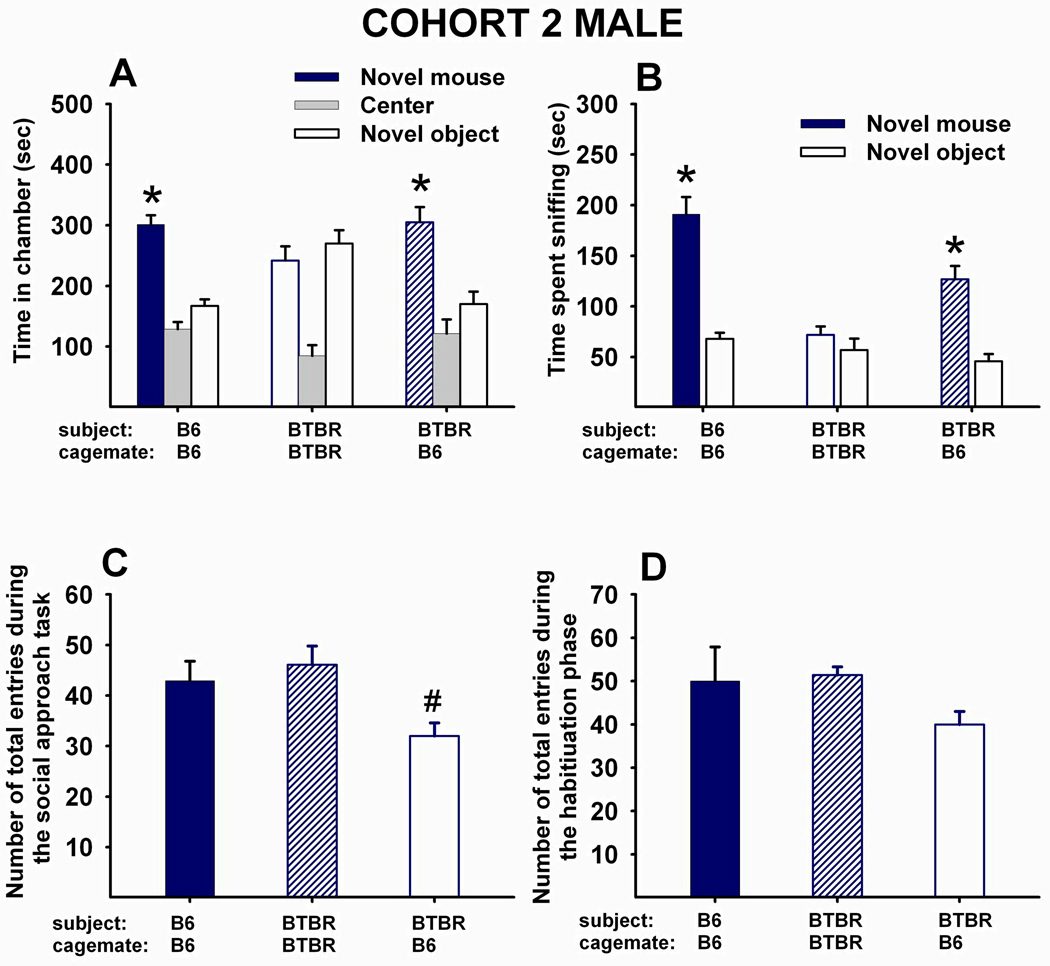
Figure 3. 20-day peer-enriched intervention improved sociability in BTBR male mice
(A) Time in chambers containing a novel object or novel mouse. Male B6 that were reared as juveniles with juvenile male B6 for 20 days displayed typical sociability as adults (N=8, F1,7=93.77, p<.0001). Male BTBR reared as juveniles with juvenile male BTBR for 20 days did not display sociability as adults (N=8, F1,7=0.046, NS). Male BTBR reared as juveniles with juvenile male B6 for 20 days displayed significant sociability as adults (N=16, F1,15=12.24, p<.01). (B) Time spent sniffing the novel object and the novel mouse. Male B6 reared as juveniles with juvenile male B6 for 20 days displayed significant sociability as adults (N=8, F1,7=117.84, p<.001). Male BTBR reared as juveniles with juvenile male BTBR did not display significant sociability (N=8, F1,7=1.78, NS). Male BTBR reared as juveniles with juvenile male B6 displayed sociability as adults (N=16, F1,15=20.46, p<.001). (C) Total number of entries to the side chambers during the social approach task. A significant main effect of social housing was found (F2,29=5.83, p<.01), with male BTBR reared with B6 showing fewer entries into the side chambers as compared to BTBR reared with BTBR (p<.05). (D) Total number of entries to the side chambers during the habituation phase that preceded the social approach task. No significant effect of social housing was found (F2,29=2.11, NS). (A and B) *p < .05 for comparison between novel mouse and novel object sides. (C) #p < .05 as compared to BTBR reared with BTBR.
Figure 4
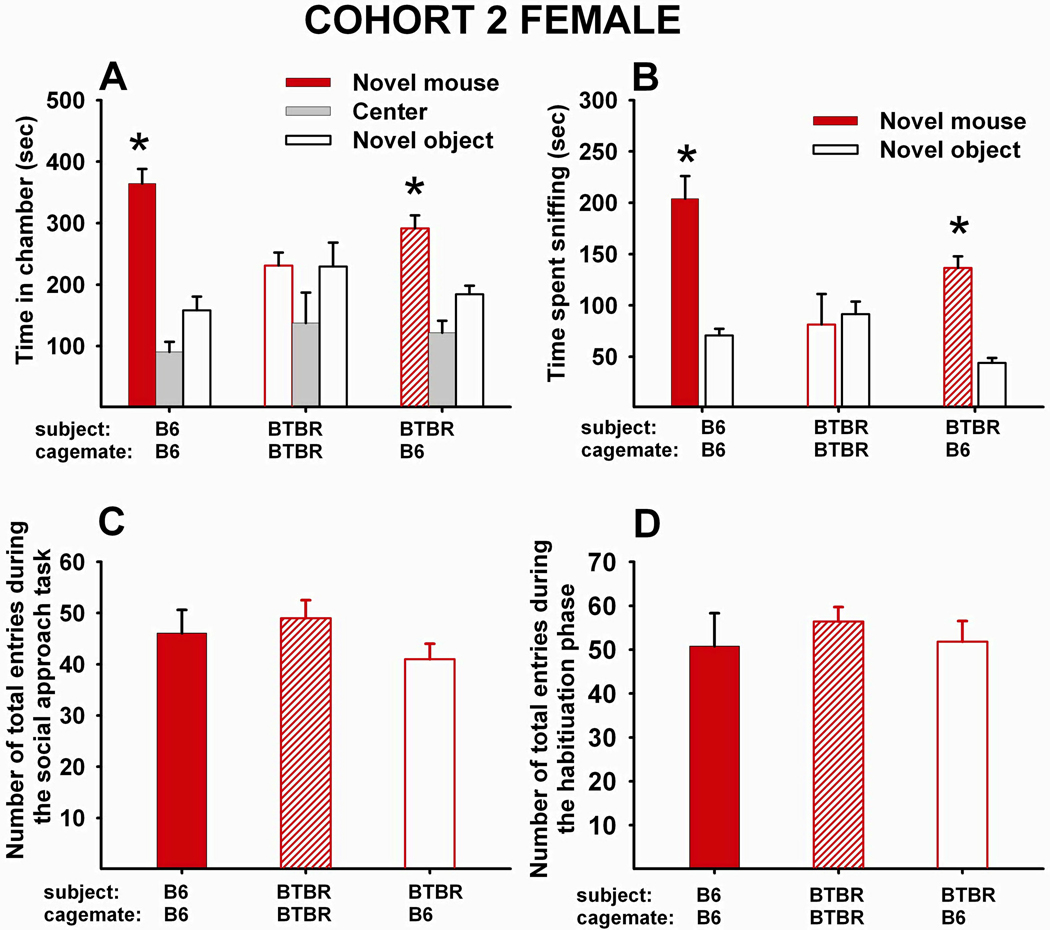
Figure 4. 20-day peer-enriched intervention improved sociability in BTBR female mice
(A) Time in chambers containing a novel object or novel mouse. Female B6 that were reared as juveniles with juvenile female B6 for 20 days displayed typical sociability as adults (N=8, F1,7=52.20, p<.001). Female BTBR reared as juveniles with juvenile female BTBR for 20 days did not display sociability as adults (N=8, F1,7=0.07, NS). Female BTBR reared as juveniles with juvenile female B6 for 20 days displayed significant sociability as adults (N=16, F1,15=12.18, p<.01). (B) Time spent sniffing the novel object and the novel mouse. Female B6 reared as juveniles with juvenile female B6 for 20 days displayed significant sociability as adults (F1,7=42.73, p<.001). Female BTBR reared as juveniles with juvenile female BTBR did not display significant sociability (F1,7=0.06, NS). Female BTBR reared as juveniles with juvenile female B6 displayed significant sociability as adults (F1,15=48.28, p<.001). (C) Total number of entries to the side chambers during the social approach task. No significant effect of social housing was found (F2,29=1.51, NS). (D) Total number of entries to the side chambers during the habituation phase that preceded the social approach task. No significant effect of social housing was found (F2,29=0.24, NS). (A and B) *p < .05 for comparison between novel mouse and novel object sides.
Figure 5
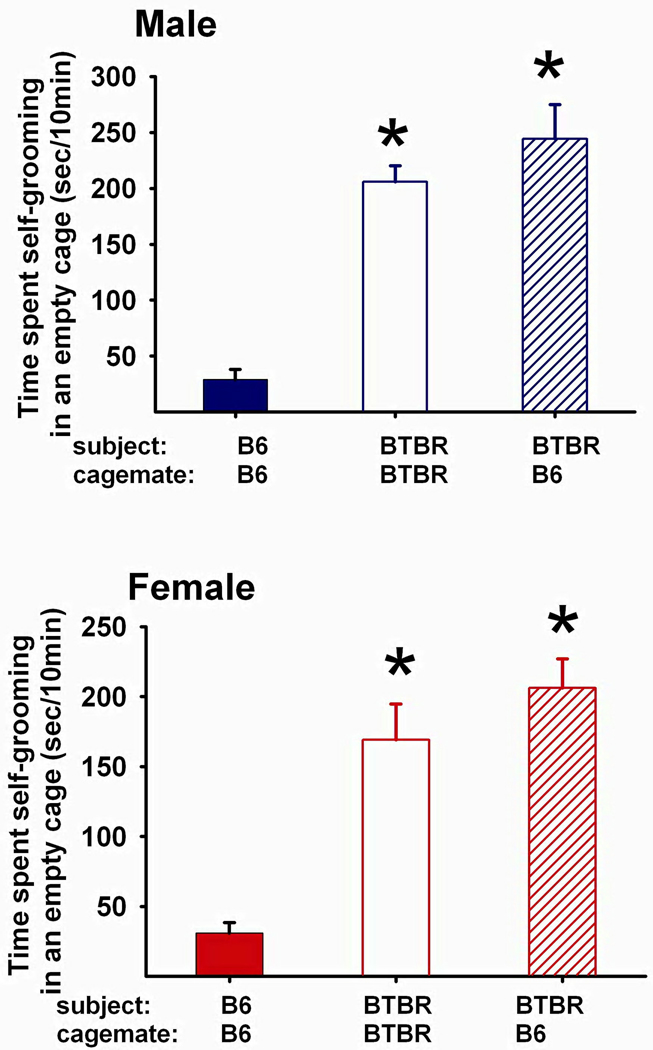
Figure 5. Social peer enrichment did not affect high levels of repetitive self-grooming in male and female BTBR
Time spent in repetitive self-grooming was significantly higher in adult male BTBR that were reared with either B6 (N=16) or BTBR (N=16) as juveniles, as compared to B6 controls (N=16) (Main effect of social housing, F2,45=53.81, p<.001; posthoc Scheffe test, p<.01 for each comparison). Similarly, adult female BTBR reared with either B6 (N=16) or BTBR (N=16) as juveniles showed higher levels of self-grooming as compared to B6 control females (N=16) (Main effect of social housing, F2,45=32.70, p<.001; Posthoc Scheffe test, p<.01 for each comparison). *p < .05 as compared to B6 reared with B6.

Comment in

References

    1. American Psychiatric Association, W., DC. Diagnostic and Statistical Manual of Mental Disorders, 4th edn text rev (DSM-IV-TR) Washington, DC: American Psychological Association; 2000.
    1. Bartz JA, Hollander E. Oxytocin and experimental therapeutics in autism spectrum disorders. Prog Brain Res. 2008;170:451–462. - PubMed
    1. Bear MF, Huber KM, Warren ST. The mGluR theory of fragile X mental retardation. Trends Neurosci. 2004;27(7):370–377. - PubMed
    1. Betz A, Higbee TS, Reagon KA. Using joint activity schedules to promote peer engagement in preschoolers with autism. J Appl Behav Anal. 2008;41(2):237–241. - PMC - PubMed
    1. Billstedt E, Gillberg IC, Gillberg C. Autism after adolescence: population-based 13- to 22-year follow-up study of 120 individuals with autism diagnosed in childhood. J Autism Dev Disord. 2005;35(3):351–360. - PubMed

Publication types

MeSH terms

LinkOut - more resources