


Pes cavus and hereditary neuropathies: when a relationship should be suspected
- PMID: 20963465
- PMCID: PMC3014467
- DOI: 10.1007/s10195-010-0114-y
Pes cavus and hereditary neuropathies: when a relationship should be suspected
Abstract
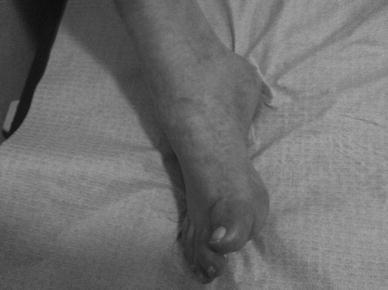
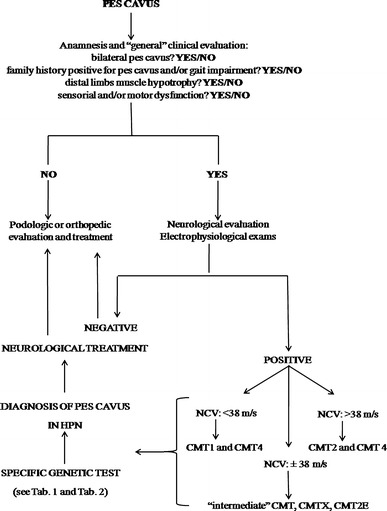
The hereditary peripheral neuropathies are a clinically and genetically heterogeneous group of diseases of the peripheral nervous system. Foot deformities, including the common pes cavus, but also hammer toes and twisting of the ankle, are frequently present in patients with hereditary peripheral neuropathy, and often represent one of the first signs of the disease. Pes cavus in hereditary peripheral neuropathies is caused by imbalance between the intrinsic muscles of the foot and the muscles of the leg. Accurate clinical evaluation in patients with pes cavus is necessary to exclude or confirm the presence of peripheral neuropathy. Hereditary peripheral neuropathies should be suspected in those cases with bilateral foot deformities, in the presence of family history for pes cavus and/or gait impairment, and in the presence of neurological symptoms or signs, such as distal muscle hypotrophy of limbs. Herein, we review the hereditary peripheral neuropathies in which pes cavus plays a key role as a "spy sign," discussing the clinical and molecular features of these disorders to highlight the importance of pes cavus as a helpful clinical sign in these rare diseases.
Figures

References
-
- Japas LM. Surgical treatment of pes cavus by tarsal v-osteotomy: preliminary report. J Bone Joint Surg Am. 1968;50:927–944. - PubMed
Publication types
MeSH terms
LinkOut - more resources
Full Text Sources
