


Incidence, risk factors and clinical epidemiology of melioidosis: a complex socio-ecological emerging infectious disease in the Alor Setar region of Kedah, Malaysia
- PMID: 20964837
- PMCID: PMC2975659
- DOI: 10.1186/1471-2334-10-302
Incidence, risk factors and clinical epidemiology of melioidosis: a complex socio-ecological emerging infectious disease in the Alor Setar region of Kedah, Malaysia
Abstract
Background: Melioidosis, a severe and fatal infectious disease caused by Burkholderia pseudomallei, is believed to an emerging global threat. However, data on the natural history, risk factors, and geographic epidemiology of the disease are still limited.
Methods: We undertook a retrospective analysis of 145 confirmed cases extracted from a hospital-based Melioidosis Registry set up from 2005 in Hospital Sultanah Bahiyah, Alor Setar, Kedah state, Malaysia, in order to provide a first description of the contemporary incidence, risk factors, and clinical epidemiology of the disease in this putatively high risk region of the country.
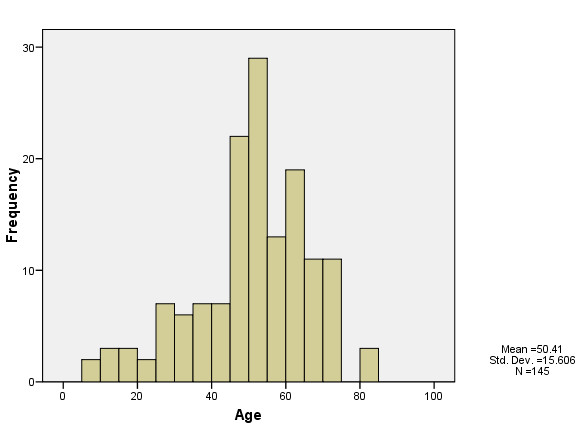
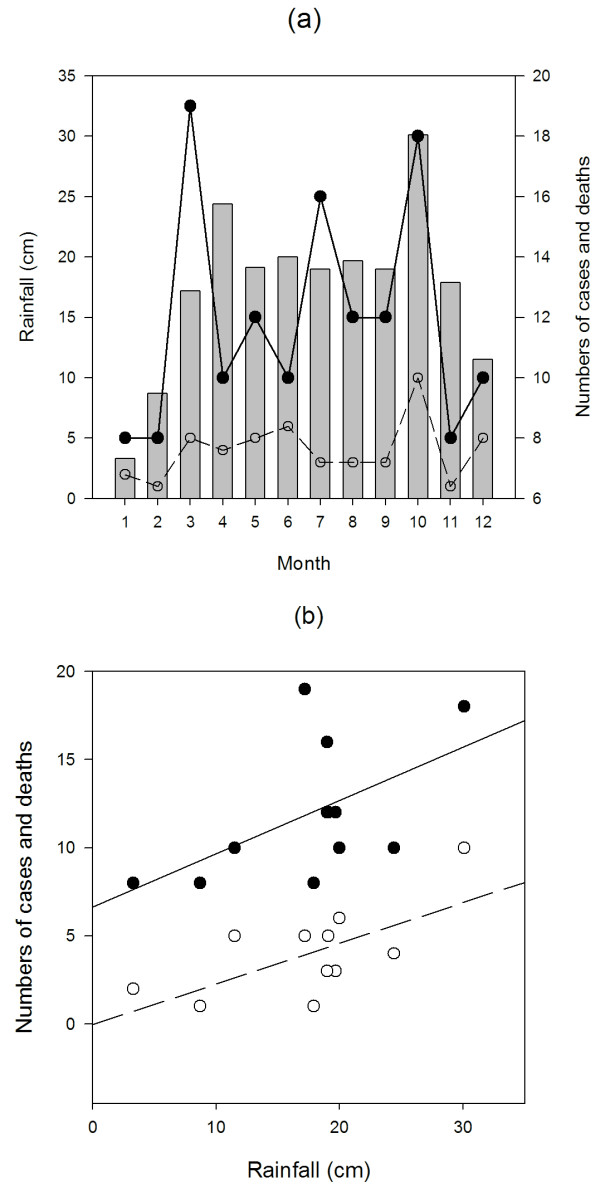
Results: The incidence of melioidosis in Alor Setar is remarkably high at 16.35 per 100,000 population per year. The mean age of patients was 50.40 years, with infection varying nonlinearly with age. Males (75.2%; P < 0.0001) predominated and the majority of cases were Malays (88.9%). The overall, crude mortality rate among the study patients was 33.8%. The proportions of cases and deaths were significantly greater among patients involved in farming, forestry and fishing and the unemployed (χ2 = 30.57, P < 0.0001). A majority of cases (62.75%) were culture positive, with mortality in these patients being 45.05%. A large proportion (83.0%) of culture positives was also bacteremic. Pneumonia accounted for 42.06% of primary diagnoses followed in importance by soft tissue abscess. In patients with pneumonia and who were culture positive, the mortality rate was as high as 65.00%. Diabetes mellitus constituted the major underlying risk factor for developing and dying from melioidosis, occurring in 57% of all diagnosed cases. The age distribution of diabetes paralleled that of melioidosis cases. There were linear associations between cases and deaths with monthly rainfall.
Conclusions: Melioidosis represents a complex socio-ecological public health problem in Kedah, being strongly related with age, occupation, rainfall and predisposing chronic diseases, such as diabetes mellitus. Among cases, bacteremic patients were associated with significantly high mortality despite provision of the recommended antibacterial therapy. The burden of this disease is likely to grow in this region unless better informed interventions targeted at high-risk groups and associated diseases are urgently implemented.
Figures
References
-
- Inglis TJ, Rolim DB, Sousa Ade Q. Melioidosis in the Americas. Am J Trop Med Hyg. 2006;75:947–954. - PubMed
Publication types
MeSH terms
Grants and funding
LinkOut - more resources
Full Text Sources
