


Prediction of exposure-response relationships to support first-in-human study design
- PMID: 20967521
- PMCID: PMC2976982
- DOI: 10.1208/s12248-010-9236-7
Prediction of exposure-response relationships to support first-in-human study design
Abstract
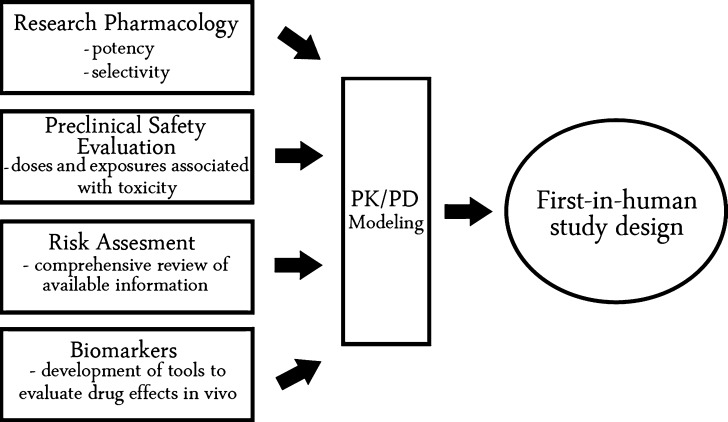
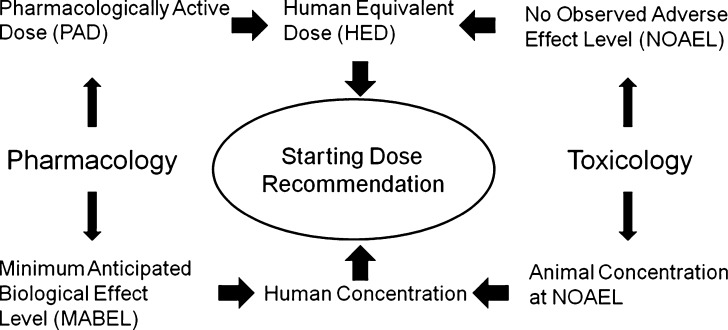
In drug development, phase 1 first-in-human studies represent a major milestone as the drug moves from preclinical discovery to clinical development activities. The safety of human subjects is paramount to the conduct of these studies and regulatory considerations guide activities. Forces of evolution on the pharmaceutical industry are re-shaping the first-in-human dose selection strategy. Namely, high attrition rates in part due to lack of efficacy have led to the re-organization of research and development organizations around the umbrella of translational research. Translational research strives to bring basic research advances into the clinic and support the reverse transfer of information to enhance compound selection strategies. Pharmacokinetic/pharmacodynamic (PK/PD) modeling holds a unique position in translational research by attempting to integrate diverse sets of information. PK/PD modeling has demonstrated utility in dose selection and trial design for later stages of drug development and is now being employed with greater prevalence in the translational research setting to manage risk (i.e., oncology and inflammation/immunology). Moving from empirical E (max) models to more mechanistic representations of the biological system, a higher fidelity of human predictions is expected. Strategies that have proven useful for PK predictions are being applied to PK/PD predictions. This review article examines examples of the application of PK/PD modeling in establishing target concentrations for supporting first-in-human study design.
Figures
References
-
- Paul S, Mytelka D, Dunwiddie C, et al. How to improve R&D productivity: the pharmaceutical industry’s grand challenge. Nat Rev Drug Discov. 2010;9:203–214. - PubMed
-
- Severino ME, Dubose RF, Patterson SD. A strategic view on the use of pharmacodynamic biomarkers in early clinical drug development. IDrugs. 2006;9:849–853. - PubMed
-
- Sultana SR, Marshall S, Davis J, Littman BH. (2007) Experiences with dose finding in patients in early drug development: the use of biomarkers in early decision making. Ernst Schering Research Foundation Workshop. 65–79. - PubMed
Publication types
MeSH terms
LinkOut - more resources
Full Text Sources
