Identifying sleep disturbances in Huntington's disease using a simple disease-focused questionnaire
- PMID: 20972477
- PMCID: PMC2957697
- DOI: 10.1371/currents.RRN1189
Identifying sleep disturbances in Huntington's disease using a simple disease-focused questionnaire
Abstract
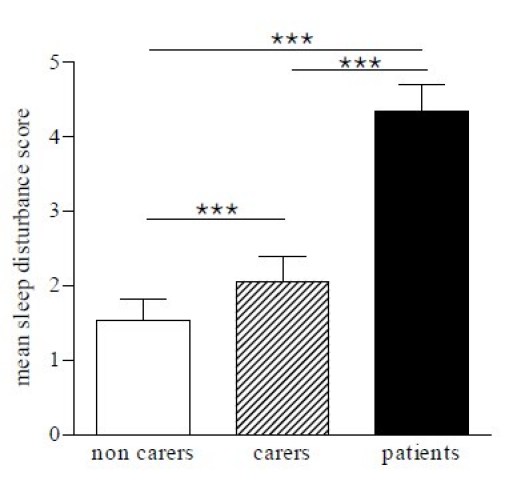
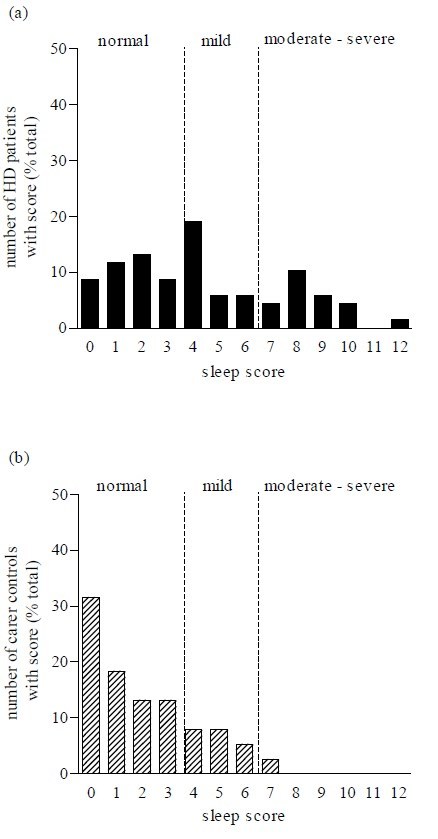
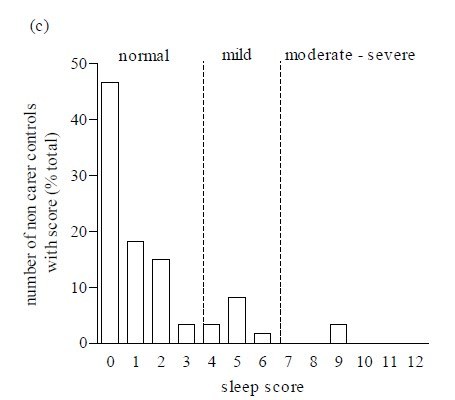
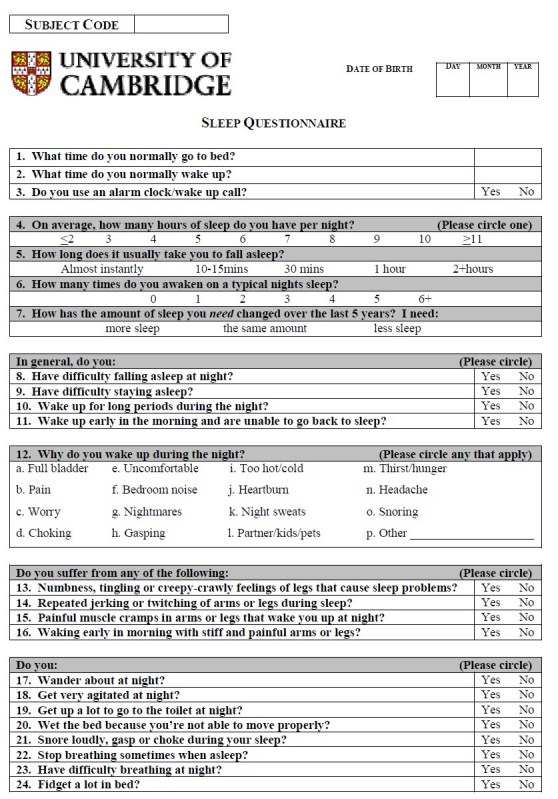
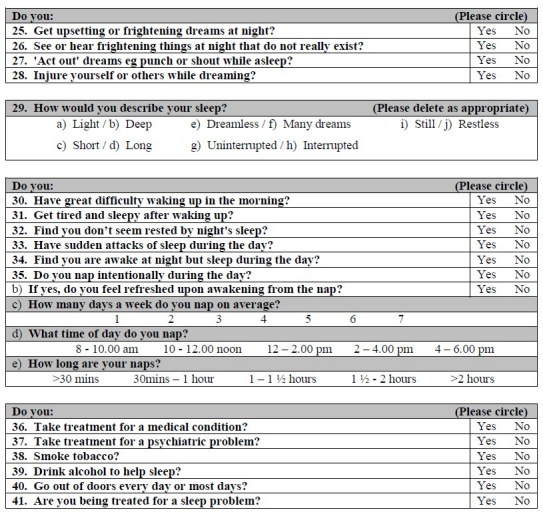
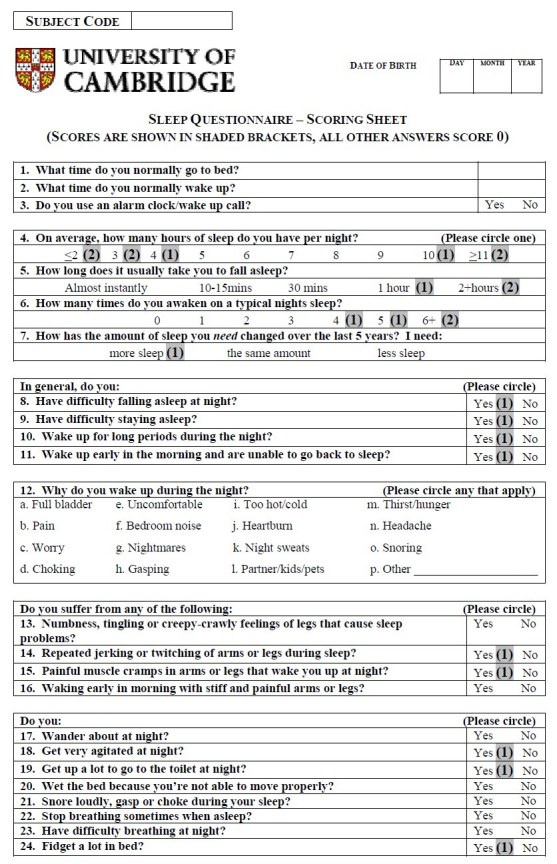
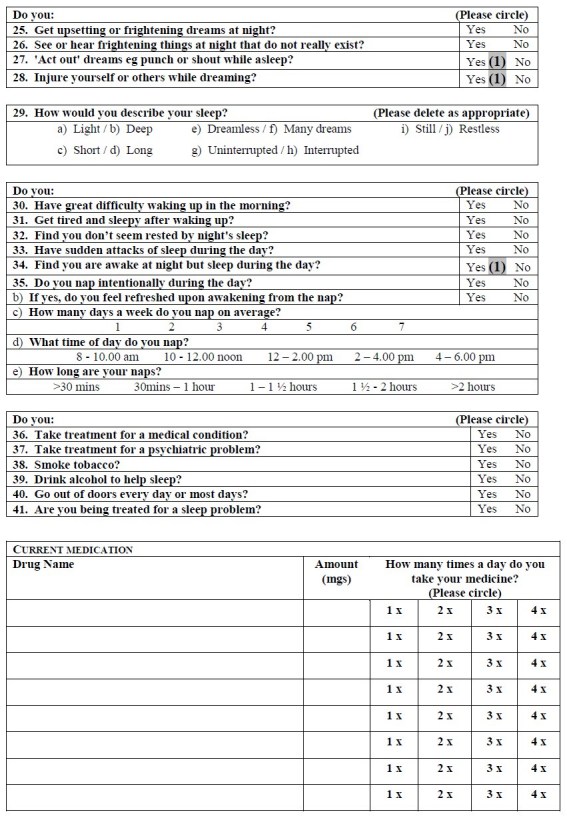
Sleep disturbances have been shown to affect patients with various neurological diseases, including Huntington's disease (HD). We therefore aimed to develop a sleep questionnaire that could be used by clinicians to help identify sleep disturbances in patients with the disease.Design A detailed questionnaire was used that was modelled on recent sleep questionnaires used for Parkinson's disease patients, and developed after consultation with sleep specialists. This questionnaire contained 45 questions that focused on different sleep-related issues such as duration, quality of sleep, abnormal nocturnal behaviour and quality of life. Setting Questionnaires were either completed in the home environment or in clinic.Participants 66 patients, 38 carers and 60 non-carers were recruited.Measurements & Results Various sleep-related difficulties were identified in a significantly greater proportion of HD patients compared to control subjects, with both quality and quantity of sleep being affected. Conclusions Disturbed sleep in HD may contribute towards the deterioration of the patient's ability to do activities of daily living and have a significantly deleterious effect on the quality of life of both patients and carers. This simple questionnaire should aid the clinician by providing subjective insight into the patient's sleep patterns that could enable more effective, individual-specific treatment to be instigated and ultimately improve quality of life.
References
-
- Van Someren EJ. Circadian and sleep disturbances in the elderly. Exp.Gerontol. 2000; 35:1229-37. - PubMed
-
- Prinz PN, Vitaliano PP, Vitiello MV et al. Sleep, EEG and mental function changes in senile dementia of the Alzheimer's type. Neurobiol.Aging 1982; 3:361-70. - PubMed
-
- Montplaisir J, Petit D, Lorrain D et al. Sleep in Alzheimer's disease: further considerations on the role of brainstem and forebrain cholinergic populations in sleep-wake mechanisms. Sleep 1995; 18:145-48. - PubMed
-
- Chokroverty S. Sleep and degenerative neurologic disorders. Neurol.Clin. 1996; 14:807-26. - PubMed
-
- Kumar S, Bhatia M, Behari M. Sleep disorders in Parkinson's disease. Mov Disord. 2002; 17:775-81. - PubMed
Grants and funding
LinkOut - more resources
Full Text Sources
Other Literature Sources