The impact of disadvantage on the development and progression of diabetic kidney disease
- PMID: 20979961
- PMCID: PMC3472657
- DOI: 10.5414/cnp74s032
The impact of disadvantage on the development and progression of diabetic kidney disease
Abstract
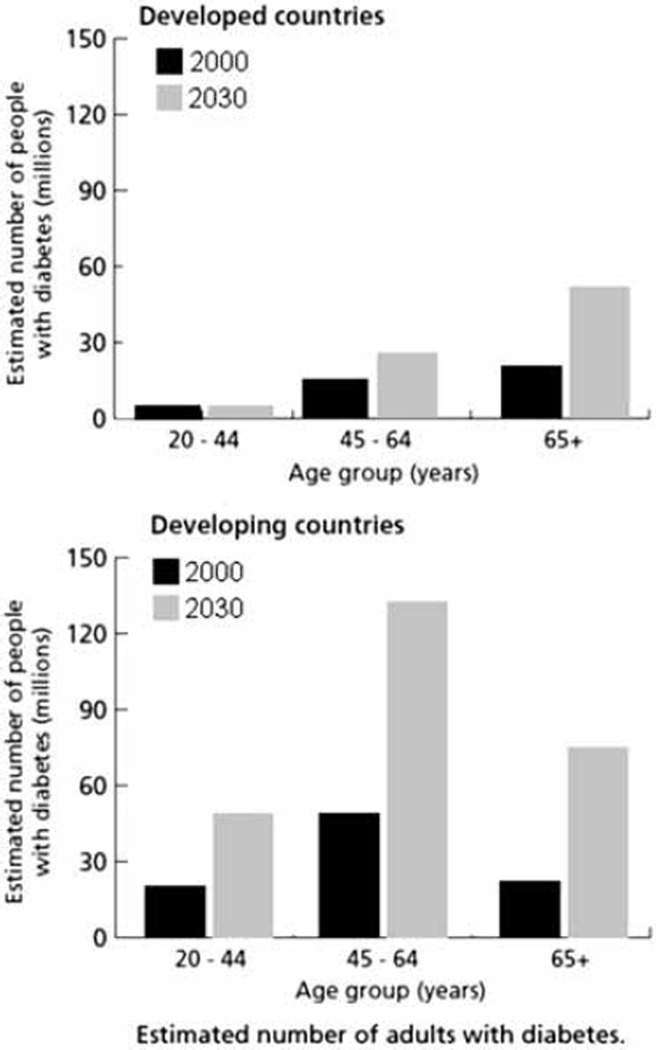
Background: Disadvantaged people include those experiencing economic, social or educational deprivation and, in some cases, those undergoing rapid transition from subsistence to industrial economies. Disadvantaged people worldwide are affected disproportionately by the global epidemic of diabetes. They are also at increased risk of kidney disease attributable to diabetes, and for many, the cost of managing their kidney disease far exceeds their available resources.
Methods: We review factors associated with disadvantage that may increase the risk of diabetic kidney disease, and the barriers to care that hinder attempts to provide an adequate therapeutic response.
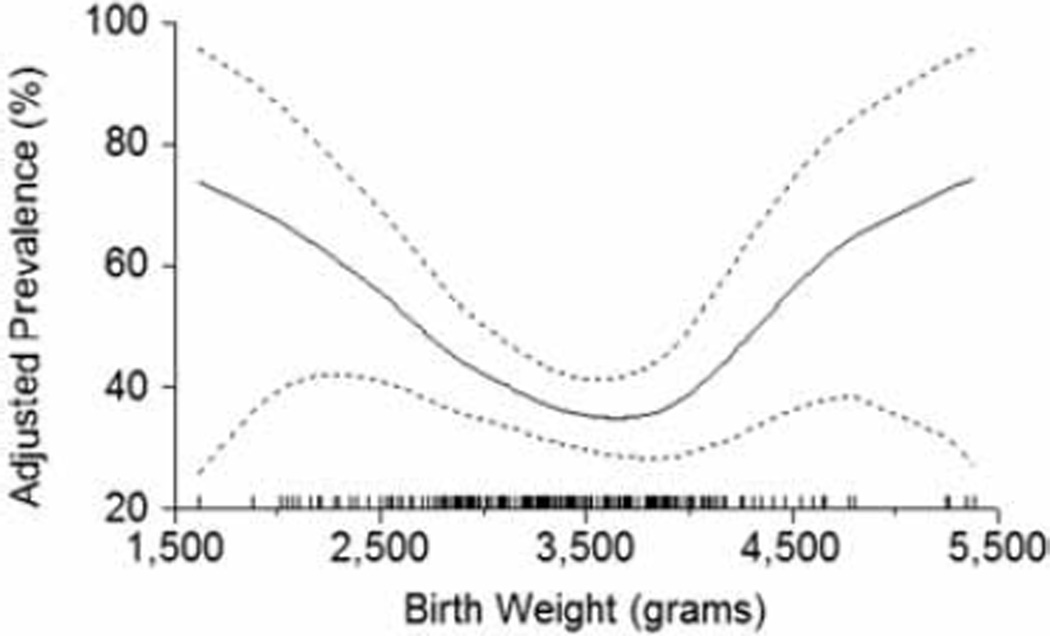
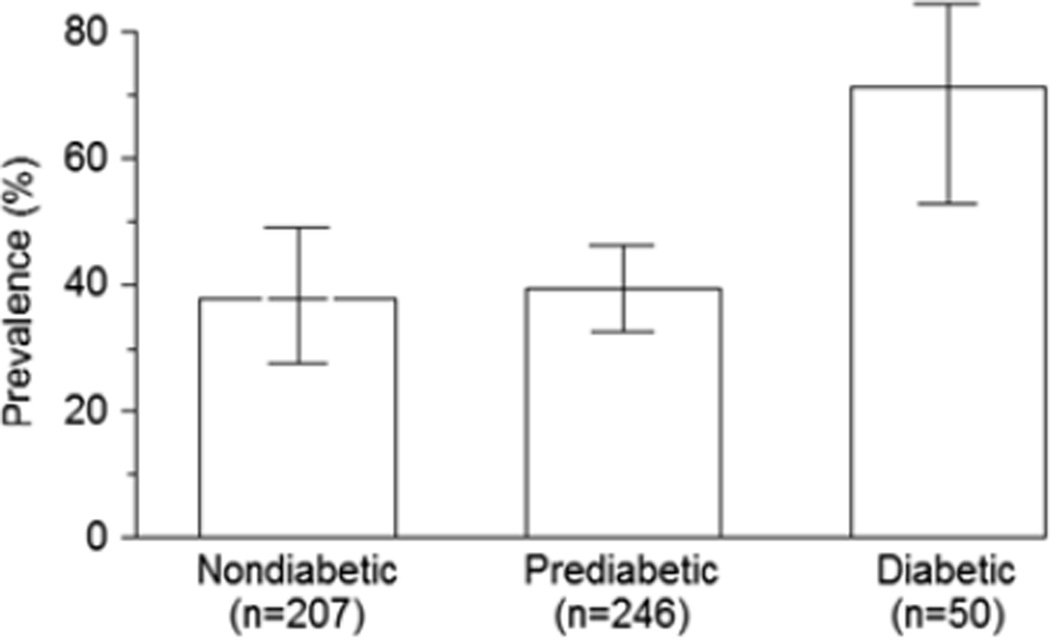
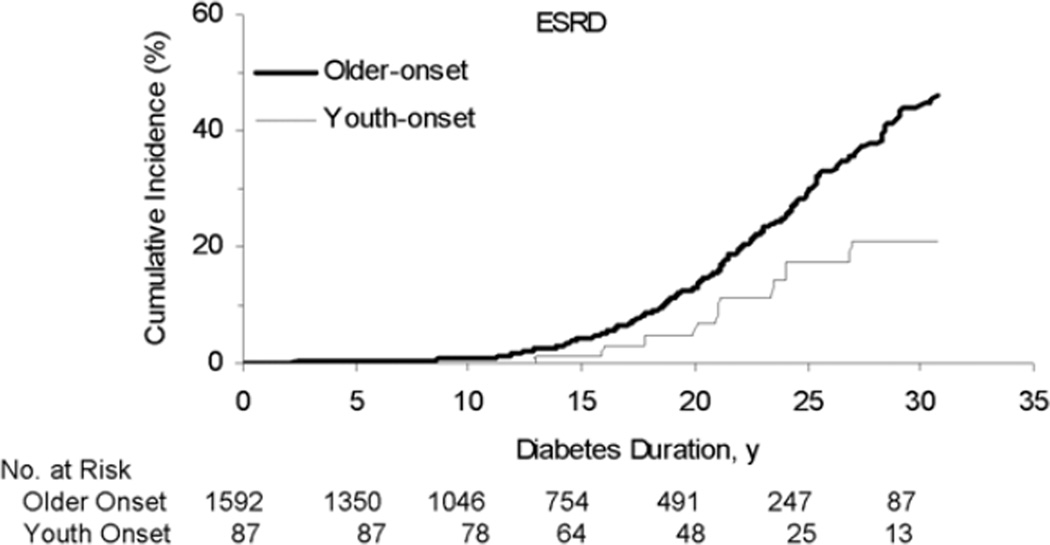
Results and conclusions: A rapidly rising prevalence and magnitude of obesity among children and adults, increasing frequency of intrauterine exposure to diabetes, and inadequate access to healthcare are responsible, in part, for a surge in the frequency of diabetes and, in turn, diabetic kidney disease among disadvantaged people. These factors may also predispose to an earlier onset of diabetes and kidney disease, thereby perpetuating the disadvantage by reducing the earning potential of those affected through illness and disability.
Figures
References
-
- Nelson RG. Intrauterine determinants of diabetic kidney disease in disadvantaged populations. Kidney Int. 2003;83(Suppl):13–16. - PubMed
-
- Weil EJ, Nelson RG. Diabetic Kidney Disease in Transitional and Disadvantaged Populations. In: Cortes P, Mogensen CE, editors. The Diabetic Kidney. Totowa, New Jersey: Humana Press; 2006.
-
- Phipps K, Barker DJ, Hales CN, Fall CH, Osmond C, Clark PM. Fetal growth and impaired glucose tolerance in men and women. Diabetologia. 1993;36:225–228. - PubMed
Publication types
MeSH terms
Grants and funding
LinkOut - more resources
Full Text Sources
Medical