


Gene Expression Changes Induced by PPAR Gamma Agonists in Animal and Human Liver
- PMID: 20981297
- PMCID: PMC2963138
- DOI: 10.1155/2010/325183
Gene Expression Changes Induced by PPAR Gamma Agonists in Animal and Human Liver
Abstract
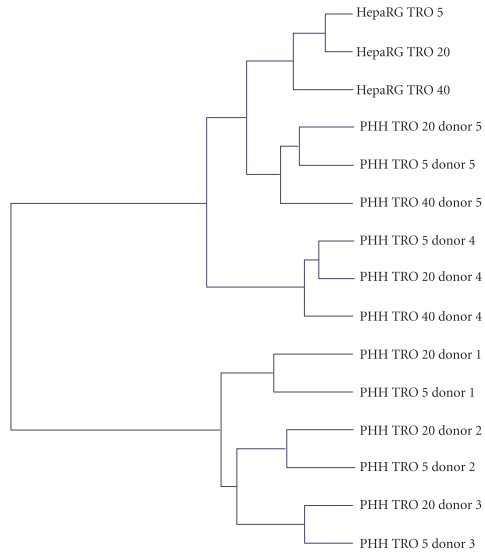
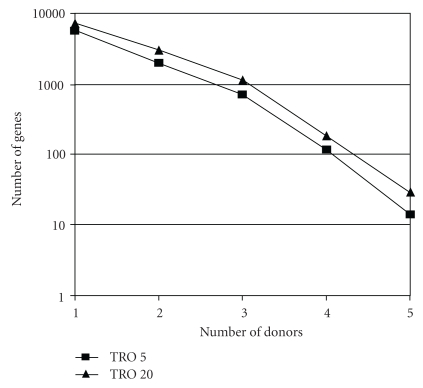
Thiazolidinediones are a class of Peroxisome Proliferator Activated Receptor γ (PPARγ) agonists that reduce insulin resistance in type 2 diabetic patients. Although no detectable hepatic toxicity has been evidenced in animal studies during preclinical trials, these molecules have nevertheless induced hepatic adverse effects in some treated patients. The mechanism(s) of hepatotoxicity remains equivocal. Several studies have been conducted using PCR analysis and microarray technology to identify possible target genes and here we review the data obtained from various in vivo and in vitro experimental models. Although PPARγ is expressed at a much lower level in liver than in adipose tissue, PPARγ agonists exert various PPARγ-dependent effects in liver in addition to PPARγ-independent effects. Differences in effects are dependent on the choice of agonist and experimental conditions in rodent animal studies and in rodent and human liver cell cultures. These effects are much more pronounced in obese and diabetic liver. Moreover, our own recent studies have shown major interindividual variability in the response of primary human hepatocyte populations to troglitazone treatment, supporting the occurrence of hepatotoxicity in only some individuals.
Figures
References
-
- Low S, Chin MC, Deurenberg-Yap M. Review on epidemic of obesity. Annals of the Academy of Medicine Singapore. 2009;38(1):57–59. - PubMed
-
- Staels B, Fruchart J-C. Therapeutic roles of peroxisome proliferator-activated receptor agonists. Diabetes. 2005;54(8):2460–2470. - PubMed
-
- Michalik L, Auwerx J, Berger JP, et al. International union of pharmacology. LXI. Peroxisome proliferator-activated receptors. Pharmacological Reviews. 2006;58(4):726–741. - PubMed
-
- Fajas L, Auboeuf D, Raspé E, et al. The organization, promoter analysis, and expression of the human PPARγ gene. Journal of Biological Chemistry. 1997;272(30):18779–18789. - PubMed
-
- Tanaka T, Yamamoto J, Iwasaki S, et al. Activation of peroxisome proliferator-activated receptor δ induces fatty acid β-oxidation in skeletal muscle and attenuates metabolic syndrome. Proceedings of the National Academy of Sciences of the United States of America. 2003;100(26):15924–15929. - PMC - PubMed
LinkOut - more resources
Full Text Sources
Other Literature Sources
