


The infectious march: the complex interaction between microbes and the immune system in asthma
- PMID: 21029932
- PMCID: PMC2992980
- DOI: 10.1016/j.iac.2010.09.008
The infectious march: the complex interaction between microbes and the immune system in asthma
Abstract
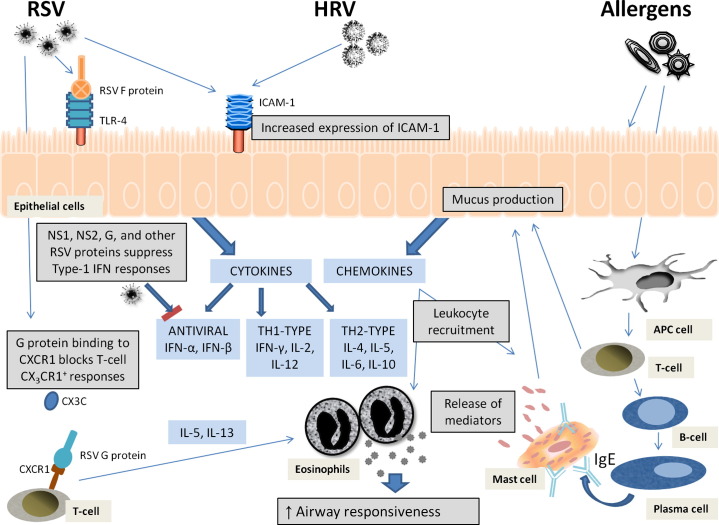
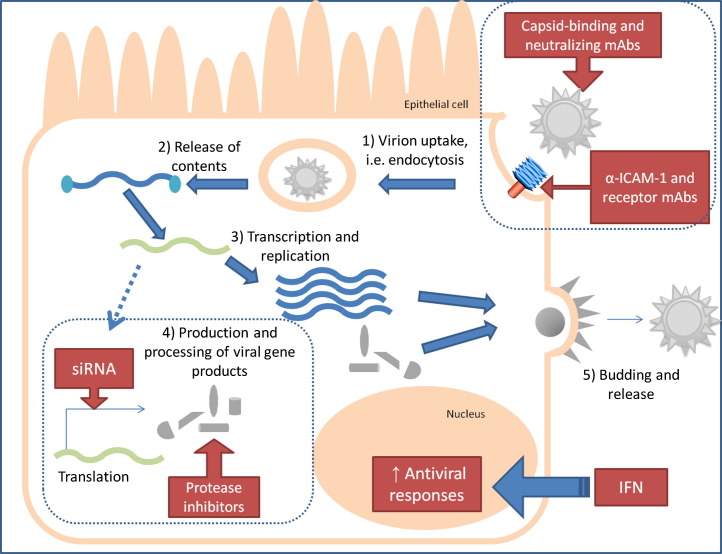
There has been significant progress in our knowledge about the relationship between infectious disease and the immune system in relation to asthma, but many unanswered questions still remain. Respiratory tract infections such as those caused by respiratory syncytial virus and rhinovirus during the first 2 years of life are still clearly associated with later wheezing and asthma, but the mechanism has not been completely worked out. Is there an "infectious march" triggered by infection in infancy that progresses to disease pathology or are infants who contract respiratory infections predisposed to developing asthma? This review focuses on the common themes in the interaction between microbes and the immune system, and presents a critical appraisal of the evidence to date. The various mechanisms whereby microbes alter the immune response and how this might influence asthma are discussed along with new and promising clinical practices for prevention and therapy. Recent advances in using sensitive polymerase chain reaction detection methods have allowed more rigorous testing of the causality hypothesis of virus infection leading to asthma, but the evidence is still equivocal. Various exceptions and inconsistencies in the clinical trials are discussed in light of new guidelines for subject inclusion/exclusion in hopes of providing some standardization. Despite past failures in vaccination and disappointing results of some clinical trials, the new strategies for prophylaxis including RNA interference and targeted delivery of microbicides offer a large dose of hope to a world suffering from an increasing incidence of asthma as well as a huge burden of health care cost and loss of quality of life.
Published by Elsevier Inc.
Figures
References
-
- Bloom B., Cohen R.A., Freeman G. Summary health statistics for U.S. children: National Health Interview Survey, 2008. Vital Health Stat. 2009;10(244):55. - PubMed
-
- Akinbami L. Office of Information Services; Hyattsville (MD): 2006. NCHS Health E-Stat: asthma prevalence, health care use and mortality: United States, 2003-05.
-
- National Institute of Health U.S. Department of Health and Human Services; Bethesda (MD): 2009. National Heart, Lung and Blood Institute chartbook.
-
- Asher M.I., Montefort S., Björkstén B. Worldwide time trends in the prevalence of symptoms of asthma, allergic rhinoconjunctivitis, and eczema in childhood: ISAAC phases one and three repeat multicountry cross-sectional surveys. Lancet. 2006;368(9537):733–743. - PubMed
-
- Moorman J.E., Rudd R.A., Johnson R.A. National surveillance for asthma—United States, 1980-2004. MMVR Surveill Summ. 2007;56(SS8 Suppl S):1–54. - PubMed
Publication types
MeSH terms
Grants and funding
LinkOut - more resources
Full Text Sources
Other Literature Sources
Medical
Miscellaneous
