


Tourniquet-induced acute ischemia-reperfusion injury in mouse skeletal muscles: Involvement of superoxide
- PMID: 21036124
- PMCID: PMC3008320
- DOI: 10.1016/j.ejphar.2010.10.037
Tourniquet-induced acute ischemia-reperfusion injury in mouse skeletal muscles: Involvement of superoxide
Abstract
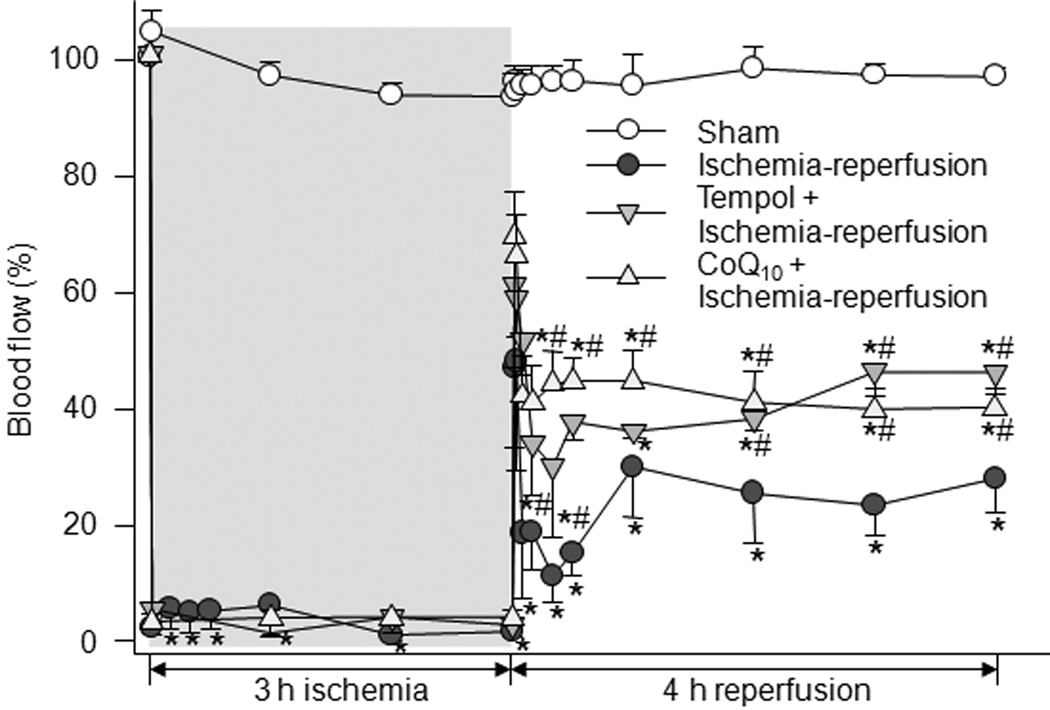
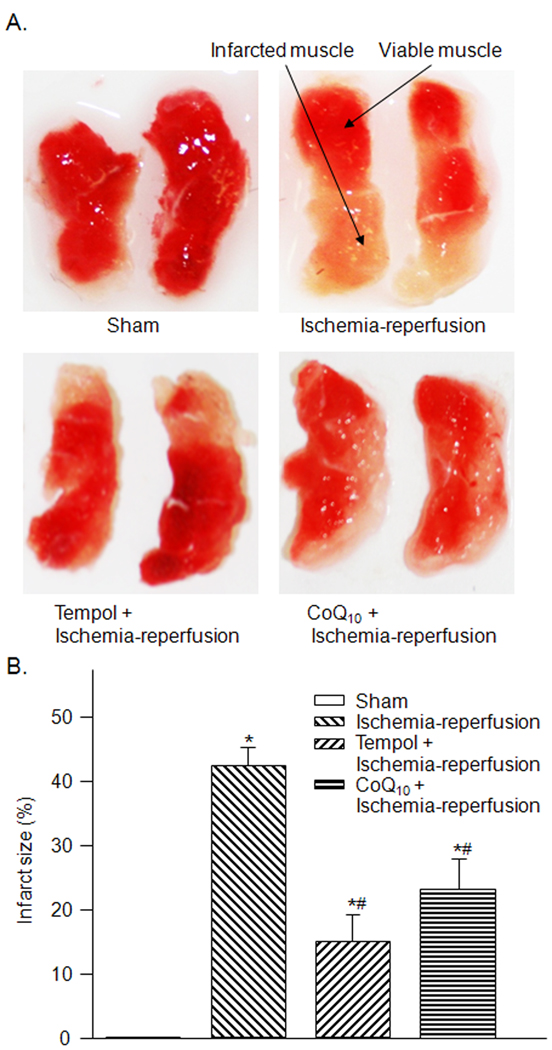
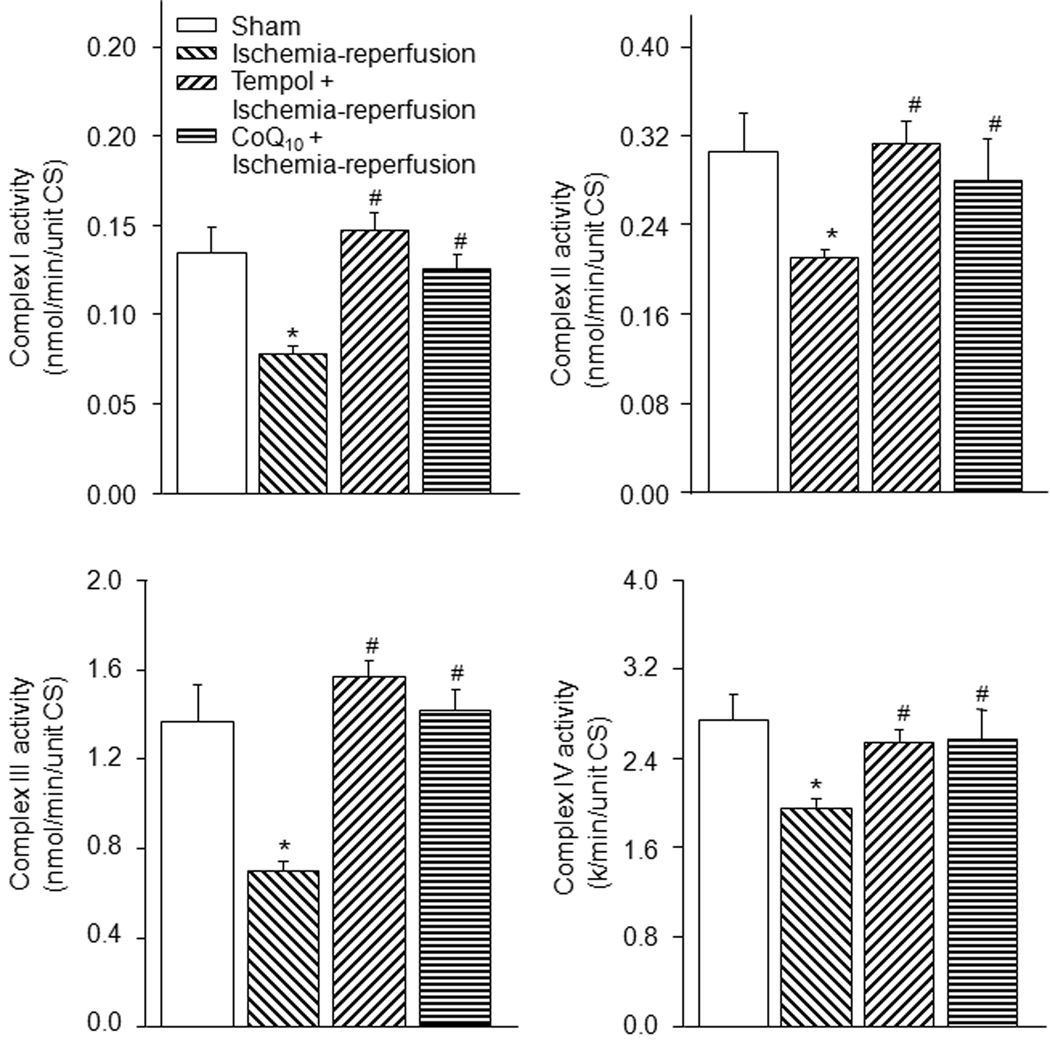
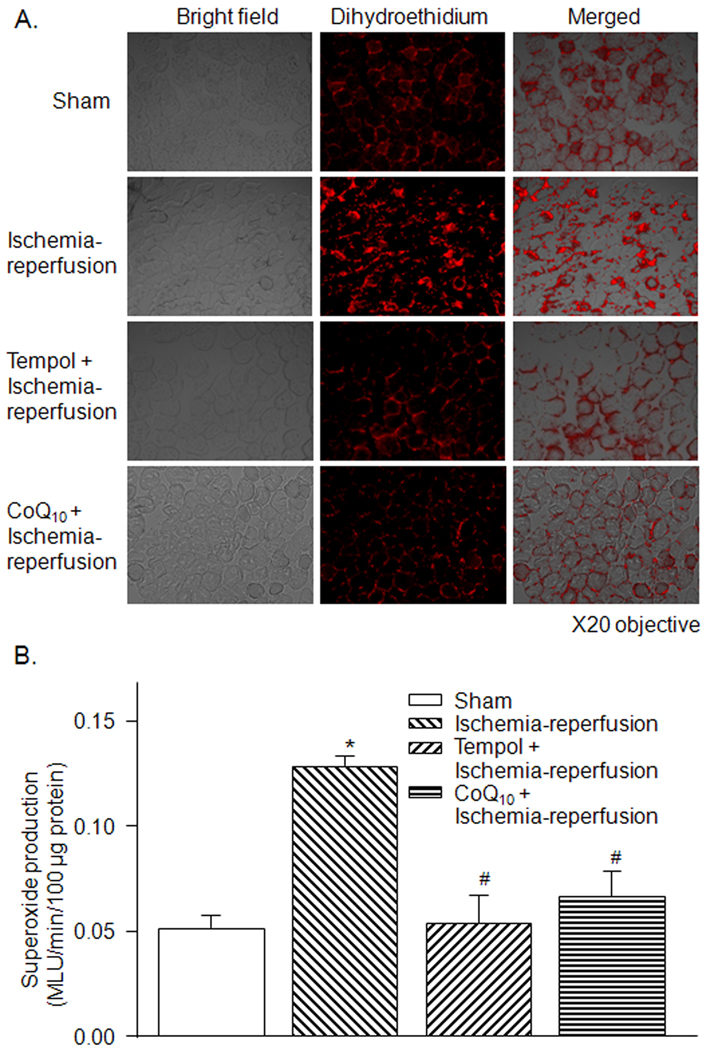
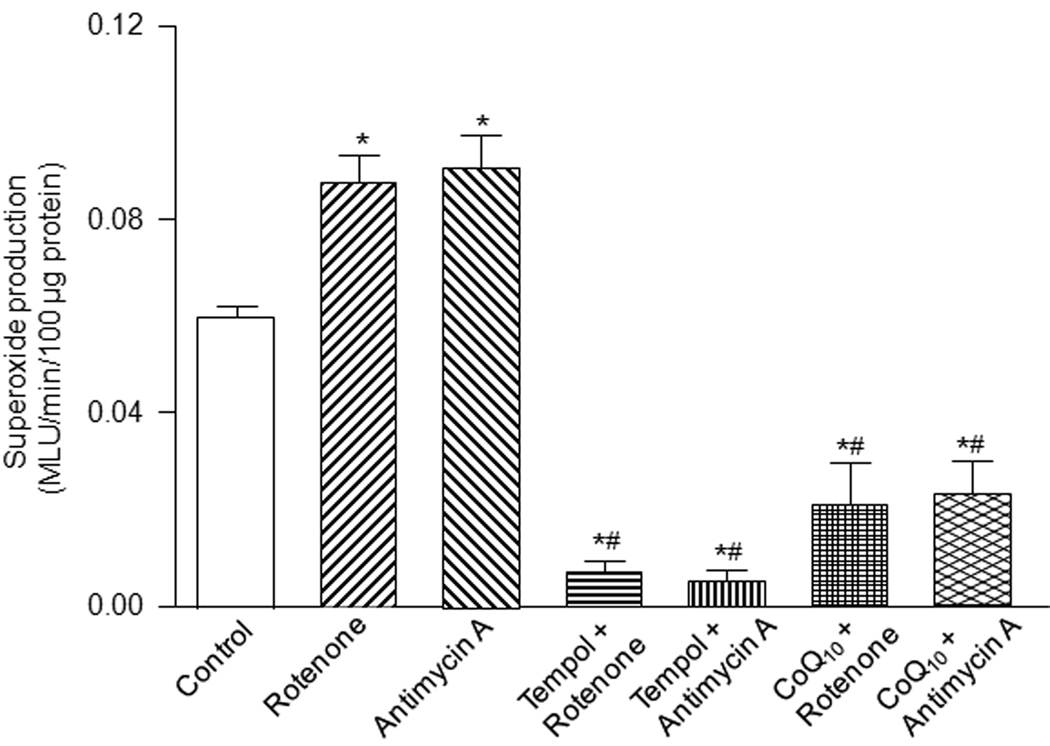
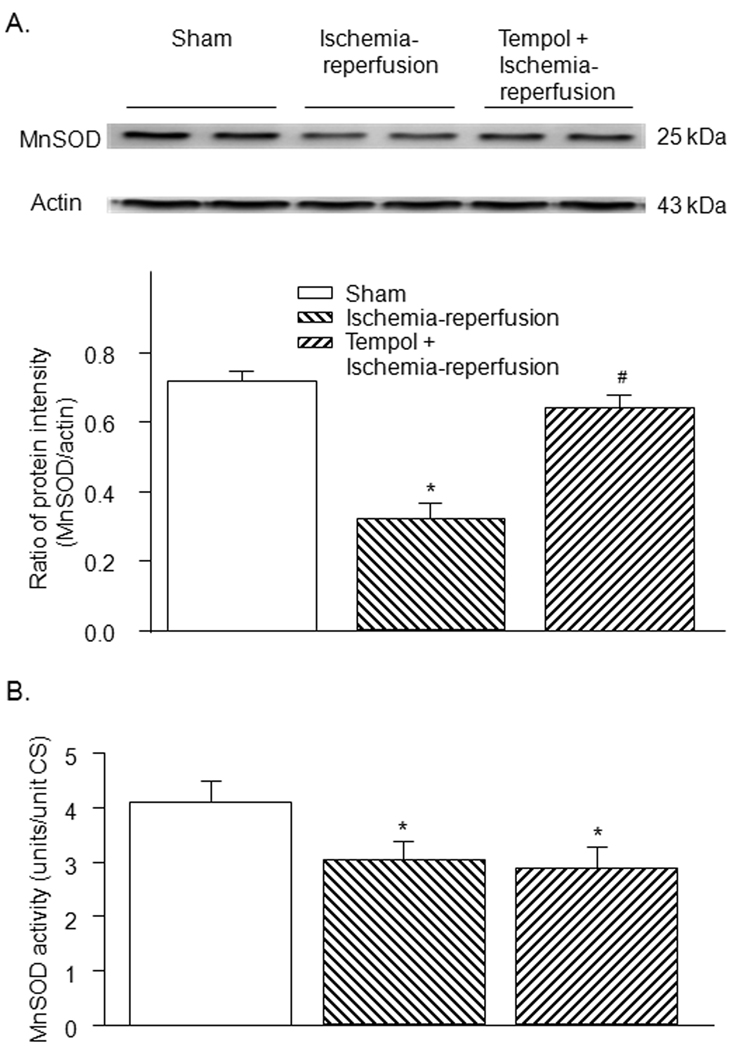
Although arterial limb tourniquet is one of the first-line treatments to prevent exsanguinating hemorrhage in both civilian pre-hospital and battlefield casualty care, prolonged application of a limb tourniquet can lead to serious ischemia-reperfusion injury. However, the underlying pathomechanisms of tourniquet-induced ischemia-reperfusion injury are still poorly understood. Using a murine model of acute limb ischemia-reperfusion, we investigated if acute limb ischemia-reperfusion injury is mediated by superoxide overproduction and mitochondrial dysfunction. Hind limbs of C57/BL6 mice were subjected to 3h ischemia and 4h reperfusion via placement and release of a rubber tourniquet at the greater trochanter. Approximately 40% of the gastrocnemius muscle suffered infarction in this model. Activities of mitochondrial electron transport chain complexes including complex I, II, III, and IV in the gastrocnemius muscle were decreased in the ischemia-reperfusion group compared to sham. Superoxide production was increased while activity of manganese superoxide dismutase (MnSOD, the mitochondria-targeted SOD isoform) was decreased in the ischemia-reperfusion group compared to the sham group. Pretreatment with tempol (a SOD mimetic, 50mg/kg) or co-enzyme Q(10) (50mg/kg) not only decreased the superoxide production, but also reduced the infarct size and normalized mitochondrial dysfunction in the gastrocnemius muscle. Our results suggest that tourniquet-induced skeletal muscle ischemia-reperfusion injuries including infarct size and mitochondrial dysfunction may be mediated via superoxide overproduction and reduced antioxidant activity. In the future, this murine ischemia-reperfusion model can be adapted to mechanistically evaluate anti-ischemic molecules in tourniquet-induced skeletal muscle injury.
Copyright © 2010 Elsevier B.V. All rights reserved.
Conflict of interest statement
No conflicts of interest are declared by the authors.
Figures
References
-
- Beauchamp C, Fridovich I. Superoxide dismutase: improved assays and an assay applicable to acrylamide gels. Anal. Biochem. 1971;44:276–287. - PubMed
-
- Becker LB, vanden Hoek TL, Shao ZH, Li CQ, Schumacker PT. Generation of superoxide in cardiomyocytes during ischemia before reperfusion. Am. J. Physiol. 1999;277:H2240–H2246. - PubMed
-
- Beekley AC, Sebesta JA, Blackbourne LH, Herbert GS, Kauvar DS, Baer DG, Walters TJ, Mullenix PS, Holcomb JB. Prehospital tourniquet use in Operation Iraqi Freedom: effect on hemorrhage control and outcomes. J. Trauma. 2008;64:S28–S37. - PubMed
-
- Bellamy RF. The causes of death in conventional land warfare: implications for combat casualty care research. Mil. Med. 1984;149:55–62. - PubMed
-
- Bickell WH, Wall MJ, Jr, Pepe PE, Martin RR, Ginger VF, Allen MK, Mattox KL. Immediate versus delayed fluid resuscitation for hypotensive patients with penetrating torso injuries. N. Engl. J. Med. 1994;331:1105–1109. - PubMed
Publication types
MeSH terms
Substances
Grants and funding
LinkOut - more resources
Full Text Sources
