doi: 10.4103/0971-6580.68348.
A Case of Intranasal Hemangioma and Concurrent Tetracycline-induced Ulcerative Gastritis in Dogs
Affiliations
- PMID: 21042472
- PMCID: PMC2964738
- DOI: 10.4103/0971-6580.68348
Item in Clipboard
A Case of Intranasal Hemangioma and Concurrent Tetracycline-induced Ulcerative Gastritis in Dogs
Toxicol Int.
2010 Jan.
Abstract
Incidence of drug-induced gastritis and ulceration in human medicine is well established. Besides, unilateral hemangioma, a unique concurrent case of tetracycline induced gastric toxicity in a dog, characterized by gastritis and ulceration is being reported here. Grossly, the appearance of gastric ulcers mimicked the appearance of Italian pizza. Histological examination further supported drug-induced etiology in this case. This is probably the one of the few cases in the annals of veterinary medicine to be documented as drug-induced gastric toxicity in dog.
Keywords: Dogs; doxycycline; gastritis; histopathology; tetracyclines.
Conflict of interest statement
Figures
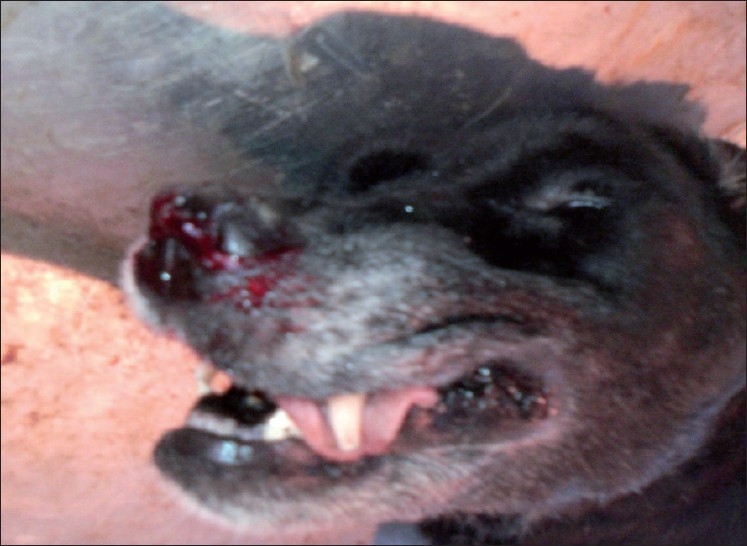
Nasal epistaxis
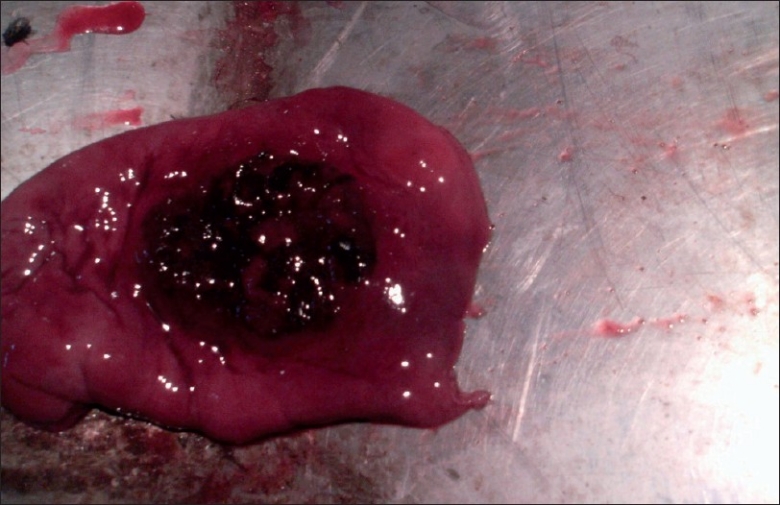
Gastric ulceration, a large reddish plaque-like growth with slightly raised outlines was appreciated besides congestion and thickening of wall of stomach
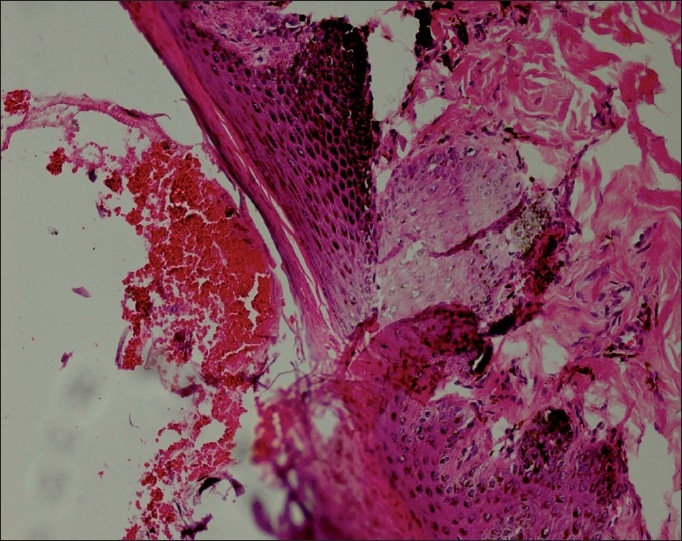
Cavernous hemangioma lesions attached to the nasal epithelium (H and E ×150)
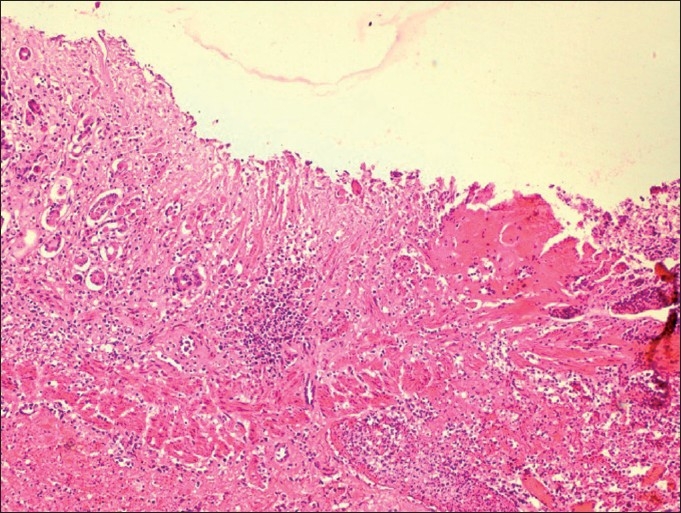
Chronic ulcerative gastritis revealed complete replacement of mucosal lining by large areas of necrotic debris and marked destruction of gastric glands, fibroplasia (H and E ×150)
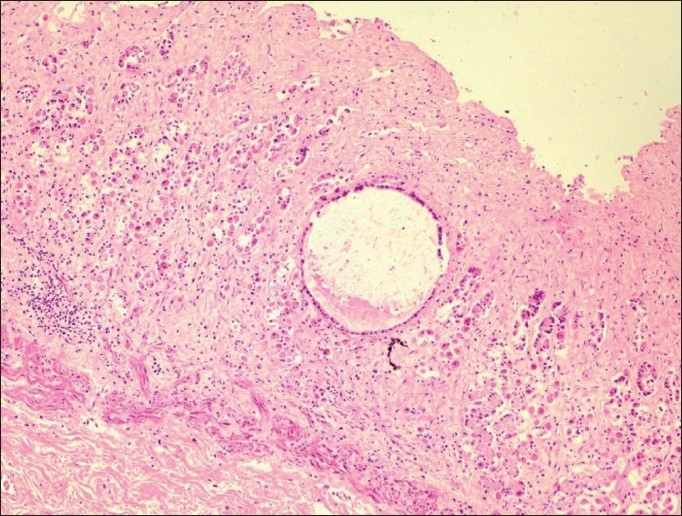
Chronic ulcerative gastritis with evidence of mucocele and with population of lymphomononuclear cells (H and E ×150)
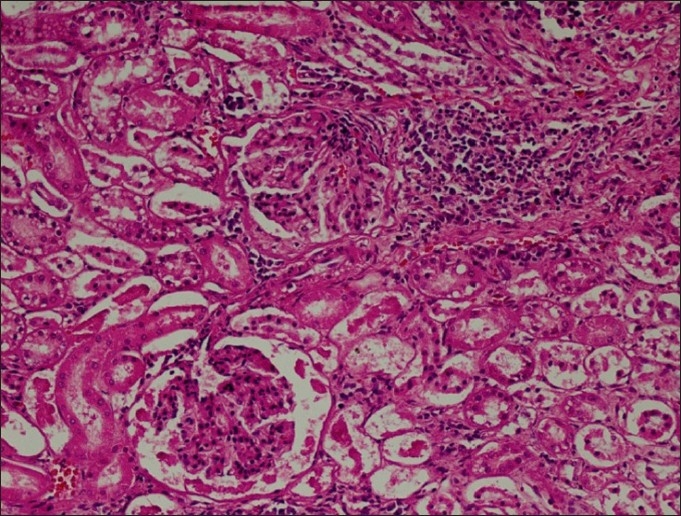
The kidney revealed marked interstitial nephritis featured with many areas of mononuclear cell infiltration
References
-
- McEwen EG, Withrow SJ, Patnaik AK. Nasal tumours in dogs: Retrospective evaluation of diagnosis, prognosis and treatment. J Am Vet Med Assoc. 1977;170:45–8. - PubMed
-
- Bukowski J, Wartenberg D, Goldschmidt M. Environmental causes for sinonasal cancers in pet dogs and their usefulness as sentinels of indoor cancer risk. J Toxicol Environ Health. 1998;54:579–91. - PubMed
-
- Schultheiss P. A retrospective study of visceral and nonvisceral hemangiosarcoma and hemangiomas in domestic animals. J Vet Diagn Invest. 2004;16:522–6. - PubMed
-
- Srebernik N, Appleby EC. Breed prevalence and sites of haemangioma and haemangiosarcoma in dogs. Vet Rec. 1991;129:408–9. - PubMed
-
- Ogunkoya AB, Adeyanju JB, Abduhllahi R. Experimental and clinical trials of long acting oxytetracycline in the treatment of canine ehrlichiosis. Vet Q. 1985;7:158–61. - PubMed
LinkOut - more resources
Full Text Sources